
With winter just around the corner, now is the perfect time to start thinking about how to manage your older horse. Winter can be a challenging season for any horse, but older horses often need a little extra care and attention. As horses age, they become less able to regulate their body temperature, maintain their bodyweight, move comfortably and cope with changes in their environment.
The good news is that a few simple adjustments to your winter management routine can make a significant difference in how your older horse copes this winter. Froom feeding and shelter to exercise and dental care, here are some practical ways to help your senior horse stay comfortable throughout the coming colder months.
Keep an Eye on Body Condition
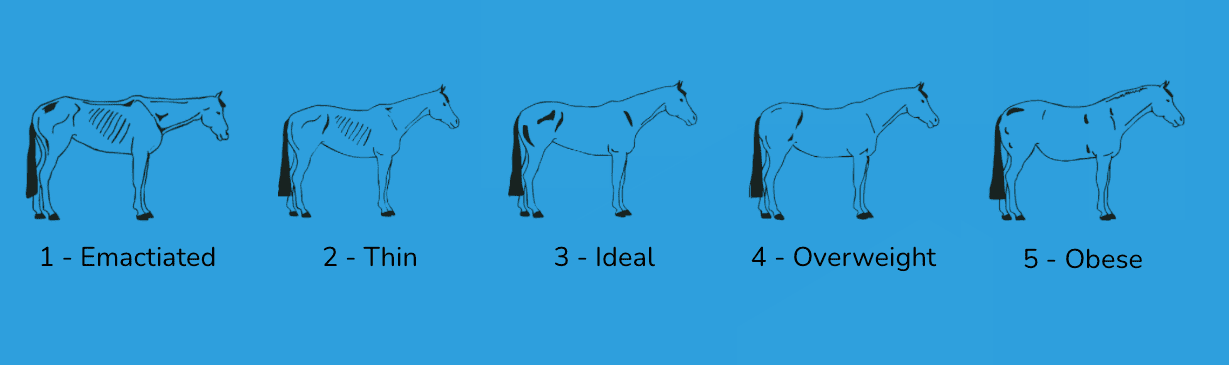
Older horses can lose weight surprisingly quickly during winter. Cold weather increases the energy they use to keep warm, while age-related changes can make it harder for them to maintain muscle and body condition.
Check your horse regularly by looking at and feeling their body rather than relying solely on appearance. Pay particular attention to the ribs, topline, hips and hindquarters.
If your horse is losing weight, speak to your vet or an equine nutritionist. Increasing forage intake and introducing an appropriate conditioning feed mat help, but any significant or unexplained weight loss should be investigated.
Make Forage a Priority
Forage is particularly important in winter. The process of eating and digesting fibre produces heat, helping horses stay warm from the inside.
Aim to provide plenty of good-quality hay or haylage, particularly when grazing is limited. Older horse with dental problems may struggle to chew long-stem forage, however, so they may need alternatives such as soaked fibre feeds or specially formulated senior diets (check out Pure Meadow Mash here: https://www.purefeed.com/product/pure-meadow-mash/).
Avoid making sudden changes to your horse’s diet. Introduce any new feed gradually to reduce the risk of digestive upset.
Don’t Overlook Dental Care
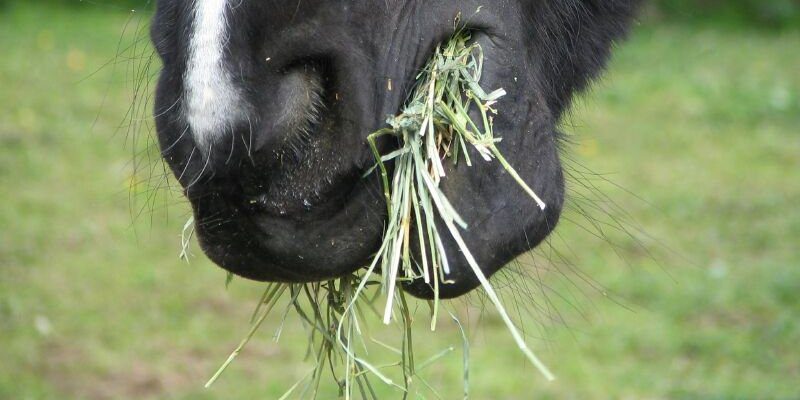
Dental problems become increasingly common as horses age. Worn, missing or painful teeth can make chewing hay difficult and may contribute to weight loss.
Signs that your older horse could be struggling include dropping partially chewed food (known as quidding), difficulty eating, excessive salivation or unexplained weight loss.
Regular dental examinations are important, and your vet or qualified equine dental professional can advise on an appropriate schedule for your horse.
Provide Adequate Shelter and Protection from the Weather
A good field shelter, stable, or other suitable protection from wind, rain and snow can make a big difference to an older horse.
Remember that staying dry is often just as important as staying warm. A wet coat loses much of its insulating ability, particularly when combined with cold winds.
Rugs can be useful for some senior horses, but there is no one-size-fits-all approach. Consider your horse’s age, body condition, coat, health, living arrangements and the weather when deciding whether to rug.
Check beneath the rug regularly to make sure your horse is neither too hot nor too cold, and make sure rugs fit correctly and remain dry.
Encourage Gentle, Regular Movement
Older horse may become stiff when they stand still for long periods, particularly in cold weather. Where appropriate, regular gentle movement can help maintain mobility and muscle condition.
This doesn’t necessarily mean strenuous exercise. Depending on your horse’s health and fitness, turnout, hand-walking or gentle ridden work may be suitable.
If your horse becomes noticeably stiffer, reluctant to move, lame or uncomfortable, don’t simply assume that it is a normal consequence of aging. Changes in movement can indicate arthritis or another underlying condition and should be discussed with your vet.
Pay Attention to their Feed
Winter conditions can create additional challenges for hoof health. Mud, standing water, ice and frozen ground can all affect an older horse’s comfort.
Pick out hooves regularly and arrange routine farriery or trimming according to your horse’s individual needs. Keep an eye out for cracks, thrush, bruising, abscesses or changes in the way your horse moves.
Frozen or uneven ground can be particularly uncomfortable for horses with arthritis, so consider providing access to areas with more forgiving footing where possible.
Make Sure Water is Always Available
Horses need access to clean, fresh water throughout winter. Some horses drink less when the weather is cold, which can increase the risk of dehydration and contribute to digestive problems.
Check water sources frequently to make sure they haven’t frozen and are clean. If your horse’s water intake changes noticeably, investigate why and speak to your vet if you are concerned.
Give Older Horses Extra Monitoring
Senior horses can sometimes deteriorate more quickly than younger horses, making regular observation particularly important.
During winter, monitor your horse’s:
- Bodyweight and condition
- Appetite and water intake
- Droppings
- Mobility and comfort
- Coat and skin condition
- Hooves
- Behaviour and general attitude
Keeping a simple weekly record can help you spot gradual changes that might otherwise go unnoticed.
Plan for Cold Snaps
Winter weather can change quickly, so it’s worth having a plan before temperatures drop.
Make sure you have sufficient forage and bedding, appropriate rugs if your horse needs them, access to unfrozen water and somewhere suitable for your horse to shelter. If your horse relies on medication or specialist feed, keep an adequate supply available.
It’s also sensible to think about what you would do if severe weather made normal routines difficult.
Remember that Every Older Horse is Different
Perhaps the most important thing to remember is that “senior” doesn’t automatically mean fragile. Some older horses remain active and healthy well into their twenties and beyond, while others require more intensive management much earlier. Your horse’s individual condition, health, teeth, mobility, environment and workload should all influence their winter routine.
A Little Extra Care Goes a Long Way
Winter management for an older horse is largely about anticipating their changing needs. Good-quality forage, appropriate shelter, regular movement, dental and hoof care, and close monitoring can all help your senior horse stay comfortable through the colder months.
Most importantly, don’t dismiss changes in weight, appetite, behaviour, or mobility as simply “getting old”. Early veterinary advice can help identify problems and keep your horse feeling their best for as long as possible.
For more information on feeding older horses in winter, take a look at the following links:
Body scoring: https://www.purefeed.com/2022/02/28/why-and-how-to-body-condition-score-your-horse/
Winter weight management: https://www.purefeed.com/2021/01/13/ensuring-your-horse-is-a-healthy-weight-this-winter/
Pure Veteran Mix: https://www.purefeed.com/product/pure-veteran-mix/
Pure Veteran Pellets: https://www.purefeed.com/product/pure-veteran-pellets/
For a free, personalised diet plan to help support your older horse this winter, please complete the following form and our nutrition team will be in touch: https://www.purefeed.com/diet-plan/