
FEED ADVICE – HEALTH
Youngstock Nutrition: A Comprehensive Guide
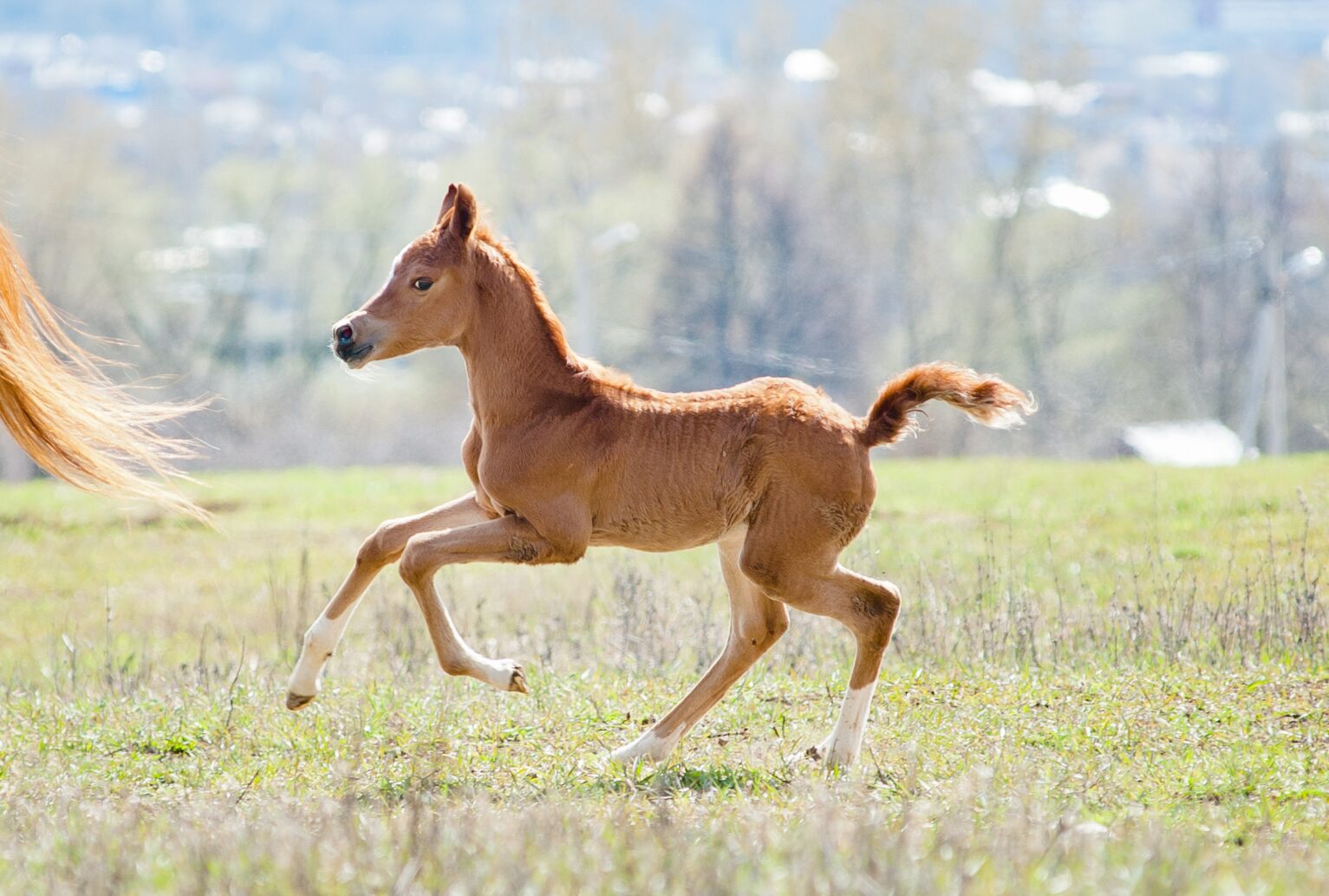
Selecting the correct youngstock feed is critical to supporting controlled growth, skeletal integrity, and long-term soundness in foals and yearlings. Nutrition during early life directly influences bone density, muscle development, and metabolic programming, with imbalances increasing the risk of developmental orthopaedic disease (DOD), including physitis and osteochondrosis.
A scientifically balanced approach to youngstock feeds focuses on optimising nutrient intake without promoting excessive growth rates, ensuring steady development and reducing physiological stress on immature skeletal structures.
Key Highlights
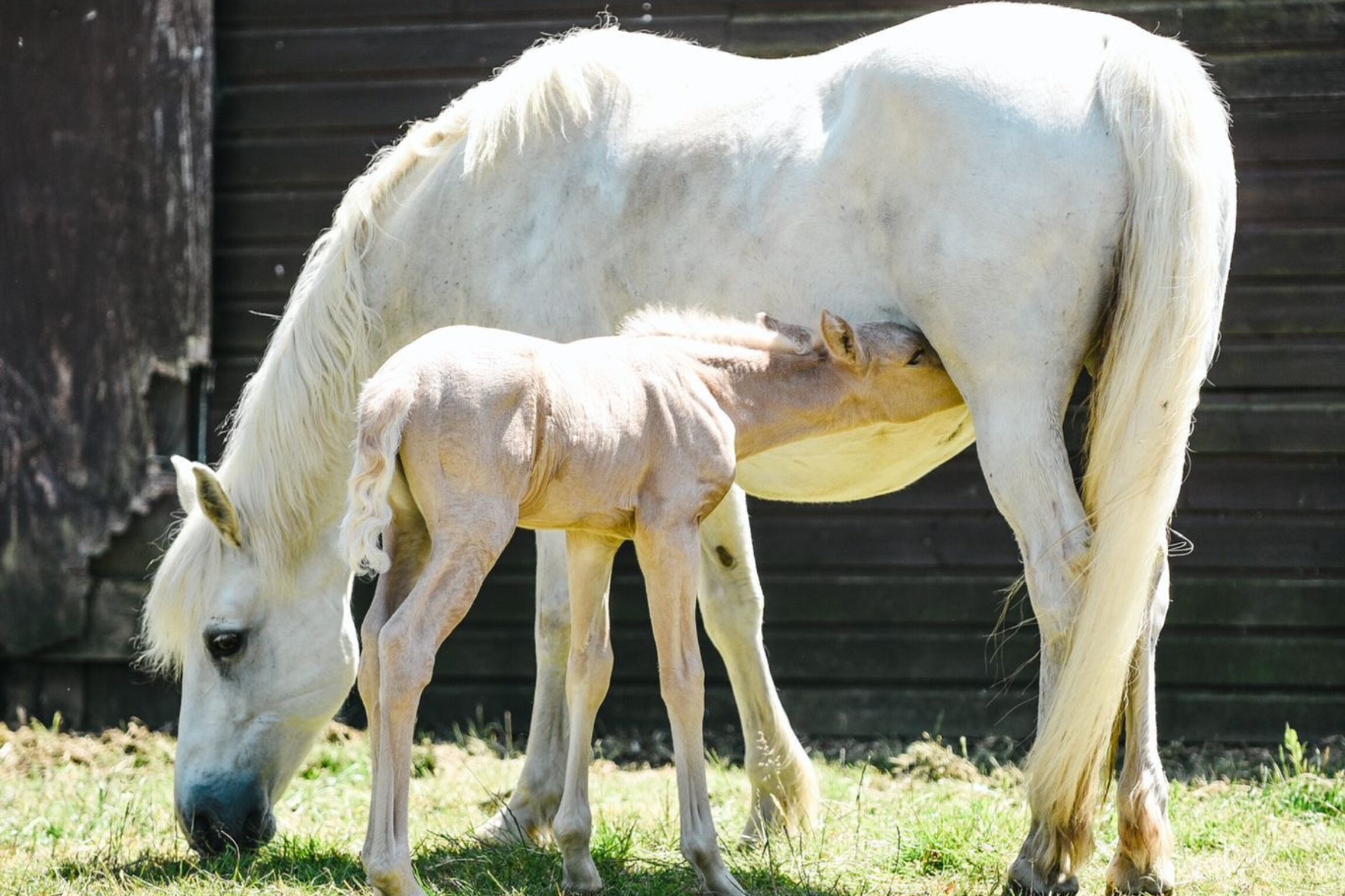
A youngstock is a young, growing horse, including foals, weanlings, and yearlings with elevated nutritional demands to support rapid and correct development
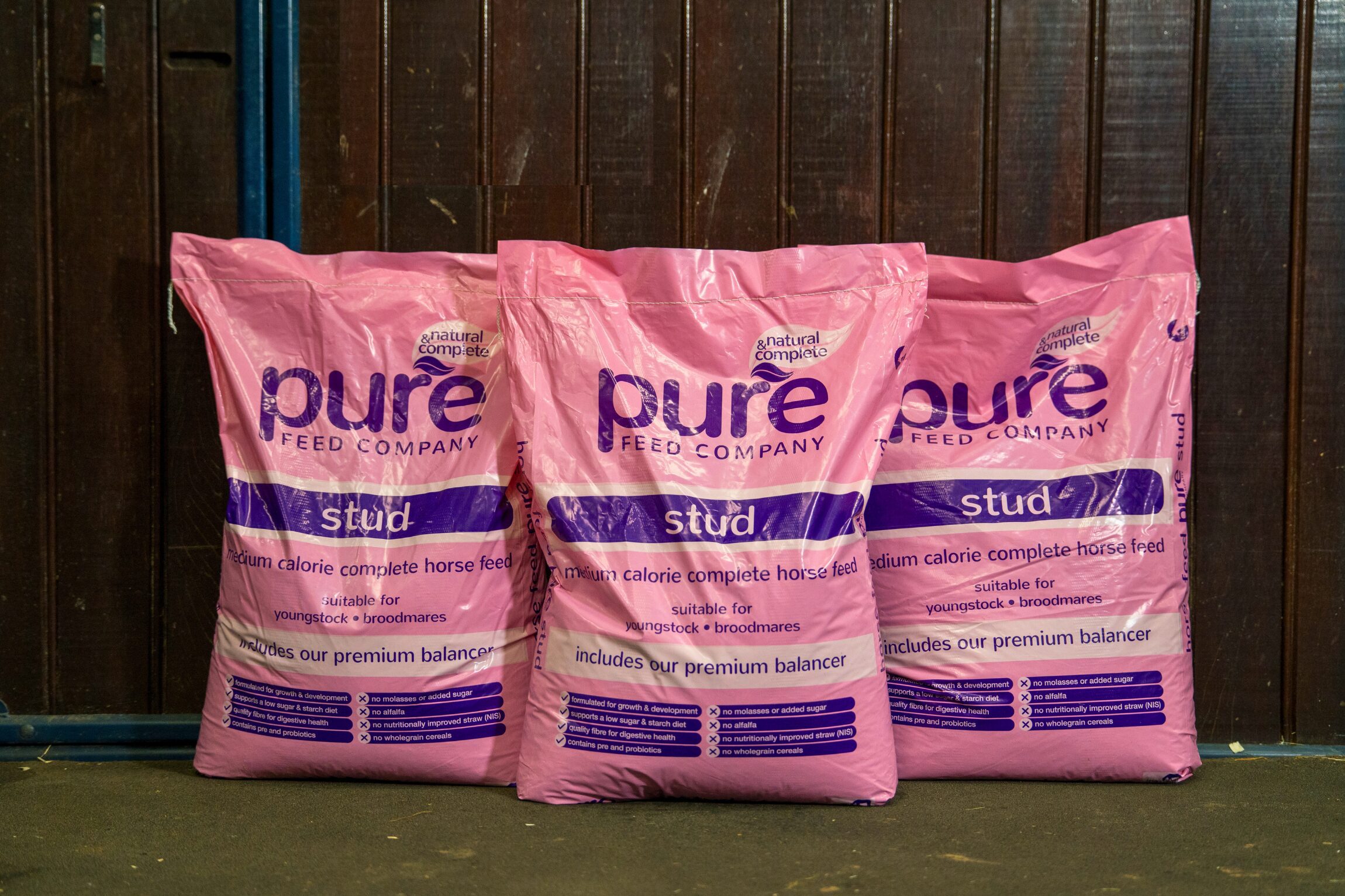
A youngstock feed is specifically formulated to meet these demands – providing controlled energy, high-quality protein, and balanced vitamins and minerals tailored to growth
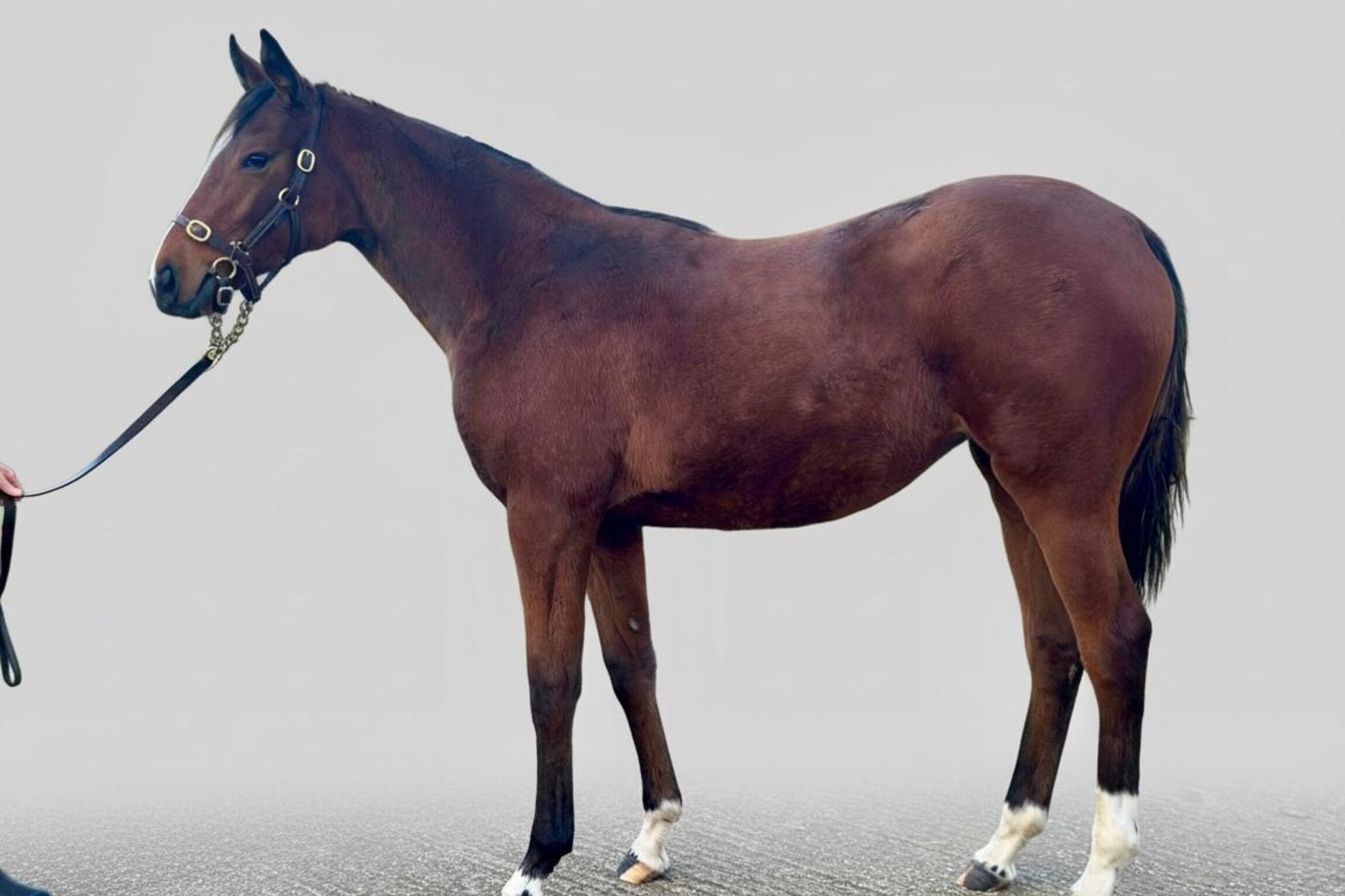
Key considerations for youngstock include managing growth rate, supplying bioavailable protein and essential amino acids, and maintaining correct calcium: phosphorus ratios alongside key trace minerals
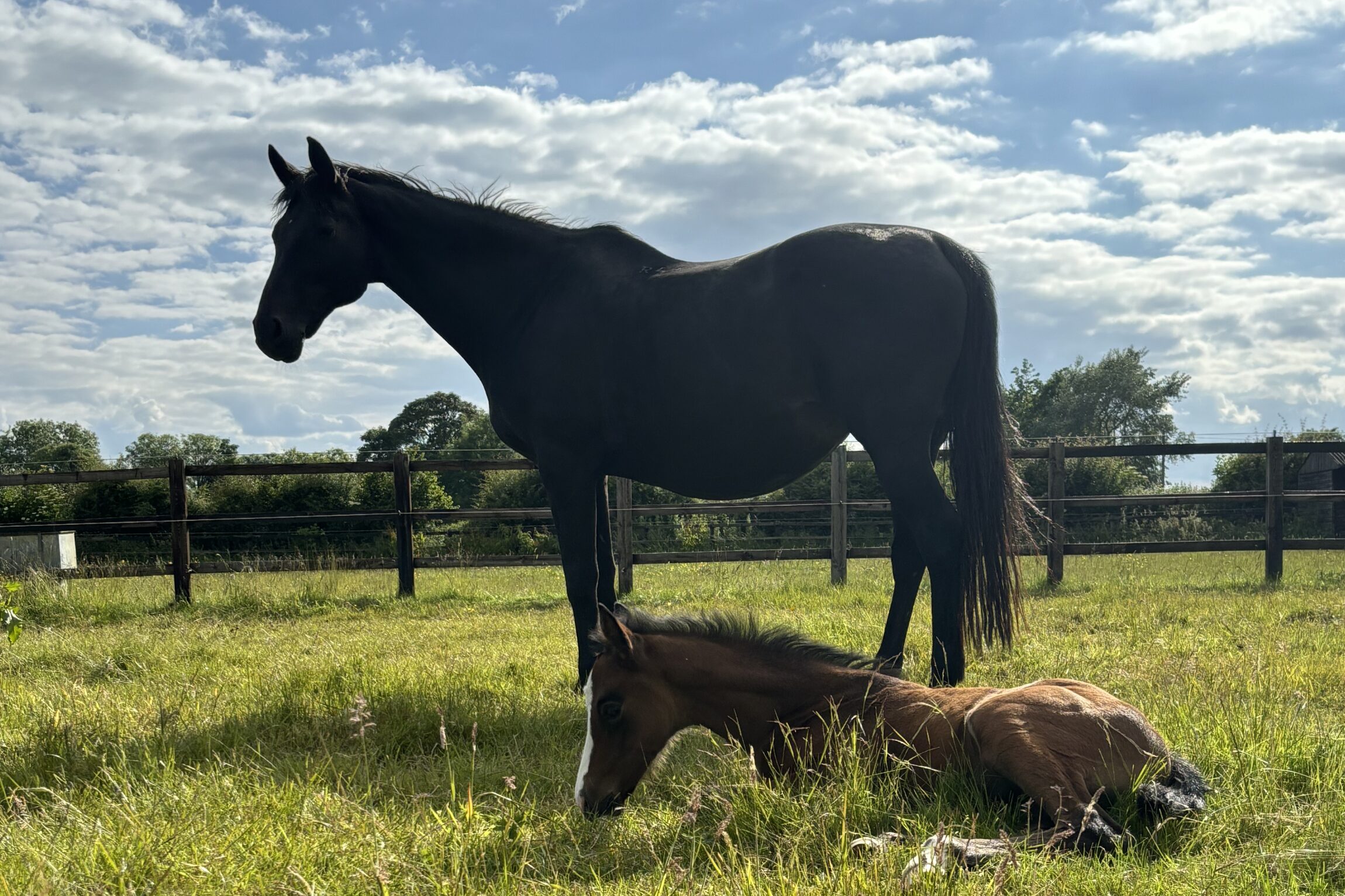
What Are Youngstock Feeds?
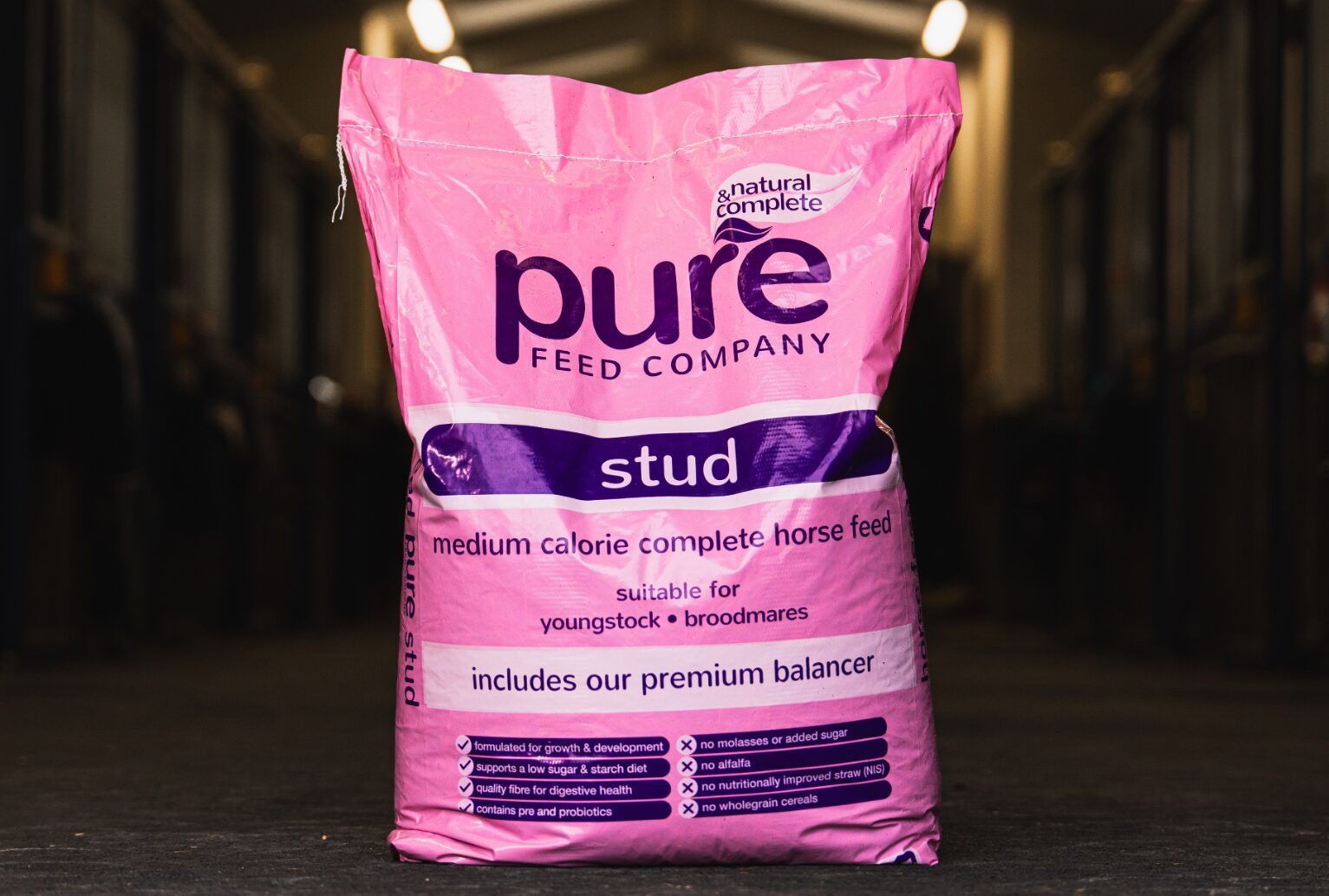
Youngstock or stud feeds are formulated to meet the precise nutritional requirements of growing horses, where demand for amino acids, minerals, and digestible energy differs significantly from that of mature horses.
Effective youngstock feeds must:
- Provide adequate but controlled digestible energy (DE)
- Deliver high-quality, bioavailable protein
- Maintain correct calcium: phosphorus ratios (typically 1.5–2:1)
- Supply essential trace minerals (copper, zinc, manganese) in bioavailable forms
- Support hindgut development and microbial stability
Nutritional Requirements of Growing Horses
Protein and Amino Acids
Protein quality is more critical than quantity in youngstock feeds. Lysine is the first limiting amino acid in equine diets and is essential for muscle protein synthesis and tissue development.
Deficiencies in lysine or overall protein quality can result in:
High-quality protein sources such as grass-based ingredients provide a more natural amino acid profile aligned with equine digestive physiology.
Pure Stud can contribute to youngstock diets by supplying quality protein alongside essential amino acids, supporting controlled growth and condition without excessive energy intake.
Energy Sources and Growth Regulation
Energy provision in youngstock feeds must be carefully controlled. Excessive digestible energy, particularly from high-starch and sugar sources, has been strongly associated with an increased incidence of DOD.
- Fibre (structural carbohydrates): Primary energy source, supporting hindgut fermentation and volatile fatty acid (VFA) production
- Fats: Provide energy density without increasing glycaemic response
- Starch and sugars (NSC): Should be minimised to avoid insulin spikes and altered cartilage development
Diets high in non-structural carbohydrates (NSC) can disrupt endochondral ossification, contributing to skeletal abnormalities. Therefore, youngstock feeds should prioritise low-starch, fibre-based energy systems.
Minerals and Skeletal Development
Correct mineral balance is fundamental in youngstock feeds, particularly for bone mineralisation and joint health.
Key considerations include:
Calcium & Phosphorus: Essential for bone formation; imbalances can impair skeletal development
Copper: Critical for collagen cross-linking and cartilage integrity; deficiency is linked to osteochondrosis
Zinc & Manganese: Support bone density and enzyme function
Oversupplementation or incorrect ratios can be just as detrimental as deficiencies, highlighting the importance of a balanced, formulated feed rather than ad hoc supplementation.
Digestive Development and Gut Health
In young horses, the hindgut microbiome is still maturing, making digestive stability a critical consideration when formulating youngstock feeds. A well-established microbial population is essential for fermenting fibre into volatile fatty acids (VFAs), which provide a steady source of energy and support overall metabolic health.
Fibre intake encourages microbial colonisation and stabilises fermentation, promoting gut maturation and preventing rapid fluctuations in pH that can lead to hindgut acidosis.
Prebiotics and probiotics help maintain a balanced microbial population, enhancing nutrient absorption, improving immune function, and reducing the risk of digestive disturbances during periods of growth or dietary transition.
Abrupt dietary changes or high-starch feeds can destabilise the hindgut environment, leading to dysbiosis, colic, diarrhoea, and inefficient nutrient utilisation, all of which can negatively impact growth and overall health.
Feeds within the Pure Feed Complete range are specifically designed to support digestive health during critical growth phases, incorporating pre- and probiotics alongside fibre-rich ingredients. This combination encourages stable microbial communities, enhances nutrient uptake, and helps youngstock achieve steady, healthy growth without compromising gut integrity.
Risks of High Sugar and Starch Diets in Youngstock
Feeding high levels of sugar and starch is one of the most significant nutritional risks for growing horses. Diets high in non-structural carbohydrates (NSC) can cause rapid spikes in blood glucose and post-prandial insulin, which not only affects metabolic stability but also interferes with normal cartilage and bone development. Excessive insulin and glucose can disrupt the endochondral ossification process, increasing the risk of developmental orthopaedic diseases (DOD) such as physitis and osteochondrosis. High-NSC diets can also contribute to digestive upset, including hindgut acidosis, and may promote excitability or behavioural issues due to rapid energy fluctuations.
Because of these risks, youngstock feeds should be carefully formulated with controlled starch and sugar levels, relying primarily on fibre and fats as the main energy sources. Fibre supports stable, slow-release energy through hindgut fermentation, while fats provide dense energy without the rapid glycaemic spikes associated with high-NSC feeds, helping to maintain steady growth, skeletal integrity, and a calm, healthy temperament.
Key Components of Youngstock Feeds
Grass chaff: Provides long fibre to support gut motility and microbiome development, essential for young horses’ digestion and nutrient absorption. Slow-fermenting fibre helps prevent colic and maintains a steady energy supply.
Vitamin E & Selenium: Crucial antioxidants that protect cells from oxidative damage during rapid growth. Selenium supports muscle function and immune health, while vitamin E works synergistically to maintain healthy tissues and immunity.
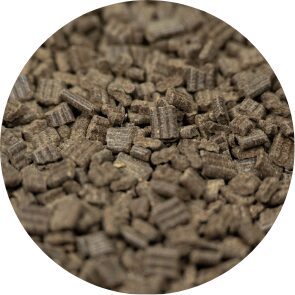
Linseed: A source of omega-3 fatty acids, which are essential for brain development, anti-inflammatory processes, and skin/coat health. Also contributes a modest amount of digestible energy.
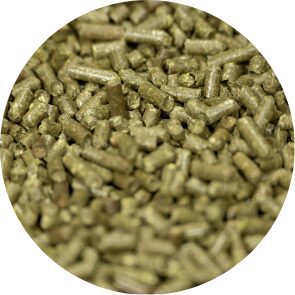
Grass Pellets: A concentrated fibre source that is palatable and easily digested, helping meet daily fibre requirements without excess bulk. Supports gut health and provides some slow-release energy for growth.
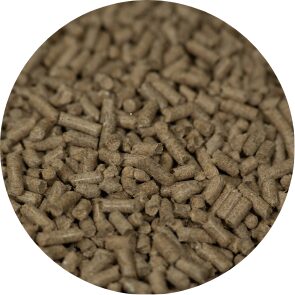
Balancers: Ensure youngstock receive all essential vitamins and minerals (calcium, phosphorus, trace elements) in the correct ratios, supporting bone growth, joint development, and metabolic functions.
Feeding Management Strategies for Youngstock
Promote steady growth rates: Avoid rapid weight gain or excessive condition
Prioritise fibre-based diets: Support gut health and metabolic stability
Minimise starch intake: Reduce risk of DOD and metabolic disruption
Use balanced feeds: Select youngstock feeds that provide integrated nutrition rather than relying on multiple supplements
Monitor body condition and development: Adjust feeding rates based on growth stage and workload
Conclusion
Feeding young horses requires a precise and scientifically informed approach. The correct youngstock feeds support controlled growth, skeletal integrity, and long-term soundness, while reducing the risk of developmental disorders associated with nutritional imbalances.
By prioritising fibre-based energy sources, high-quality protein, and correctly balanced minerals, breeders can ensure optimal development. Carefully formulated feeds such as Pure Stud and the Pure Feed Complete range provide a practical, all-in-one solution, delivering consistent nutrition while avoiding the risks associated with high sugar and starch diets.
Establishing correct nutrition during early life stages is one of the most important factors in producing healthy, resilient, and high-performing horses.
What we recommend for youngstock:
Made in the UK
We are proud to say that all of our feeds are produced here in the UK
FREE Shipping
We offer FREE SHIPPING for all orders in the UK with 15 bags and over*
Sustainable
We are dedicated to playing our part in making the world more sustainable

100% Natural
We use high-quality ingredients and no unnecessary additives.
Thousands of people love our feeds

If you’ve ever owned a good-doer, you’ll know… they don’t miss a meal. Not ever.
Spring grass comes through, the sun appears, and suddenly, what should be a simple turnout becomes a stressful balancing act.
For some, that starts with a muzzle. Not to restrict completely, but to slow things down – turning every bite into a more considered mouthful.
For others, it’s strip grazing. Walking the fence line forward inch by inch, controlling access to fresh grass and keeping intake steady rather than excessive.
Then there’s hay, soaked to reduce sugar levels, making it a safer, more suitable forage option when you need to take the edge off.
Some horses thrive in dry paddocks, where grass intake is minimal but movement and turnout are still part of their routine. Others benefit from a little more time stabled, where you can fully manage what goes in and when.
All of these approaches share the same underlying principle: restriction. You’re limiting intake to manage weight, sugar exposure, and overall health. But it’s easy to forget what else gets restricted at the same time. When you reduce grass, soak hay, or limit access to forage, you’re not just cutting calories and sugars, you’re also reducing the intake of essential vitamins, minerals, and amino acids that your horse would naturally pick up throughout the day.
Over time, that gap can start to show. Hoof quality, coat condition, muscle maintenance, even energy levels and recovery, they’re all influenced by those nutrients that are no longer consistently coming in. This is where a low calorie balancer, like Pure Balance comes in. It`s job is to fill in these nutrition gaps and help provide your horse with everything they need, in a low calorie format 🩵
If you’ve ever owned a good-doer, you’ll know… they don’t miss a meal. Not ever.
Spring grass comes through, the sun appears, and suddenly, what should be a simple turnout becomes a stressful balancing act.
For some, that starts with a muzzle. Not to restrict completely, but to slow things down – turning every bite into a more considered mouthful.
For others, it’s strip grazing. Walking the fence line forward inch by inch, controlling access to fresh grass and keeping intake steady rather than excessive.
Then there’s hay, soaked to reduce sugar levels, making it a safer, more suitable forage option when you need to take the edge off.
Some horses thrive in dry paddocks, where grass intake is minimal but movement and turnout are still part of their routine. Others benefit from a little more time stabled, where you can fully manage what goes in and when.
All of these approaches share the same underlying principle: restriction. You’re limiting intake to manage weight, sugar exposure, and overall health. But it’s easy to forget what else gets restricted at the same time. When you reduce grass, soak hay, or limit access to forage, you’re not just cutting calories and sugars, you’re also reducing the intake of essential vitamins, minerals, and amino acids that your horse would naturally pick up throughout the day.
Over time, that gap can start to show. Hoof quality, coat condition, muscle maintenance, even energy levels and recovery, they’re all influenced by those nutrients that are no longer consistently coming in. This is where a low calorie balancer, like Pure Balance comes in. It`s job is to fill in these nutrition gaps and help provide your horse with everything they need, in a low calorie format 🩵
✨ Pure Fibre Balance - high-fibre, low-calorie feed for good doers! ✨
Combines our premium balancer pellets (vitamins, minerals, pre/probiotics, biotin, amino acids, salt) with low-calorie chaff for extra fibre to provide steady, slow-release energy (no fizz) = ideal for good doers & laminitis-prone horses
🚫 Cereal & molasses free, no preservatives – all the nutrition, none of the empty calories 🩵
✨ Pure Fibre Balance - high-fibre, low-calorie feed for good doers! ✨
Combines our premium balancer pellets (vitamins, minerals, pre/probiotics, biotin, amino acids, salt) with low-calorie chaff for extra fibre to provide steady, slow-release energy (no fizz) = ideal for good doers & laminitis-prone horses
🚫 Cereal & molasses free, no preservatives – all the nutrition, none of the empty calories 🩵
A good session doesn’t end when you untack.
Work takes more out of your horse than you can always see: fluid loss through sweat, muscles under strain, and a digestive system that’s more sensitive post-exercise.
That’s where Refuel comes in.
Supporting faster muscle recovery, replenishing electrolytes for effective hydration, and formulated to be gut safe, it helps your horse recover properly 🩵
A good session doesn’t end when you untack.
Work takes more out of your horse than you can always see: fluid loss through sweat, muscles under strain, and a digestive system that’s more sensitive post-exercise.
That’s where Refuel comes in.
Supporting faster muscle recovery, replenishing electrolytes for effective hydration, and formulated to be gut safe, it helps your horse recover properly 🩵
Both Fibre Balance and Easy are part of our low calorie range but which suits your horse?
Pure Fibre Balance is built for good-doers who don’t need extra energy - low calorie, high fibre, fully balanced, and ideal for those in light work or at maintenance. It is like feeding a full cup of balancer with a handful of chaff. Everything your horse needs in one measured portion: high fibre, low sugar and starch, perfectly balanced.
Pure Easy uses the same ingredients, but served at a higher rate – more fibre, more slow-release energy, without adding extra sugar or starch. It’s the choice for horses that need extra bulk and sustained energy, while staying completely balanced and gut-friendly.
Not sure which would be best for your horse? Comment `DIET PLAN` to recieve a link to our diet plan 🩵
Both Fibre Balance and Easy are part of our low calorie range but which suits your horse?
Pure Fibre Balance is built for good-doers who don’t need extra energy - low calorie, high fibre, fully balanced, and ideal for those in light work or at maintenance. It is like feeding a full cup of balancer with a handful of chaff. Everything your horse needs in one measured portion: high fibre, low sugar and starch, perfectly balanced.
Pure Easy uses the same ingredients, but served at a higher rate – more fibre, more slow-release energy, without adding extra sugar or starch. It’s the choice for horses that need extra bulk and sustained energy, while staying completely balanced and gut-friendly.
Not sure which would be best for your horse? Comment `DIET PLAN` to recieve a link to our diet plan 🩵
Different workloads, different grazing, different quirks that make “one size fits all” feeding… not quite fit at all. That’s usually where the questions start.
"Am I feeding too much? Not enough? The right balance?"
Our diet plan service takes the guesswork out of it. A quick, simple form, reviewed by our nutritionists, and within a day, you’ve got a plan built specifically for your horse – their needs, their lifestyle, their routine.
👉 Comment `DIET PLAN` to find out more 🩵
Different workloads, different grazing, different quirks that make “one size fits all” feeding… not quite fit at all. That’s usually where the questions start.
"Am I feeding too much? Not enough? The right balance?"
Our diet plan service takes the guesswork out of it. A quick, simple form, reviewed by our nutritionists, and within a day, you’ve got a plan built specifically for your horse – their needs, their lifestyle, their routine.
👉 Comment `DIET PLAN` to find out more 🩵
Keep your good doers in top condition without overloading them with calories! 🌿🐴
Pure Easy is a low-calorie, low sugar and starch feed designed specifically for horses that gain weight easily. Despite the lower calories, it provides steady, slow-release energy from high-quality fibre and superfibre sources, perfect for horses in light to medium work.
It also contains a built-in balancer packed with essential vitamins, minerals, pre- & probiotics to support the gut microbiome, biotin for strong hooves, key amino acids for muscle maintenance, and added salt to help hydration.
This carefully formulated feed lets you give your horse the energy they need to perform, without risking excess weight gain , all in one simple, easy feed! 🩵
Keep your good doers in top condition without overloading them with calories! 🌿🐴
Pure Easy is a low-calorie, low sugar and starch feed designed specifically for horses that gain weight easily. Despite the lower calories, it provides steady, slow-release energy from high-quality fibre and superfibre sources, perfect for horses in light to medium work.
It also contains a built-in balancer packed with essential vitamins, minerals, pre- & probiotics to support the gut microbiome, biotin for strong hooves, key amino acids for muscle maintenance, and added salt to help hydration.
This carefully formulated feed lets you give your horse the energy they need to perform, without risking excess weight gain , all in one simple, easy feed! 🩵
Did you know Vitamin E, or Tocopheryl, is crucial for your horse’s overall health? All Pure Complete feeds include it in our balancer, ensuring your horse gets the benefits every day:
👉 Protects cells from oxidative stress – helping to neutralise free radicals.
👉 Supports muscle function and recovery – essential for exercise and stamina.
👉 Maintains a normal immune system – keeping your horse strong and resilient.
Including Vitamin E in every feed means your horse receives targeted antioxidant support alongside all the vitamins, minerals, and nutrients in our balancer. Perfect for keeping horses happy and performing at their best! 🌿
Did you know Vitamin E, or Tocopheryl, is crucial for your horse’s overall health? All Pure Complete feeds include it in our balancer, ensuring your horse gets the benefits every day:
👉 Protects cells from oxidative stress – helping to neutralise free radicals.
👉 Supports muscle function and recovery – essential for exercise and stamina.
👉 Maintains a normal immune system – keeping your horse strong and resilient.
Including Vitamin E in every feed means your horse receives targeted antioxidant support alongside all the vitamins, minerals, and nutrients in our balancer. Perfect for keeping horses happy and performing at their best! 🌿
Refuel comes with a splash zone warning!
A recovery mash horses just can`t get enough of! Packed with electrolytes, antioxidants and amino acids, Refuel works hard to keep your horse in tip top shape!
We would love to see a photo of your horse after a bowl of Refuel, drop them in the comments below 👇
Refuel comes with a splash zone warning!
A recovery mash horses just can`t get enough of! Packed with electrolytes, antioxidants and amino acids, Refuel works hard to keep your horse in tip top shape!
We would love to see a photo of your horse after a bowl of Refuel, drop them in the comments below 👇
Body condition scoring… we talk about it a lot, but what does it actually look like in practice? 👀
It’s not about one quick glance or a number on a chart, it’s about building a picture, piece by piece, of how your horse is carrying condition.
1. Start at the topline.
Run your hand along the back: are the vertebrae sharp and visible, or is there a smooth, even covering? Ideally, you’re looking for a soft, rounded feel without a crease forming down the spine, which can indicate excess fat.
2.Then move to the neck and shoulders.
This is where fat can start to deposit quite early. A cresty neck or filling in front of the shoulder can be a sign your horse is carrying more condition than they need, particularly in native types or good doers. It’s also an important area to monitor for metabolic health.
3. Next, the ribs.
You shouldn’t necessarily see them, but you should be able to feel them easily. If they’re hard to find, it’s often a sign condition is creeping up. If they’re too prominent, it may indicate your horse needs more support nutritionally.
4. Then the hindquarters.
Look at the shape; are they rounded and filled, or more angular? Fat tends to sit around the tail head and quarters, so this area gives a good indication of overall energy balance.
And finally and most importantly, monitor over time.
Body condition scoring isn’t a one-off check. Horses change with the seasons, workload, and diet. What matters is spotting those small changes early, before they become bigger issues. Because when you understand where and how your horse carries condition, you’re in a much better position to feed for them, not just follow a generic plan.
Not sure what you’re feeling for? We’re always happy to help 👇
Body condition scoring… we talk about it a lot, but what does it actually look like in practice? 👀
It’s not about one quick glance or a number on a chart, it’s about building a picture, piece by piece, of how your horse is carrying condition.
1. Start at the topline.
Run your hand along the back: are the vertebrae sharp and visible, or is there a smooth, even covering? Ideally, you’re looking for a soft, rounded feel without a crease forming down the spine, which can indicate excess fat.
2.Then move to the neck and shoulders.
This is where fat can start to deposit quite early. A cresty neck or filling in front of the shoulder can be a sign your horse is carrying more condition than they need, particularly in native types or good doers. It’s also an important area to monitor for metabolic health.
3. Next, the ribs.
You shouldn’t necessarily see them, but you should be able to feel them easily. If they’re hard to find, it’s often a sign condition is creeping up. If they’re too prominent, it may indicate your horse needs more support nutritionally.
4. Then the hindquarters.
Look at the shape; are they rounded and filled, or more angular? Fat tends to sit around the tail head and quarters, so this area gives a good indication of overall energy balance.
And finally and most importantly, monitor over time.
Body condition scoring isn’t a one-off check. Horses change with the seasons, workload, and diet. What matters is spotting those small changes early, before they become bigger issues. Because when you understand where and how your horse carries condition, you’re in a much better position to feed for them, not just follow a generic plan.
Not sure what you’re feeling for? We’re always happy to help 👇
In the UK, it’s estimated that 1 in 10 horses will experience a laminitis episode every year; that’s around 96,000 cases annually.
And right now, in April, we’re entering one of the highest-risk periods of the year.
As grass growth accelerates with longer days and fluctuating temperatures, levels of non-structural carbohydrates (NSCs), particularly sugars like fructans, can rise significantly. Cool nights followed by bright, sunny days are the perfect conditions for these sugar levels to spike, increasing the risk for horses, especially those with underlying insulin dysregulation.
Laminitis is now widely recognised as a complex, endocrine-driven disease, where elevated insulin levels can directly compromise the lamellar structures within the hoof. This weakens the bond between the hoof wall and pedal bone, and once damage begins, it can progress quickly, leading to chronic pain, mechanical failure, and in severe cases, irreversible collapse.
It’s for this reason that laminitis remains one of the leading causes of death in horses in the UK, with many cases ending in euthanasia on welfare grounds.
From a nutritional perspective, prevention at this time of year is critical. It’s not just about restricting grazing, but about taking a proactive, whole-diet approach:
• Managing total NSC intake across forage and feed
• Supporting hindgut function and fibre digestion
• Avoiding sudden dietary changes
• Maintaining a normal body condition and metabolic balance
At Pure Feed, we’re proud that our feeds are formulated to be suitable for horses with laminitis; carefully designed to be low in sugar and starch, high in fibre, and supportive of normal metabolic function, helping you manage risk without compromising on nutrition.
If you’re unsure whether your horse’s diet is appropriate for this time of year, our team is always here to help; comment below, DM us or give our team a call on 01458 333333 🩵
In the UK, it’s estimated that 1 in 10 horses will experience a laminitis episode every year; that’s around 96,000 cases annually.
And right now, in April, we’re entering one of the highest-risk periods of the year.
As grass growth accelerates with longer days and fluctuating temperatures, levels of non-structural carbohydrates (NSCs), particularly sugars like fructans, can rise significantly. Cool nights followed by bright, sunny days are the perfect conditions for these sugar levels to spike, increasing the risk for horses, especially those with underlying insulin dysregulation.
Laminitis is now widely recognised as a complex, endocrine-driven disease, where elevated insulin levels can directly compromise the lamellar structures within the hoof. This weakens the bond between the hoof wall and pedal bone, and once damage begins, it can progress quickly, leading to chronic pain, mechanical failure, and in severe cases, irreversible collapse.
It’s for this reason that laminitis remains one of the leading causes of death in horses in the UK, with many cases ending in euthanasia on welfare grounds.
From a nutritional perspective, prevention at this time of year is critical. It’s not just about restricting grazing, but about taking a proactive, whole-diet approach:
• Managing total NSC intake across forage and feed
• Supporting hindgut function and fibre digestion
• Avoiding sudden dietary changes
• Maintaining a normal body condition and metabolic balance
At Pure Feed, we’re proud that our feeds are formulated to be suitable for horses with laminitis; carefully designed to be low in sugar and starch, high in fibre, and supportive of normal metabolic function, helping you manage risk without compromising on nutrition.
If you’re unsure whether your horse’s diet is appropriate for this time of year, our team is always here to help; comment below, DM us or give our team a call on 01458 333333 🩵
Did you know we use linseed in all of our feeds? Linseed is a powerhouse ingredient that brings multiple benefits to every feed. Here’s why we use it in all Pure Feed products:
1️⃣ Natural binder: Linseed contains mucilage, a sticky soluble fibre that binds feed pellets together naturally. This eliminates the need for molasses, so we can produce stable, consistent pellets without added sugar. For horses, this means better metabolic health and reduced risk of sugar-related issues.
2️⃣ Rich in Omega-3 fatty acids: Linseed provides essential fatty acids that support skin, coat, joint, and heart health, while also helping to maintain a normal inflammatory balance.
3️⃣ Gut-friendly fibre: The soluble fibre in linseed acts as a prebiotic, supporting beneficial gut microbes and improving nutrient absorption.
By using linseed instead of molasses, we combine function, nutrition, and safety, creating a feed that’s not only easier to handle and more palatable but also better for your horse’s long-term wellbeing!
Did you know we use linseed in all of our feeds? Linseed is a powerhouse ingredient that brings multiple benefits to every feed. Here’s why we use it in all Pure Feed products:
1️⃣ Natural binder: Linseed contains mucilage, a sticky soluble fibre that binds feed pellets together naturally. This eliminates the need for molasses, so we can produce stable, consistent pellets without added sugar. For horses, this means better metabolic health and reduced risk of sugar-related issues.
2️⃣ Rich in Omega-3 fatty acids: Linseed provides essential fatty acids that support skin, coat, joint, and heart health, while also helping to maintain a normal inflammatory balance.
3️⃣ Gut-friendly fibre: The soluble fibre in linseed acts as a prebiotic, supporting beneficial gut microbes and improving nutrient absorption.
By using linseed instead of molasses, we combine function, nutrition, and safety, creating a feed that’s not only easier to handle and more palatable but also better for your horse’s long-term wellbeing!
Feeding shouldn’t feel like a shopping list that never ends.
With many traditional feeding setups, you’re layering product after product: a base mix, a balancer, added oil, digestive support, biotin, muscle support… the list goes on. Not only is this way of feeding complicated, but it’s also easy to overdo or miss key nutrients.
We do things differently.
Pure Feed is designed to deliver everything your horse needs in one bag, combining high-quality fibre, essential vitamins and minerals, oils, and functional ingredients to support digestion, condition, and overall health.
That’s 6+ nutritional products, working together in a balanced way. No guesswork, no over-supplementing, no complicated routines.
Just a simpler, more effective way to feed.
Feeding shouldn’t feel like a shopping list that never ends.
With many traditional feeding setups, you’re layering product after product: a base mix, a balancer, added oil, digestive support, biotin, muscle support… the list goes on. Not only is this way of feeding complicated, but it’s also easy to overdo or miss key nutrients.
We do things differently.
Pure Feed is designed to deliver everything your horse needs in one bag, combining high-quality fibre, essential vitamins and minerals, oils, and functional ingredients to support digestion, condition, and overall health.
That’s 6+ nutritional products, working together in a balanced way. No guesswork, no over-supplementing, no complicated routines.
Just a simpler, more effective way to feed.
Ever wondered why a horse can seem fine on one day of spring grazing, but at risk the next? The answer lies in the grass itself.
In the early morning, grass sugar levels are at their lowest; the plant has used stored energy overnight. By the afternoon, sunlight drives photosynthesis, and sugar levels can spike dramatically. Young, lush spring grass is even trickier: rapid growth plus changing sunlight and rainfall means sugar levels can swing from low to dangerously high in a matter of hours.
For laminitis-prone horses, these swings matter. Sudden spikes in blood glucose trigger insulin surges, which can stress the sensitive tissues in the hoof and spark laminitis episodes. It’s not just about what your horse eats, but when and under what conditions the grass grows.
What you can do: Monitor your field, watch the weather, and consider timing and duration of grazing. Understanding these natural sugar fluctuations is one of the most effective ways to protect hoof health!
Ever wondered why a horse can seem fine on one day of spring grazing, but at risk the next? The answer lies in the grass itself.
In the early morning, grass sugar levels are at their lowest; the plant has used stored energy overnight. By the afternoon, sunlight drives photosynthesis, and sugar levels can spike dramatically. Young, lush spring grass is even trickier: rapid growth plus changing sunlight and rainfall means sugar levels can swing from low to dangerously high in a matter of hours.
For laminitis-prone horses, these swings matter. Sudden spikes in blood glucose trigger insulin surges, which can stress the sensitive tissues in the hoof and spark laminitis episodes. It’s not just about what your horse eats, but when and under what conditions the grass grows.
What you can do: Monitor your field, watch the weather, and consider timing and duration of grazing. Understanding these natural sugar fluctuations is one of the most effective ways to protect hoof health!
We’ve seen a few posts lately saying straw shouldn’t be fed to horses… and it’s left a lot of people second-guessing what they’re doing.
But straw isn’t some new or risky trend; it’s actually been used for years, and for good reason.
Quite simply, straw is very low in calories but still provides fibre. That makes it really useful for horses that hold weight easily, need their intake controlled, or are on restricted diets. By adding straw into a forage ration, you can bulk it out without piling in extra energy and calories.
It also takes horses longer to chew. That means more time eating, more saliva production, and a more natural, trickle-feeding pattern, all of which support digestive health and help prevent long periods without forage.
That’s why you’ll often see straw used alongside hay or haylage, rather than instead of it. It helps slow things down and stretch the ration out.
Of course, it’s not for every horse. It needs to be good quality, introduced gradually, and fed appropriately. But when it’s used correctly, it’s a really practical add in to your horse`s diet.
If you’re not sure whether straw has a place in your horse’s diet, just ask 👇
We’ve seen a few posts lately saying straw shouldn’t be fed to horses… and it’s left a lot of people second-guessing what they’re doing.
But straw isn’t some new or risky trend; it’s actually been used for years, and for good reason.
Quite simply, straw is very low in calories but still provides fibre. That makes it really useful for horses that hold weight easily, need their intake controlled, or are on restricted diets. By adding straw into a forage ration, you can bulk it out without piling in extra energy and calories.
It also takes horses longer to chew. That means more time eating, more saliva production, and a more natural, trickle-feeding pattern, all of which support digestive health and help prevent long periods without forage.
That’s why you’ll often see straw used alongside hay or haylage, rather than instead of it. It helps slow things down and stretch the ration out.
Of course, it’s not for every horse. It needs to be good quality, introduced gradually, and fed appropriately. But when it’s used correctly, it’s a really practical add in to your horse`s diet.
If you’re not sure whether straw has a place in your horse’s diet, just ask 👇
Looking after a laminitis-prone horse? All of the Pure Feed range (except Pure Performance) are suitable, but these are the ones we love most:
✨ Balance – low-calorie, molasses and cereal-free balancer.
✨ Fibre Balance – delivers our balancer and low-calorie chaff in a smaller ration.
✨ Easy – low-calorie, slow-release energy ideal for horses in light to medium work.
✨ Herbal Treats – a tasty, natural way to reward your horse, free from molasses and cereal!
Keep your horse comfortable, happy, and supported with our laminitis-friendly favourites 🩵
Looking after a laminitis-prone horse? All of the Pure Feed range (except Pure Performance) are suitable, but these are the ones we love most:
✨ Balance – low-calorie, molasses and cereal-free balancer.
✨ Fibre Balance – delivers our balancer and low-calorie chaff in a smaller ration.
✨ Easy – low-calorie, slow-release energy ideal for horses in light to medium work.
✨ Herbal Treats – a tasty, natural way to reward your horse, free from molasses and cereal!
Keep your horse comfortable, happy, and supported with our laminitis-friendly favourites 🩵
✨ Switching to Pure Feed couldn’t be easier! Follow these simple steps to get your horse thriving on a gut-friendly, stress-free feeding plan 🐴💛
Step-by-Step Guide:
1️⃣ Fill out our diet plan to discover which Pure Feed product is perfect for your horse.
2️⃣ Use the stockist map to find your nearest retailer.
3️⃣ Pick up your first bag of Pure Feed.
4️⃣ Transition slowly: gradually reduce your current feed while increasing Pure Feed over 7–10 days.
5️⃣ Watch your horse thrive on a diet that supports their gut and overall well-being!
💡 Tip: Keep an eye on their weight and behaviour during the transition
Ready to make feeding simple and stress-free? Tap the link in bio to start your horse’s Pure Feed journey today!
✨ Switching to Pure Feed couldn’t be easier! Follow these simple steps to get your horse thriving on a gut-friendly, stress-free feeding plan 🐴💛
Step-by-Step Guide:
1️⃣ Fill out our diet plan to discover which Pure Feed product is perfect for your horse.
2️⃣ Use the stockist map to find your nearest retailer.
3️⃣ Pick up your first bag of Pure Feed.
4️⃣ Transition slowly: gradually reduce your current feed while increasing Pure Feed over 7–10 days.
5️⃣ Watch your horse thrive on a diet that supports their gut and overall well-being!
💡 Tip: Keep an eye on their weight and behaviour during the transition
Ready to make feeding simple and stress-free? Tap the link in bio to start your horse’s Pure Feed journey today!
Meet the core of the Pure Feed range. Three feeds formulated to suit each calorie requirement.
💚 Pure Easy – Perfect for horses that maintain weight easily, this feed provides all the essential nutrients without excess energy. Ideal for horses in light work or those prone to weight gain.
💙 Pure Working – Designed for horses in regular work, this feed delivers steady energy and complete nutrition. With a balanced protein and fibre profile, it supports condition and sustained energy for consistent performance without overloading on calories.
💛 Pure Condition – Ideal for horses who need extra calorie support, this feed provides slow-release energy sources to support stamina, explosive power, and recovery. Perfect for competition horses, heavy work, or those needing to gain and maintain condition efficiently.
Together, these three cover most everyday feeding needs, making it easy to choose the right feed for your horse’s lifestyle 🐎
Meet the core of the Pure Feed range. Three feeds formulated to suit each calorie requirement.
💚 Pure Easy – Perfect for horses that maintain weight easily, this feed provides all the essential nutrients without excess energy. Ideal for horses in light work or those prone to weight gain.
💙 Pure Working – Designed for horses in regular work, this feed delivers steady energy and complete nutrition. With a balanced protein and fibre profile, it supports condition and sustained energy for consistent performance without overloading on calories.
💛 Pure Condition – Ideal for horses who need extra calorie support, this feed provides slow-release energy sources to support stamina, explosive power, and recovery. Perfect for competition horses, heavy work, or those needing to gain and maintain condition efficiently.
Together, these three cover most everyday feeding needs, making it easy to choose the right feed for your horse’s lifestyle 🐎
Myth: “Ulcers only affect racehorses or horses in heavy work.”
Fact: Gastric ulcers are very common, especially in performance horses. Studies show:
• Up to 80–100% of racehorses in training may have ulcers
• Around 40–60% of competition or performance horses
• Even some leisure horses are affected, around 30–40% in surveys
Ulcers often develop not just from workload, but from long gaps without forage, sudden diet changes, stress, and travel. Many horses show subtle signs rather than obvious discomfort, such as an inconsistent appetite, grumpiness, girth sensitivity, or changes in performance.
✨ Key takeaway: Ulcers are common, but not inevitable. Thoughtful feeding and management can reduce the risk and a support long-term normal gastric enviroment.
📩 If you’re unsure how to support your horse’s digestive health, our team can help build a feeding plan tailored to their needs
Myth: “Ulcers only affect racehorses or horses in heavy work.”
Fact: Gastric ulcers are very common, especially in performance horses. Studies show:
• Up to 80–100% of racehorses in training may have ulcers
• Around 40–60% of competition or performance horses
• Even some leisure horses are affected, around 30–40% in surveys
Ulcers often develop not just from workload, but from long gaps without forage, sudden diet changes, stress, and travel. Many horses show subtle signs rather than obvious discomfort, such as an inconsistent appetite, grumpiness, girth sensitivity, or changes in performance.
✨ Key takeaway: Ulcers are common, but not inevitable. Thoughtful feeding and management can reduce the risk and a support long-term normal gastric enviroment.
📩 If you’re unsure how to support your horse’s digestive health, our team can help build a feeding plan tailored to their needs