FEED ADVICE – HEALTH
Optimal Cushing’s Management: Essential Tips
Cushing’s disease, also known as pituitary pars intermedia dysfunction (PPID) is the most common hormonal disorder in horses. While all horse breeds can be affected, native breeds may be more prone, as well as older horses.
The condition involves an overgrowth in the pituitary gland’s pars intermedia at the base of the brain. This region of the pituitary gland produces hormones that play a crucial role in regulating various bodily functions. This growth leads to an overproduction of adrenocorticotropic hormone (ACTH), which in turn stimulates the adrenal gland to produce excessive amounts of cortisol. Symptoms include abnormal hair growth, chronic infections, laminitis, excessive sweating, increased drinking and urination, weight loss, lethargy, and muscle loss. Other signs may include abnormal fat deposits, reproductive issues in mares, abnormal mammary gland development, and ligament degeneration.
Key Highlights

Cushing’s disease, also known as pituitary pars intermedia dysfunction (PPID), is a common endocrine disorder.

It primarily effects older horses over the age of 15, and is most commonly seen in native breeds such as Welsh and Dartmoor ponies.

Clinical signs include delayed sheeding, abnormal fat deposits and muscle loss.
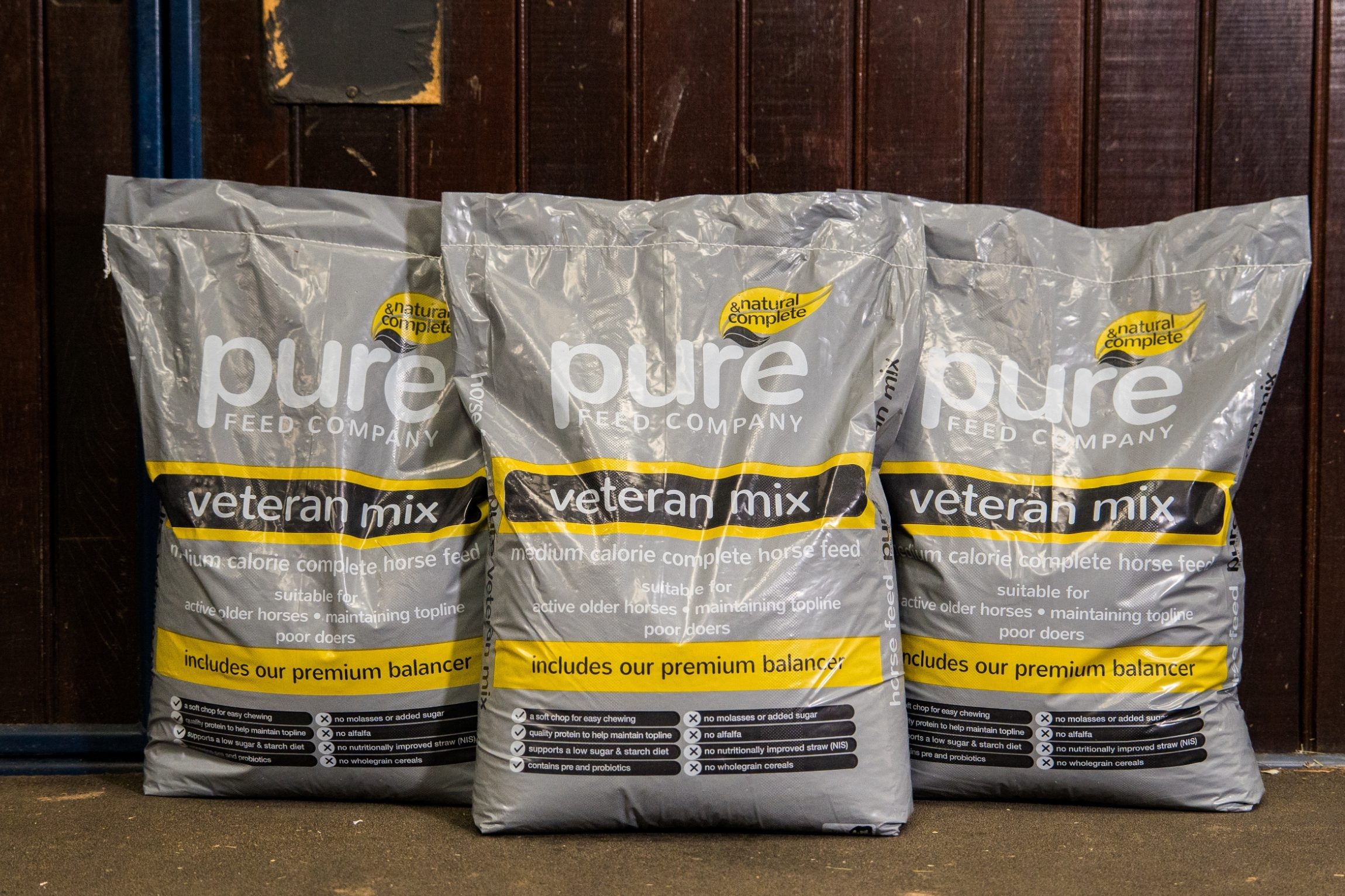
Treatment options include medications and dietaty management.
Understanding Cushing’s
Cushing’s disease, or PPID (Pituitary Pars Intermedia Dysfunction), occurs when part of the brain’s pituitary gland – the pars intermedia – stops working properly. This gland normally helps regulate hormones that control many of the body’s vital functions.
In horses with Cushing’s, the pars intermedia becomes overactive, usually due to a benign tumour or age-related degeneration. This causes the gland to release too much of a hormone called ACTH (adrenocorticotropic hormone). ACTH then overstimulates the adrenal glands, leading them to produce excessive cortisol – the hormone often referred to as the body’s natural “stress hormone”.
Chronically high cortisol levels can affect nearly every system in the horse’s body. Common signs include a long, curly coat that doesn’t shed properly, weight and muscle loss, increased drinking and urination, laminitis, lowered immunity, and recurring infections. Left unmanaged, these clinical signs can have a serious impact on the horse’s well-being.
Clinical Signs
Identifying the early warning signs and symptoms of Cushing’s disease is crucial for early detection and management of the condition. While the clinical signs can vary, there are several key indicators that horse owners should be aware of.
Physical Changes Seen with Cushing’s
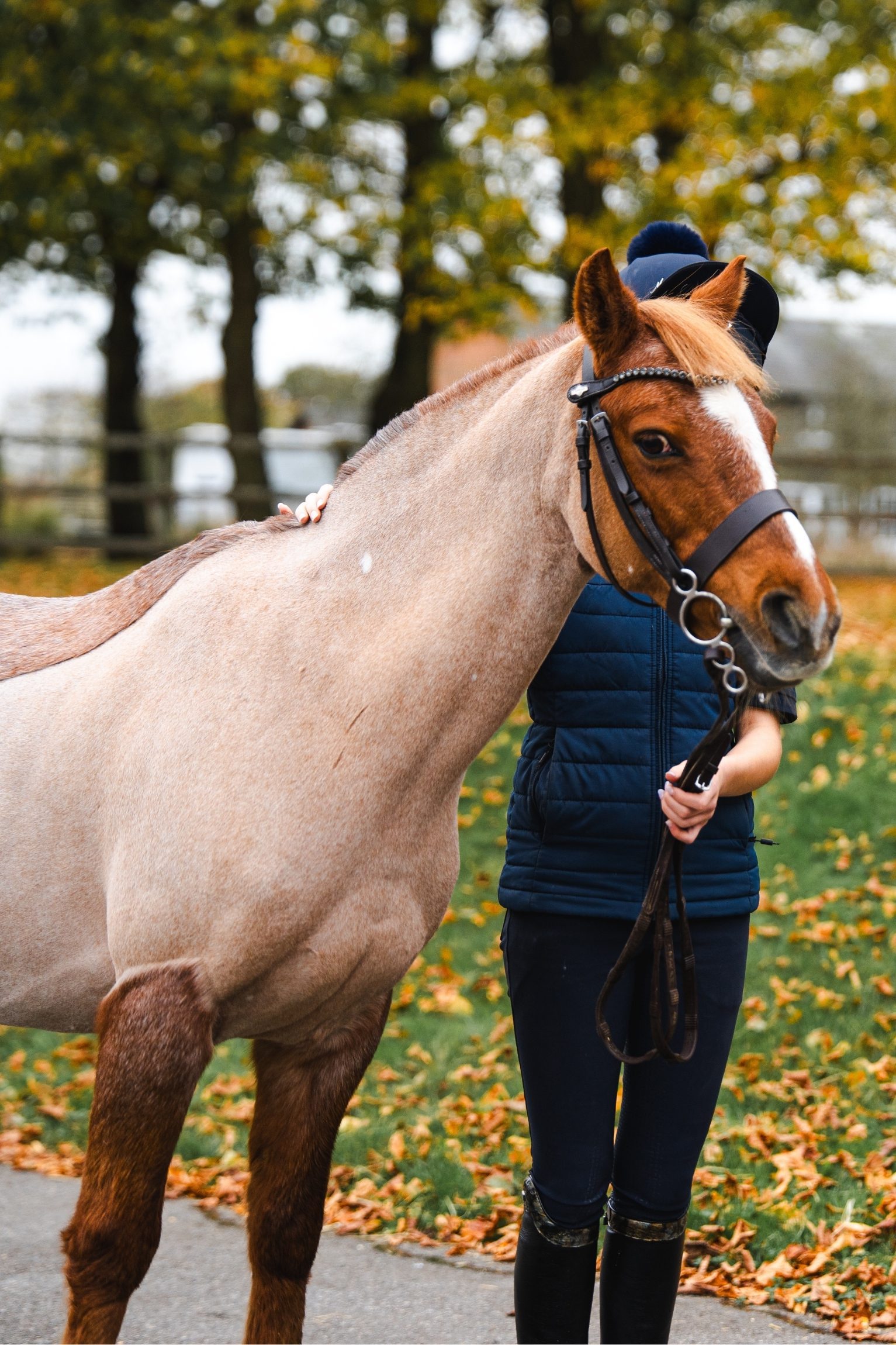
Horses affected by PPID exhibit several distinct clinical features. Abnormal hair growth, known as hirsutism, is commonly seen along the crest of the neck, shoulders, and tail head. In advanced stages, Cushing’s can cause progressive muscle wastage and a loss of musculature along the topline, resulting in a pot-bellied appearance and reduced exercise tolerance. Laminitis, characterised by foot tenderness, lameness, and a characteristic stance, is a recurring issue in horses with PPID, complicating their management. Additionally, PPID compromises the immune system, making affected horses more susceptible to infections, delayed wound healing, and heightened vulnerability to parasitic infestations.
Behavioural Changes seen with Cushing’s
In addition to physical changes, horses with Cushing’s disease often show behavioural alterations that can significantly affect their quality of life and performance. These changes can be subtle but are important to recognise:
Horses may exhibit changes in temperament, becoming more irritable, lethargic, or showing mood swings. This can impact their interaction with handlers and overall behaviour.
Additionally, Cushing’s disease can lead to a decline in energy levels and athletic performance, affecting the horse’s ability to perform tasks or participate in activities as they normally would.
Polyuria (excessive urination) and polydipsia (excessive drinking) are frequent signs, indicating disruptions in fluid and electrolyte balance due to hormonal imbalances.

Diagnosis of Cushing’s
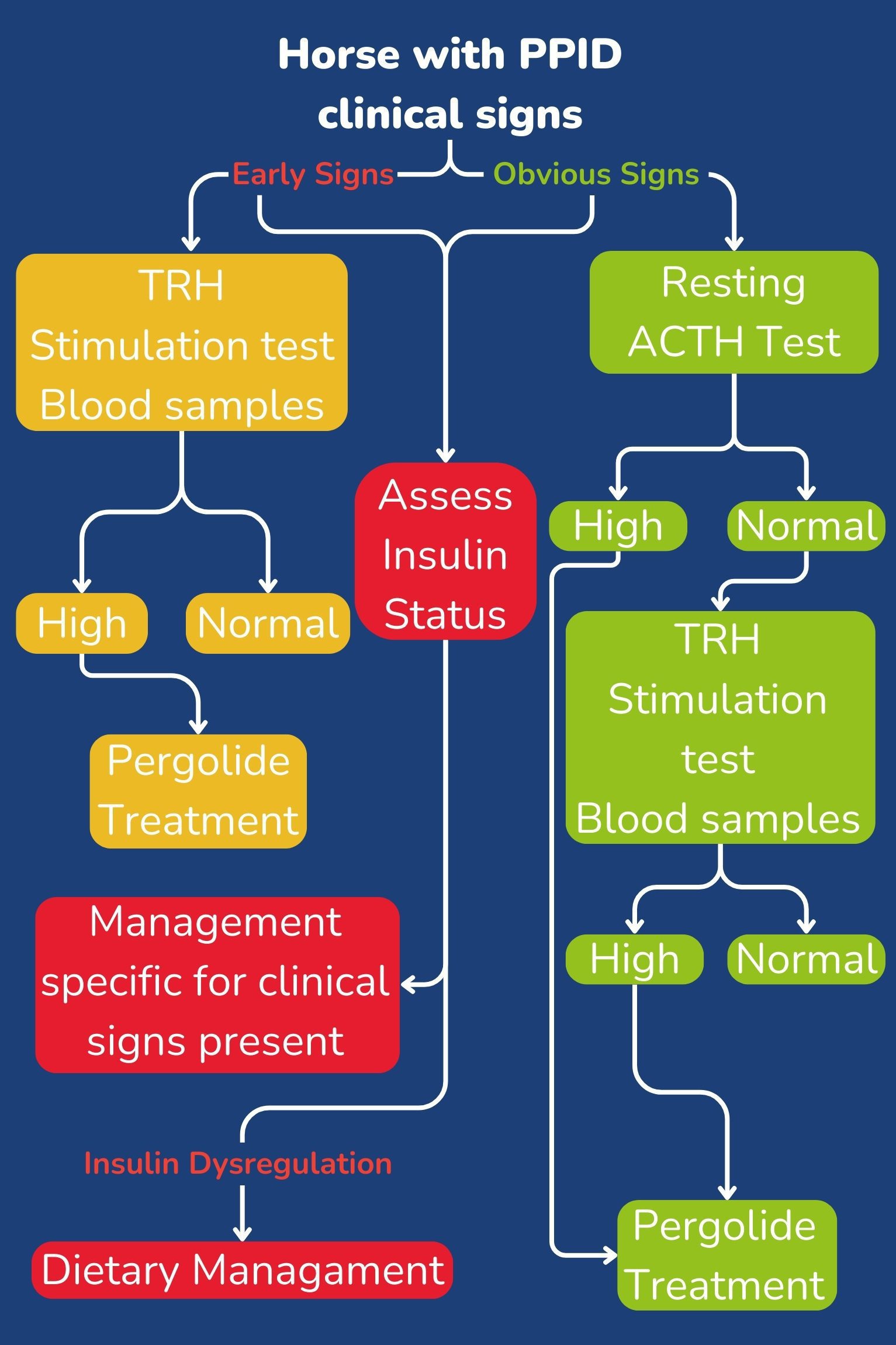
Accurate diagnosis of Cushing’s disease in horses involves a combination of diagnostic approaches. These approaches help assess the horse’s hormone levels and detect any abnormalities associated with the condition.
Diagnostic testing for Cushing’s disease typically includes:
These diagnostic approaches provide valuable information for accurately diagnosing Cushing’s disease in horses and determining the most appropriate treatment strategies.
In addition to blood tests, imaging techniques can be used to confirm the diagnosis of Cushing’s disease in horses. These techniques help visualise the pituitary gland and detect any abnormalities associated with the condition.
One imaging technique commonly used is magnetic resonance imaging (MRI). MRI provides detailed images of the pituitary gland, allowing veterinarians to identify any growth or abnormality in the region of the pituitary gland affected by Cushing’s disease.
Imaging techniques, combined with blood tests and other diagnostic approaches, provide a comprehensive evaluation of the horse’s condition. They help confirm the diagnosis of Cushing’s disease and guide veterinarians in developing an appropriate treatment plan.
Treating a Horse with Cushing’s
Treatment for Cushing’s disease in horses primarily involves medication aimed at regulating hormone levels.
One of the most prescribed medications is pergolide. Pergolide works by suppressing the production of adrenocorticotropic hormone (ACTH) and cortisol. Typically administered orally in tablet form of varying strengths, pergolide requires careful monitoring of hormone levels and clinical signs to gauge its effectiveness. Vets often recommend periodic retesting of ACTH levels after initiating treatment and at regular intervals thereafter to assess the horse’s response and adjust the treatment plan as needed. This monitoring ensures optimal management of the condition and supports the horse’s ongoing health.
Dietary Managment for Cushings Disease
Dietary management and environmental adjustments play a crucial role in managing Cushing’s disease in horses. These strategies help support the horse’s overall health and well-being and minimise the impact of the condition.
A low-starch, high-fibre diet is essential, as it helps prevent glucose spikes and reduces the likelihood of insulin dysregulation and laminitis. High-quality forage forms the cornerstone of their nutrition, providing vital nutrients while promoting gastrointestinal health and supporting optimal metabolic function. Supplementing with essential vitamins and minerals such as vitamin E, selenium, and magnesium addresses common deficiencies in PPID-affected horses, supporting overall health and immune function. Hydration management is also vital, ensuring PPID horses, especially those prone to polyuria and dehydration, have continuous access to clean, fresh water. These dietary and management practices are integral to maintaining the well-being and quality of life of horses with PPID.
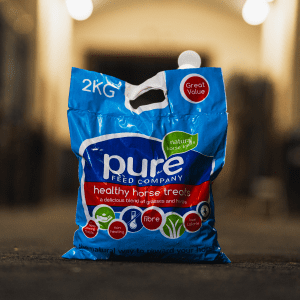
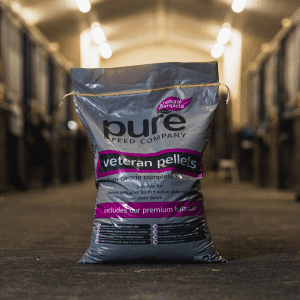
Did you know the majority of the Pure Feed range is suitable for horses with Cushings? We specialise in low sugar and starch, high fibre feeds, fortified with vitamins and minerals to help address the common deficiencies.
Consider limiting field access during periods of high sugar content. These sugars are naturally present in grasses and can vary depending on factors such as species, time of day, weather conditions, and growth stage.
During certain periods like spring, grass tends to accumulate higher levels of sugar due to factors such as cooler temperatures and increased sunlight. This rapid growth phase, often seen in lush, young grass shoots, can lead to higher concentrations of sugars. In some cases, particularly in certain grass species or under specific environmental conditions, the accumulation of sugars can exceed what is normal for horses to efficiently process. Ideally during this period, horses should have restricted grazing time, or wear a muzzle to limit grass intake.
Conclusion
In conclusion, Cushing’s disease presents a significant challenge in health management. This hormonal disorder impacts horses of various breeds, particularly older individuals, and manifests through a range of clinical signs. Early detection, regular vet checkups, medication and correct diet can help horses with Cushing’s disease live a normal life. Due to the prevalence of Cushing’s, there is continual research and advancement in treatment options offer a more optimistic outlook for horses.
What we recommend for horses with Cushings
Made in the UK
We are proud to say that all of our feeds are produced here in the UK
FREE Shipping
We offer FREE SHIPPING for all orders in the UK with 15 bags and over*
Sustainable
We are dedicated to playing our part in making the world more sustainable

100% Natural
We use high-quality ingredients and no unnecessary additives.
Thousands of people love our feeds

Horse owners spend a lot of time trying to fill nutritional gaps:
✅ A supplement for this.
✅ A powder for that.
✅ An extra scoop of something else.
But what if there weren`t any gaps to fill?
At Pure Feed, every complete feed is formulated to provide the vitamins, minerals, amino acids, fibre, gut support and slow-release energy your horse needs, all in one feed 🩵
Most performance feeds rely on one energy source.
Pure Performance uses two.
⚡ Bruised oats provide readily available energy for horses that need power, responsiveness and athletic output.
🌱 Oil and superfibres provide slower-release energy to help support stamina, condition and endurance throughout the session.
The result?
Energy for the jump-off.
Stamina for the last fence.
Condition to keep going all season.
That`s why Pure Performance is the only feed in our range to contain cereals; carefully combined with fibre, oil, prebiotics, probiotics and live yeast to support digestive health alongside performance 🩵
Horse nutrition has become surprisingly complicated, and somehow we`re still left wondering if we`ve missed something.
At Pure Feed, we started with a different question:
**What if one feed could do the whole job?**
Every complete feed is built around the fundamentals of equine nutrition:
🌱 A high-fibre foundation for digestive health
🧬 Quality protein to support topline and muscle function
⚖️ Balanced vitamins and minerals for everyday health
⚡ Premium oil sources for slow-release energy
🦠 Gut and hoof support built in as standard
No nutritional gaps.
No complicated feeding plans.
No guesswork.
Just confidence that every feed is helping your horse get what they need 🩵
Most horse owners think about gut health when there`s a problem, but a healthy hindgut influences far more than digestion alone.
In fact, around 80% of the immune system is associated with the gut, and the hindgut is home to trillions of microorganisms that help break down fibre, produce energy and support normal immune function.
That`s why gut health can have a knock-on effect on:
🛡️ Immunity
🥕 Nutrient absorption
🌱 Condition
⚡ Performance
💪 Recovery
🧠 Behaviour
The challenge is that modern horses face plenty of pressures that can disrupt the hindgut environment; from travel and competition schedules to changes in grazing, forage quality and routine.
That`s why gut support isn`t an add-on at Pure Feed, it`s built into every complete feed through:
✔️ Prebiotics
✔️ Probiotics
✔️ Live yeast
✔️ High-quality fibre sources
Want to start feeding Pure, but not sure where to start? Comment down below to recieve a link to our diet plan service 🔗🩵
The biggest summer feeding mistake? 👉 Assuming that because a horse is gaining weight, they`re getting everything they need. 🌱
Grass is brilliant at supplying calories, but calories aren`t the same as nutrition.
In fact, summer grazing can often be:
☀️ High in energy
⚖️ Low in certain minerals
🧬 Variable in quality protein
🦠 Missing the gut support that many horses benefit from
That`s why it`s not unusual to see horses carrying plenty of condition whilst still struggling with things like topline, hoof quality, recovery or overall performance.
The goal isn`t necessarily to feed *more*, it`s to make sure what`s missing gets replaced.
That`s why every Pure Feed complete feed contains vitamins & minerals, amino acids, pre & probiotics, fibre, salt and oil-based slow-release energy, all in one feed!
Me during the heatwave: "Drink."
My horse: "No."
Me: "DRINK."
My horse: "No."
Me: makes a bucket of Refuel
My horse: "Well, why didn`t you say so " 🍒
"I can`t believe how good my horse feels."
Not sharper.
Not stronger.
Not more explosive.
Just more consistent.
More consistent energy.
More consistent focus.
More consistent condition.
Because for most horses, performance isn`t limited by a lack of energy 👉 it`s limited by how efficiently that energy is supplied and utilised.
That`s why Pure Feed uses fibre and oil as the foundation of its feeding philosophy, supporting horses that can work, perform and recover without the highs and lows often associated with traditional high-starch diets 🩵
Most feed rooms get more and more complicated.
A balancer, chaff, nuts, supplements, gut products, a hoof supplement, oils, and even more!
Before long, you`re feeding half a dozen products just to create a balanced diet.
At Pure Feed, we took a different approach.
What if the feed already contained everything most horses need?
That`s why every Pure Feed complete feed contains:
✔️ Vitamins & minerals
✔️ Pre & probiotics
✔️ Amino acids
✔️ Biotin
✔️ Salt
✔️ Fibre
✔️ Oil for slow-release energy
All combined into one simple feeding system.
And because we believe horses thrive on fibre-based nutrition, our feeds are free from:
✖️ Molasses
✖️ Alfalfa
✖️ Soya
✖️ Wholegrain cereals
✖️ Artificial mould inhibitors
The result?
Less time worrying about what`s missing from the diet. More time enjoying your horse 🩵
"He`s living out on good grass, so he doesn`t need any feed."
It`s one of the most common things we hear this time of year.
The challenge? Grass provides calories. It doesn`t always provide balanced nutrition.
Even good doers can benefit from additional vitamins, minerals, amino acids and gut support! That`s why many owners choose a balancer or low-calorie complete feed during the summer months.
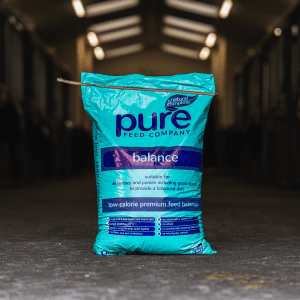
🌱 Pure Balance – concentrated nutrition with minimal calories
🌱 Fibre Balance – ideal for horses needing a little more fibre in the bucket
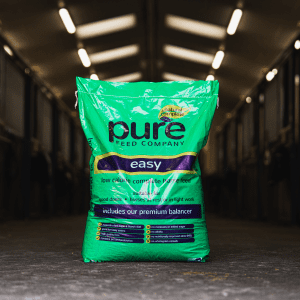
🌱 Pure Easy – higher in slow release energy and fibre, still low calorie
Not sure where to start? Comment diet plan below to recieve your FREE diet plan 👇
The Pure Feed range is built around one simple principle: work with the horse’s digestive system, not against it.
That’s why our range is cereal-free (with the exception of Pure Performance).
Instead of relying on traditional cereal grains as a primary energy source, we prioritise highly digestible fibre and superfibres. These ingredients provide a more natural route to energy production in the hindgut, supporting a steadier release of fuel rather than the rapid spikes often associated with starch-heavy diets.
Cereals have long been used in horse feeds for energy density, but they can place a greater digestive load on a system that is fundamentally designed for forage fermentation. By reducing reliance on them, we aim to support a more stable gut environment and more consistent overall condition.
The result is a range designed to be suitable for a wide variety of horses, from leisure horses to performance types, without compromising digestive health or nutritional balance.
Want to learn more about our cereal-free feeds? Tap the link in bio to learn more 🩵
“Mine lives out 24/7 on good grass… do they really still need a balancer?” 👀🌱
Short answer: very often, yes.
Because grass supplies calories brilliantly… but it doesn’t always supply nutrients in the right balance for modern horses, especially those in work, restricted grazing, poor doers or horses with higher nutritional demands.
The tricky bit?
Grass quality changes constantly depending on:
☀️ Sunshine
🌧️ Rainfall
🌱 Growth stage
🧪 Soil mineral levels
🐴 Grazing pressure
So while your field may look rich and healthy, key nutrients like copper, zinc, selenium, amino acids and vitamin E can still be lacking.
That’s where a balancer or complete feed comes in 🩵
At Pure Feed, our feeds are designed to help fill the nutritional gaps that forage and grazing alone may not cover, without unnecessary sugar, molasses or feeding huge bucket feeds.
Why that matters 👇
✔️ Supports hoof quality & skin condition
✔️ Helps maintain topline & muscle function
✔️ Supports immunity & recovery
✔️ Helps balance forage-based diets
✔️ Supports gut health & fibre digestion
Think of grass as the base of the diet…
and balanced nutrition as the part that helps everything function properly around it 🌾🧬
Hoof supplements are one of the most commonly purchased products in the horse world.
But what if the nutrients that support hoof growth were already in your feed? 👀
Every Pure Feed complete feed contains added biotin as standard, alongside the amino acids, vitamins and minerals needed to support hoof growth and horn quality.
Because whilst hoof oils, dressings and supplements all have their place, hooves are built from the inside out.
✔️ Added biotin in every feed
✔️ Essential amino acids
✔️ Balanced vitamins & minerals
✔️ Complete nutrition in every bucket
Your horse can stand in a field full of grass…and still be missing key nutrients 👀🌱
Because while grazing looks “natural”, modern pasture isn’t always nutritionally complete, especially for horses in work, restricted grazing, mixed grazing systems or poorer-quality field conditions.
Grass nutrient levels constantly change depending on:
☀️ Weather
🌱 Growth stage
🌧️ Rainfall
🐴 Grazing pressure
🧪 Soil mineral content
Which means the same field can provide very different nutrition throughout the year.
That’s why many horses can still benefit from targeted vitamin & mineral support, even when the grass looks lush or if they`re a good doer 🩵
At Pure Feed, we believe forage should always come first… but it shouldn’t have to do all the heavy lifting alone.
A well-balanced diet helps support:
✔️ Hoof quality
✔️ Muscle function
✔️ Energy metabolism
✔️ Immune health
✔️ Skin & coat condition
✔️ Gut health and fibre digestion
Need help figuring out which feed would suit your horse? Check out our diet plan service, link in bio 🩵
If you turned your horse’s feed label over… would you actually know what you’re looking at? 👀
A lot of feeds focus on calories first. At Pure Feed, we focus on what those calories are bringing with them 🌱
Because a horse’s bucket should support far more than just weight maintenance ⬇️
🧬 Amino acids to help support muscle repair, topline and recovery
🦠 Pre & probiotics to support a healthy hindgut microbiome
⚡ Oil-based slow-release energy for stamina without the starch spikes
💧 Salt & hydration support to help maintain fluid balance during work and warmer weather
🌾 Highly digestible fibre sources to support gut function and digestive health
🦄 Vitamins & minerals balanced to support normal bodily function, immunity and performance
🐴 Added biotin to support hoof quality and skin condition
And the best bit?
It’s all already built into the feed 🩵
Just complete, fibre-focused nutrition designed around what horses actually need to thrive.
Halfway through the season and suddenly your horse feels… flat? 👀
By mid-summer, many competition horses are working harder, travelling more, sweating more and burning through energy reserves faster, but simply throwing more starch at the problem isn’t always the answer. ⚡
At Pure Feed, we focus on controlled, fibre-based energy to support horses through the busiest part of the season without the unnecessary fizz. 🌱
Why fibre-first refuelling matters 👇
✔️ Slow-release energy supports stamina and consistency
✔️ Added oils provide safe calories without huge starch spikes
✔️ Essential amino acids help support muscle recovery and topline
✔️ Electrolytes & gut support become increasingly important as workloads and temperatures rise
✔️ Highly digestible formulations help horses maintain condition even during intense competition periods
The goal isn’t just more energy 👉 It’s usable energy, sustainable condition and horses that recover well enough to go again next weekend 💪
Most horse feeds are built around adding things in. At Pure Feed, we built ours around taking the confusion out 🩵
No separate chaff.
No balancing products.
No complicated feed charts stuck to the tack room wall.
Just scientifically balanced, fibre-based nutrition designed to support the horse as a whole 👉 from gut health and energy metabolism to muscle recovery and condition.
What makes us different? 👇
✔️ Complete nutrition in every feed
So every mouthful contributes towards a balanced diet; not just calories.
✔️ Low sugar & starch, no molasses, no alfalfa
Carefully formulated to support horses needing a more controlled, fibre-focused diet.
✔️ Gut-first formulation
With high fibre levels, pre & probiotics, and highly digestible ingredients to support the hindgut microbiome.
✔️ Real-world feeding that actually works
From happy hackers to top-level competition horses, we create feeds that are practical, consistent and easy to feed correctly.
Because feeding well shouldn’t mean feeding more products 👀
🏇 Worked hard. Sweated hard. Recovered properly?
When your horse exercises, they don`t just lose water. They also lose electrolytes, burn through nutrients and create muscle fatigue that needs supporting before the next ride.
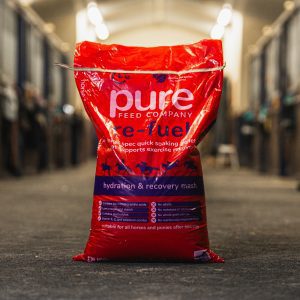
That`s why we created Pure Refuel 🩵
Refuel combines:
⚡ Electrolytes to replace what`s lost through sweat
💪 Essential amino acids to support muscle recovery
🦠 Live yeast to support gut health
🍒 Cherry for to tempt the fussiest of horses
🌱 Low sugar & starch formulation
💧 Quick-soaking mash to encourage fluid intake
Whether you`ve just finished a competition, a training session, a fun ride or a long day travelling, Refuel helps support recovery from the inside out 🩵
🚨 Good doers need nutrients too 🚨
One of the biggest feeding myths we see? 👀
"My horse gains weight easily, so they don`t need hard feed."
The reality is that calories and nutrition aren`t the same thing.
A horse can be carrying plenty of condition while still falling short on important nutrients needed for healthy hooves, muscle function, immunity, coat quality and overall wellbeing 🌱
That`s where a feed balancer comes in 🩵
Designed to provide concentrated nutrition without unnecessary calories, a balancer helps support your horse`s diet when they don`t need large bucket feeds.
Why do owners choose Pure Balance? 👇
✔️ Low calorie, nutrient-dense formulation
✔️ Vitamins & minerals to help balance forage and grazing
✔️ Added amino acids to support topline and muscle maintenance
✔️ Pre & probiotics for digestive support
✔️ Biotin for healthy hooves
✔️ No molasses or added sugar
Think of it like this...
Your horse may not need more feed 👉 they may just need more nutrition. 🧬
Perfect for good doers, native types, horses on restricted grazing, and anyone looking to support a balanced diet without adding unnecessary calories 🩵