

FEED ADVICE – HEALTH
Essential Guide to Allergies in Horses
Equine allergies are an increasingly recognised health issue that can significantly impact a horse’s quality of life. Allergies occur when the horse’s immune system reacts to normally harmless substances, known as allergens, leading to various symptoms ranging from mild itching to severe respiratory distress. Common allergens for horses include environmental factors such as dust, pollen, mould, and insects, as well as dietary components like certain grains or alfalfa. Understanding the causes, symptoms, and management strategies for equine allergies is crucial for maintaining your horse’s well-being.
Key Highlights

Equine allergies are a common health issue, affecting horses of all breeds and ages.

Diagnosis involves clincial evalutation, allergy testing and elimination diets.
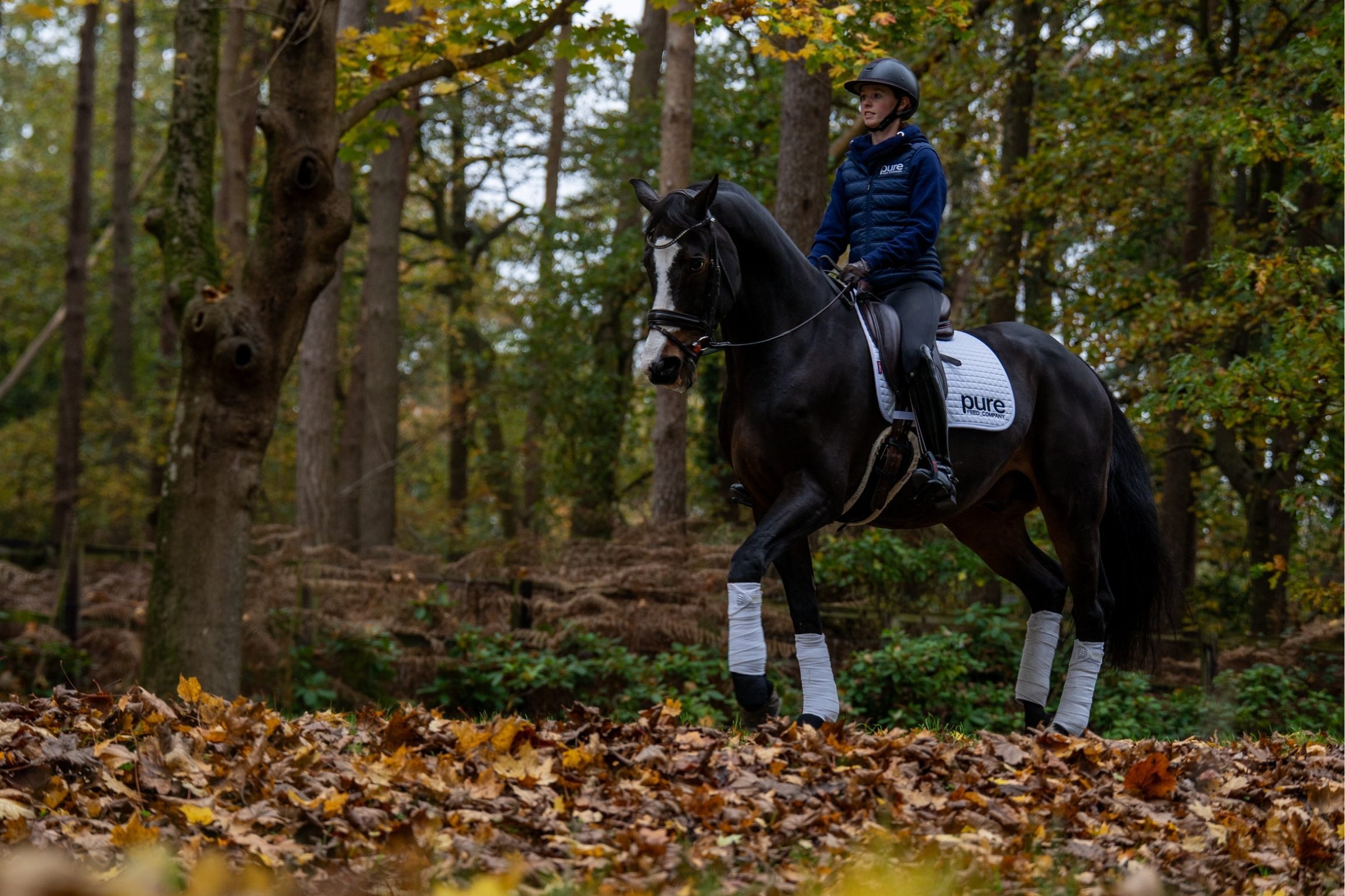
Common allergens include dust, pollen, mould, insects, and certain types of feed.
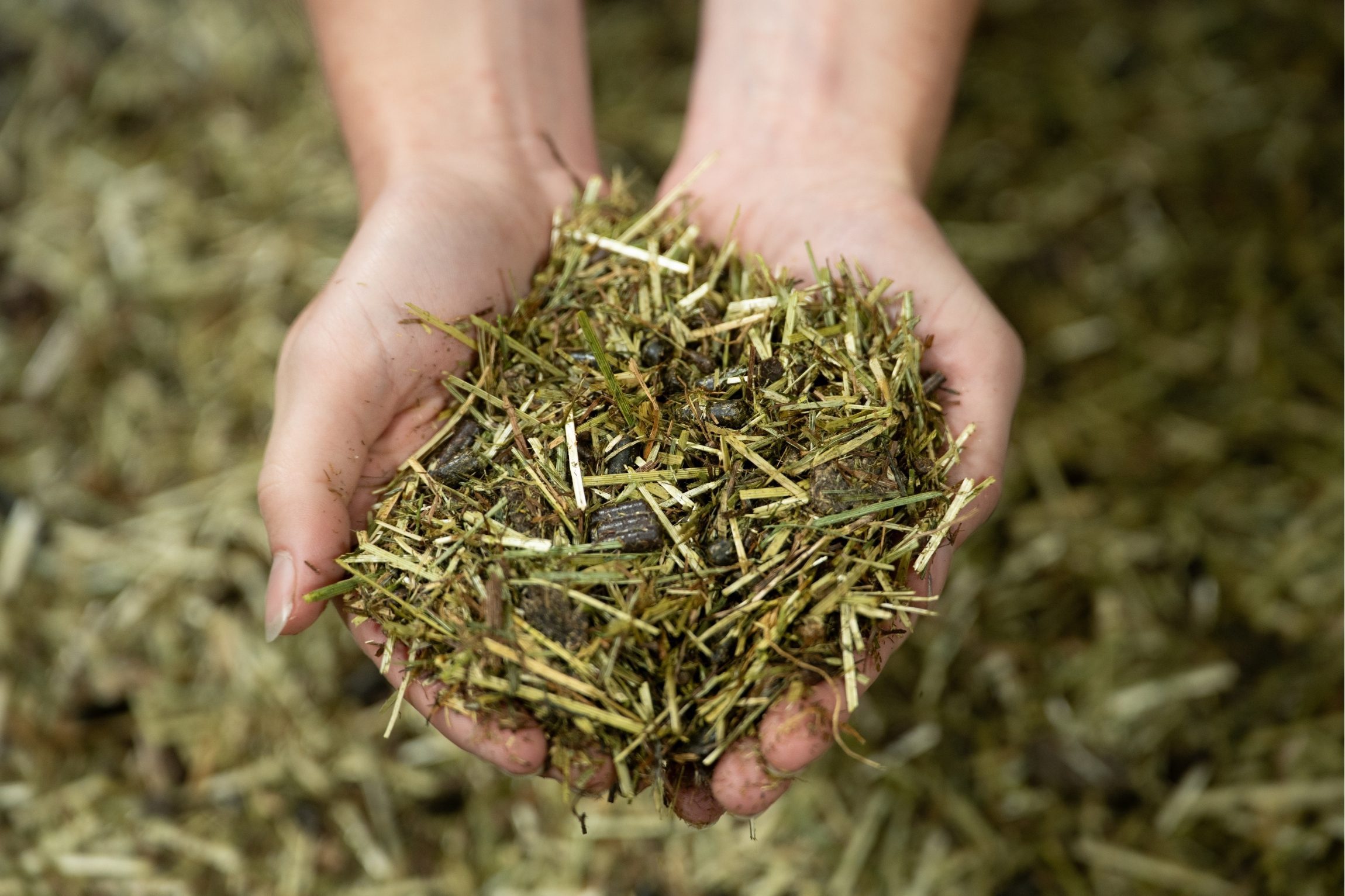
The Pure Feed mixes are alfalfa, soya and mould inhibitor free providing a dietary option for horses with allergies or intolerances.
Understanding Equine Allergies
Allergies in horses are hypersensitive immune responses to substances they encounter in their environment or diet. When a horse with allergies comes into contact with an allergen, its immune system produces antibodies, triggering an inflammatory response. This reaction can manifest in different ways, depending on the type of allergen and the individual horse’s sensitivity.
Equine allergies are typically categorised into three main types:
Respiratory Allergies
Often manifested as Recurrent Airway Obstruction (RAO), respiratory allergies are frequently caused by inhalation of allergens such as dust, mould spores, and pollen. The immune response leads to bronchoconstriction, increased mucus production, and airway inflammation, presenting clinically as coughing, nasal discharge, exercise intolerance, and laboured breathing.
Skin Allergies
Also known as atopic dermatitis, skin allergies including urticaria (hives), pruritus (itching), and dermatitis, may be triggered by direct contact with allergens, insect bites (e.g., Culicoides species causing sweet itch), or ingestion of allergenic feeds. The release of histamine and other inflammatory mediators from mast cells leads to skin irritation, hair loss, and in severe cases, self-trauma due to persistent scratching or rubbing.ingestion of certain allergens. Symptoms often include itching, hair loss, hives, and skin lesions.
Food Allergies or Intolerances
Dietary allergens such as alfalfa, soy, or specific grains can trigger gastrointestinal or systemic reactions. Symptoms may include colic, diarrhoea, chronic weight loss, or skin eruptions. Alfalfa is a notable allergen in horses, causing adverse reactions in a subset of the equine population.
Causes and Risk Factors of Equine Allergies
While the precise cause of equine allergies can vary, several risk factors have been identified:
Environmental Exposure
Horses exposed to high levels of airborne allergens like dust, pollen, and mould spores are at an increased risk of developing respiratory allergies. Inadequate stable ventilation, damp conditions, and poor-quality forage storage can exacerbate these issues.
Insect Hypersensitivity
Allergies to insect bites, particularly from Culicoides midges (sweet itch), are among the most common allergic conditions in horses. Insect saliva proteins trigger a type I hypersensitivity reaction, causing intense itching and dermatitis.
Dietary Components
Horses can develop food allergies or intolerances to specific ingredients in their feed, including alfalfa, grains, and certain protein sources. These reactions can lead to gastrointestinal distress, skin conditions, and systemic inflammation.
Genetic Predisposition
Certain breeds, such as Thoroughbreds, Warmbloods, and Arabians, show a higher incidence of allergies, suggesting a genetic component. Additionally, young horses and those with a history of previous allergic episodes may be more susceptible to developing new sensitivities.
Identifying Early Signs of Equine Allergies
Early detection of equine allergies is essential for effective management. Key signs to look out for include:
Respiratory Signs: coughing, nasal discharge, dyspnoea (difficulty breathing), and exercise intolerance are indicative of respiratory allergies like RAO.
Dermatologic Signs: Recurrent urticaria, pruritus, alopecia (hair loss), and dermatitis, particularly in areas exposed to insects or allergenic contact materials.
Gastrointestinal Signs: Symptoms such as diarrhoea, colic, or unexplained weight loss suggest food allergies or intolerances.
Behavioural Changes: Altered behaviour, such as irritability, lethargy, or reluctance to work, may be secondary to discomfort caused by allergic reactions.
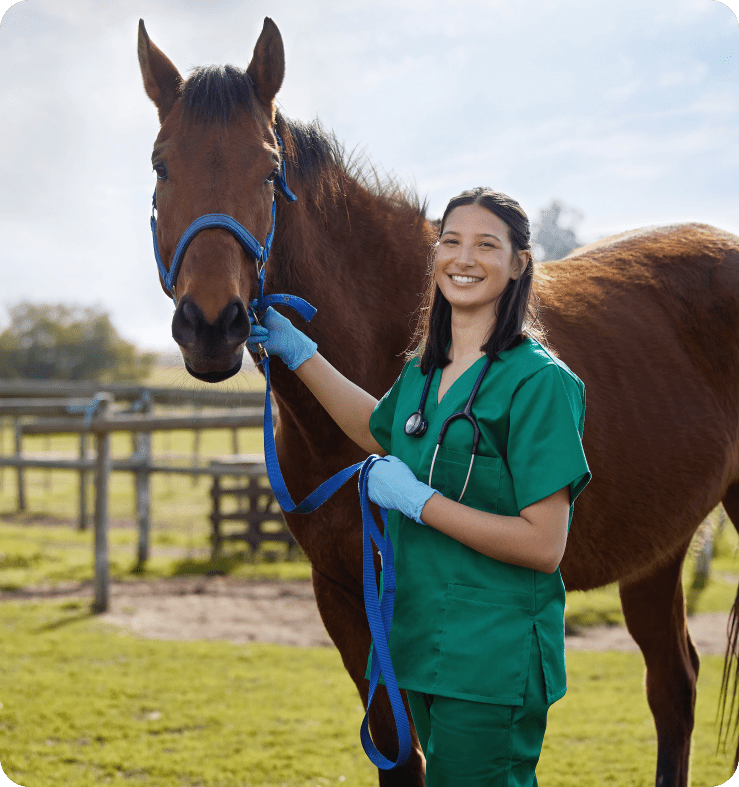
If any of these signs are observed, it is important to consult a veterinarian for a thorough evaluation and appropriate diagnostic testing.
Diagnosing Equine Allergies
Diagnosing equine allergies can be challenging due to the variety of symptoms and potential allergens. A comprehensive approach is often necessary, including:

Clinical Examination
A comprehensive physical examination is conducted to assess signs of allergic disease, including respiratory, dermatologic, and gastrointestinal symptoms.v

Allergy Testing
Serum testing or intradermal skin testing may be performed to identify specific allergens. These tests measure the horse’s immunoglobulin E (IgE) response to various environmental and dietary antigens.

Elimination Diets
For suspected food allergies, an elimination diet may be used to identify problematic ingredients. This involves feeding a simplified diet free of potential allergens and gradually reintroducing components to pinpoint the allergen.
Managing Equine Allergies
Effective management of equine allergies involves reducing exposure to allergens and providing supportive care:
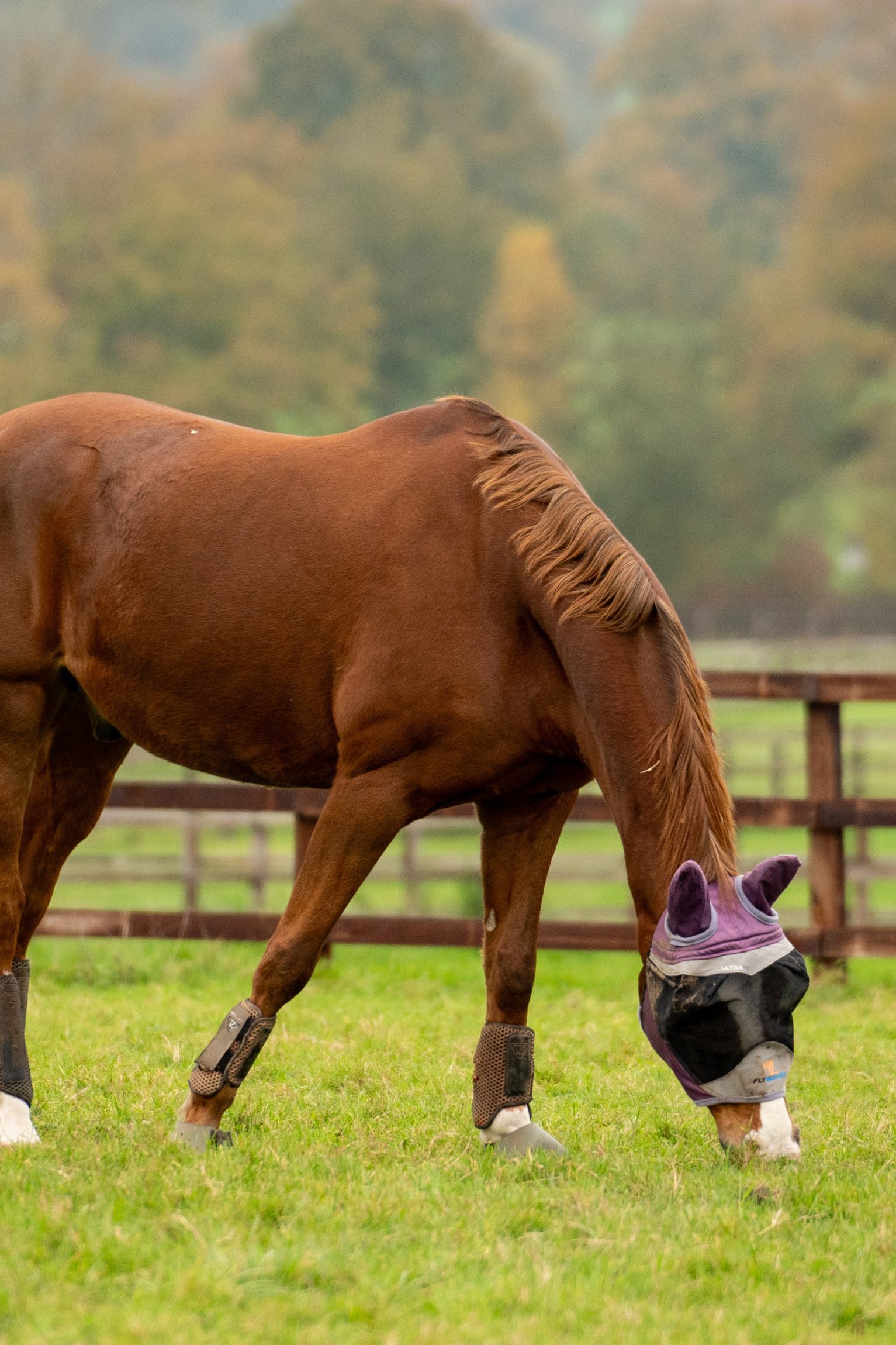
Environmental Management: Minimise exposure to dust, mould, and pollen by maintaining good stable hygiene, using dust-free bedding, and providing adequate ventilation. For horses with insect allergies, consider stabling them during peak insect activity and using fly sheets, masks, and insect repellents.
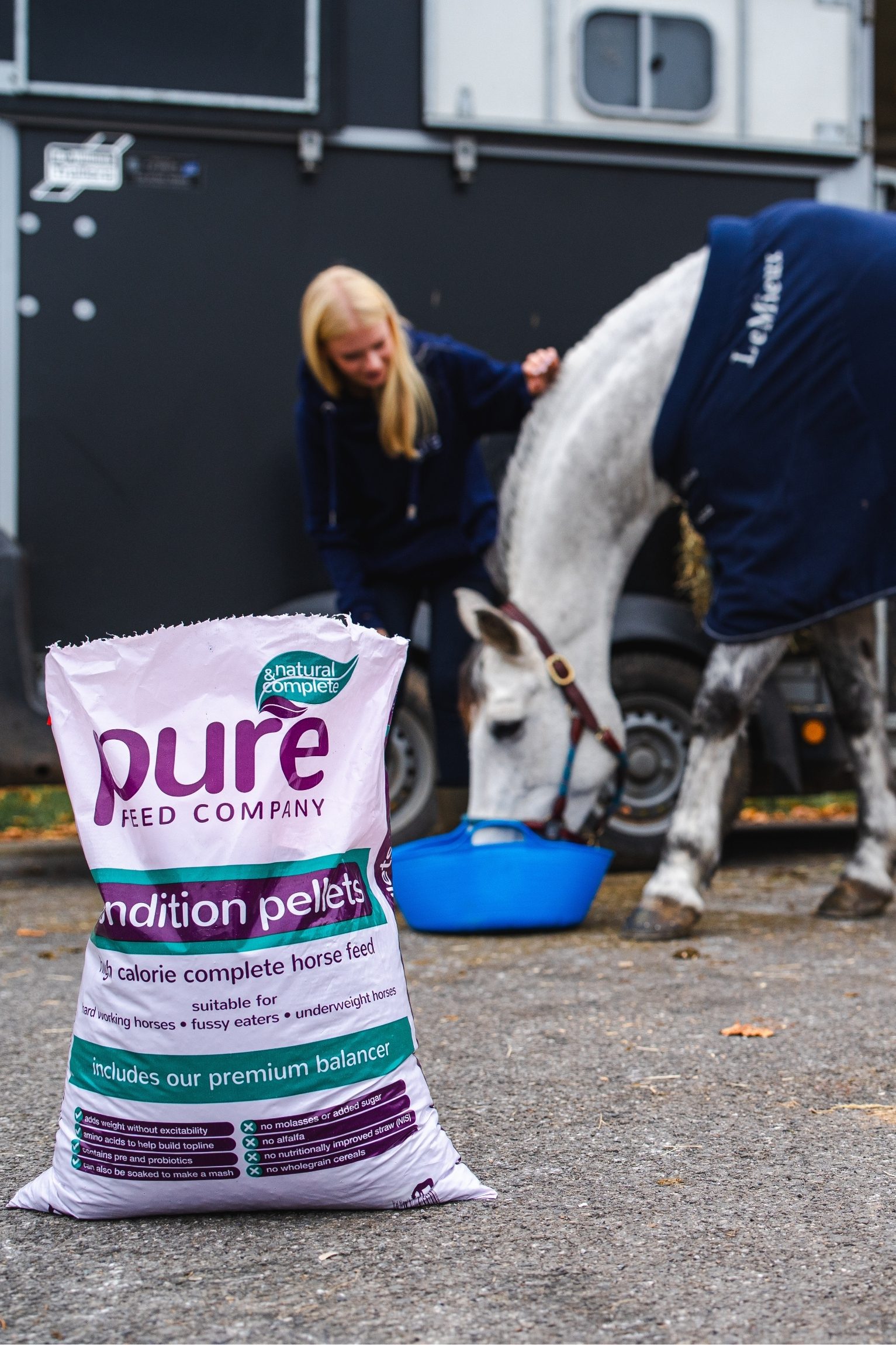
Dietary Adjustments: Feeding an allergen-free diet is crucial for horses with food allergies. The Pure Feed range offers alfalfa-free formulations that reduce the risk of allergic reactions while providing balanced nutrition.
Medical Treatment: Anti-inflammatory medications, such as corticosteroids or antihistamines, may be prescribed to alleviate symptoms. In severe cases, immunotherapy (allergy shots) may be recommended to desensitise the horse to specific allergens.
Regular Monitoring and Supportive Care: Ongoing monitoring of the horse’s condition is essential to manage allergies effectively. Regular veterinary check-ups, along with close observation of symptoms, can help adjust management strategies as needed.

Preventing Equine Allergies
While some allergies may not be entirely preventable, several strategies can help reduce the risk:
Maintain a Clean Environment: Regularly clean and ventilate stables, minimise dust, and use low-dust bedding materials.
Use Fly Control Measures: Implement comprehensive fly control strategies to reduce exposure to biting insects.
Choose Alfalfa-Free Feeds: Select feeds that do not contain common allergens like alfalfa. The Pure Feed range offers a variety of alfalfa-free options to support horses with dietary sensitivities.
Conduct Allergy Testing: Early allergy testing can identify specific triggers and allow for prompt management.
Conclusion
Equine allergies are a multifaceted condition that requires careful management to ensure the well-being of affected horses. By understanding the causes, recognising early signs, and implementing effective management strategies, horse owners can help minimise the impact of allergies on their horses.
Recommended products to support horses with Allergies


Made in the UK
We are proud to say that all of our feeds are produced here in the UK

FREE Shipping
We offer FREE SHIPPING for all orders in the UK with 15 bags and over*

Sustainable
We are dedicated to playing our part in making the world more sustainable

100% Natural
We use high-quality ingredients and no unnecessary additives.
FAQs
Thousands of people love our feeds

What people say about Pure Feed