
FEED ADVICE – DISCIPLINES
Feeding Dressage Horses: The Ultimate Guide
Feeding dressage horses requires a specialised approach that focuses on building strength, flexibility, and stamina. Dressage demands precision, controlled energy, and excellent muscle development to perform the intricate movements required in the arena. In this guide, we will explore the best feeding practices to support your dressage horse’s physical and mental wellbeing, helping them achieve balance, power, and grace in their work.
What is Dressage?
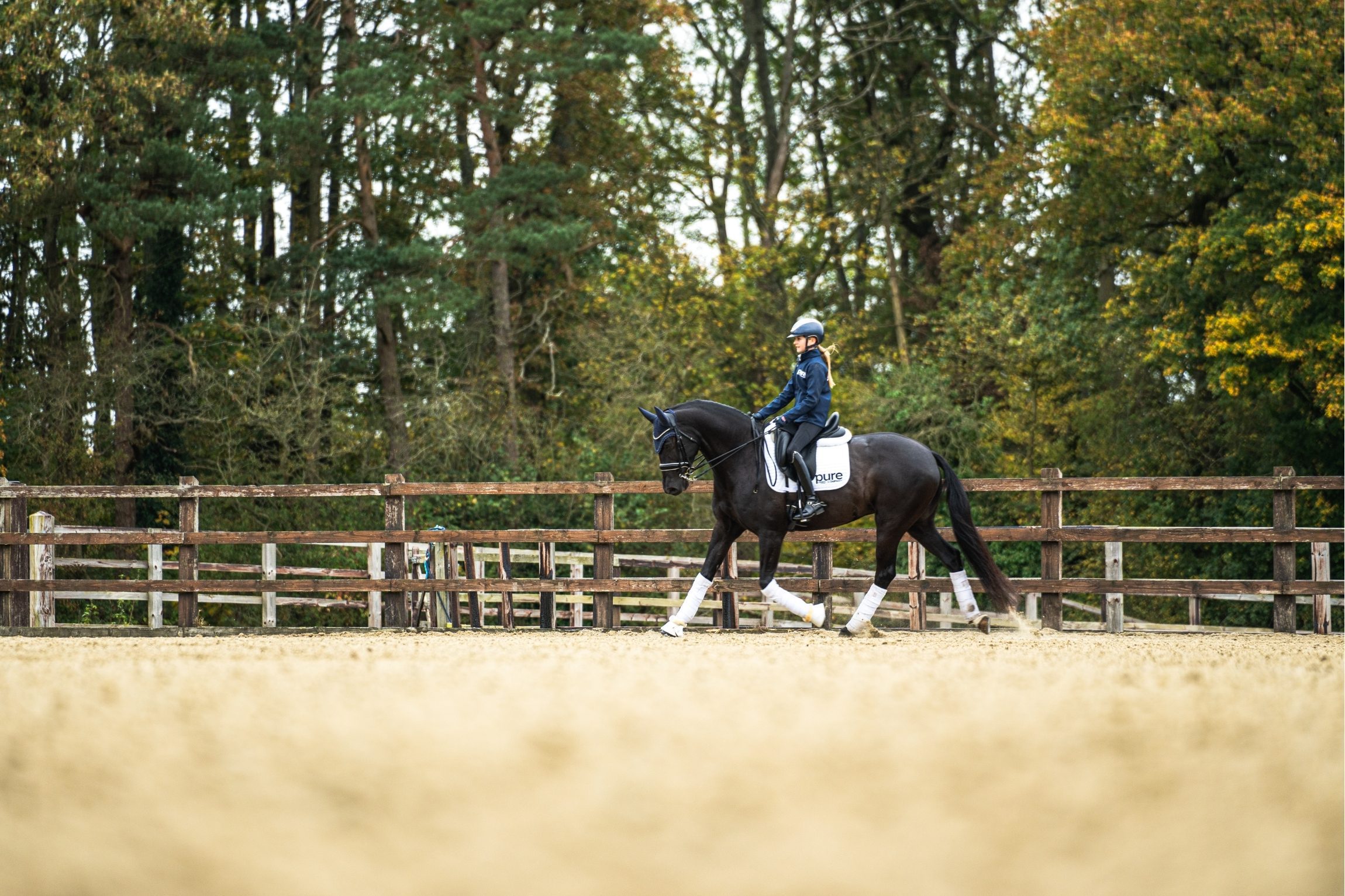
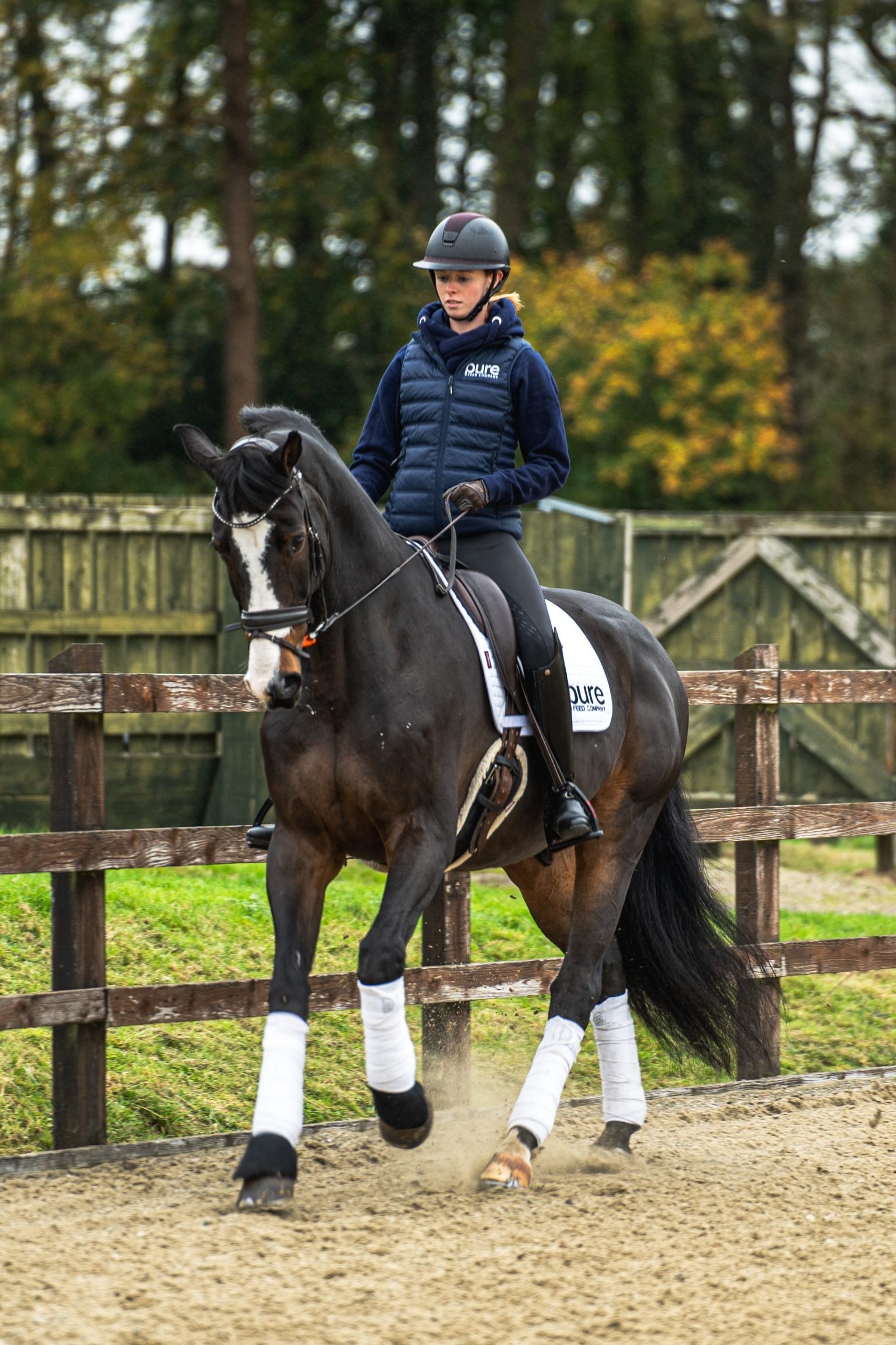
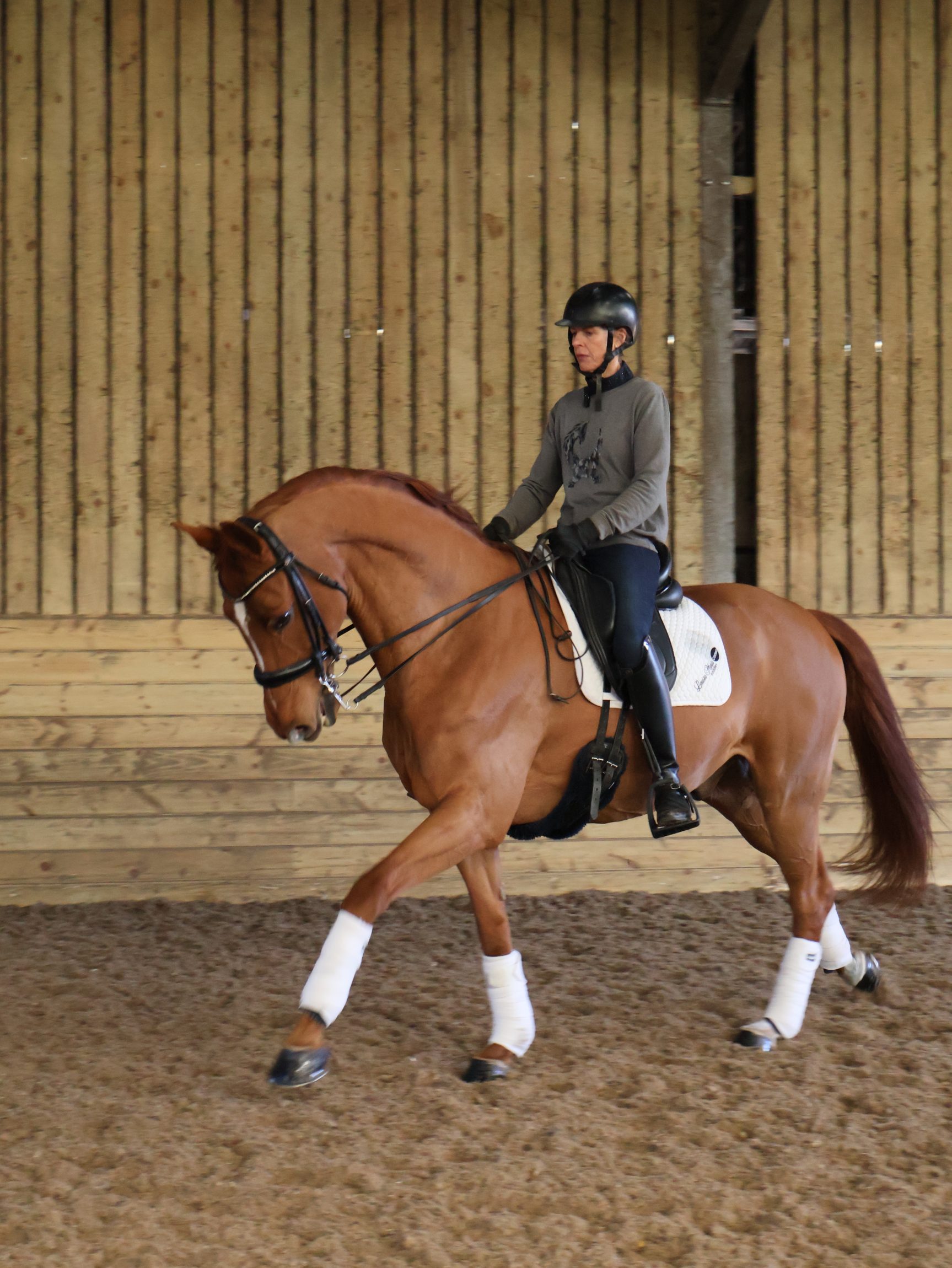
Dressage is a discipline in which horse and rider perform a series of predetermined movements with precision and elegance.
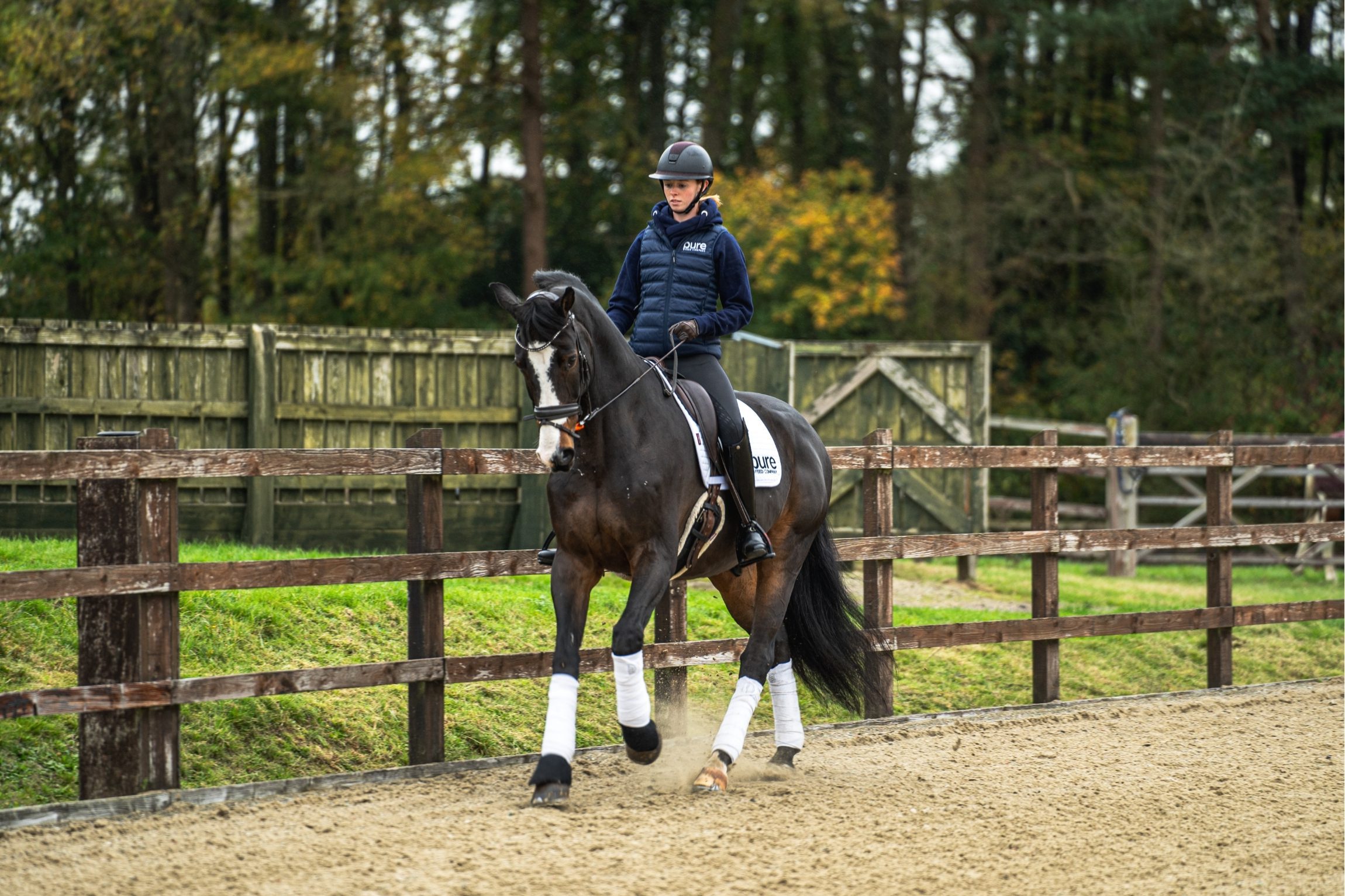
These movements range from basic walk, trot, and canter to more advanced movements like piaffe, passage, and pirouette.
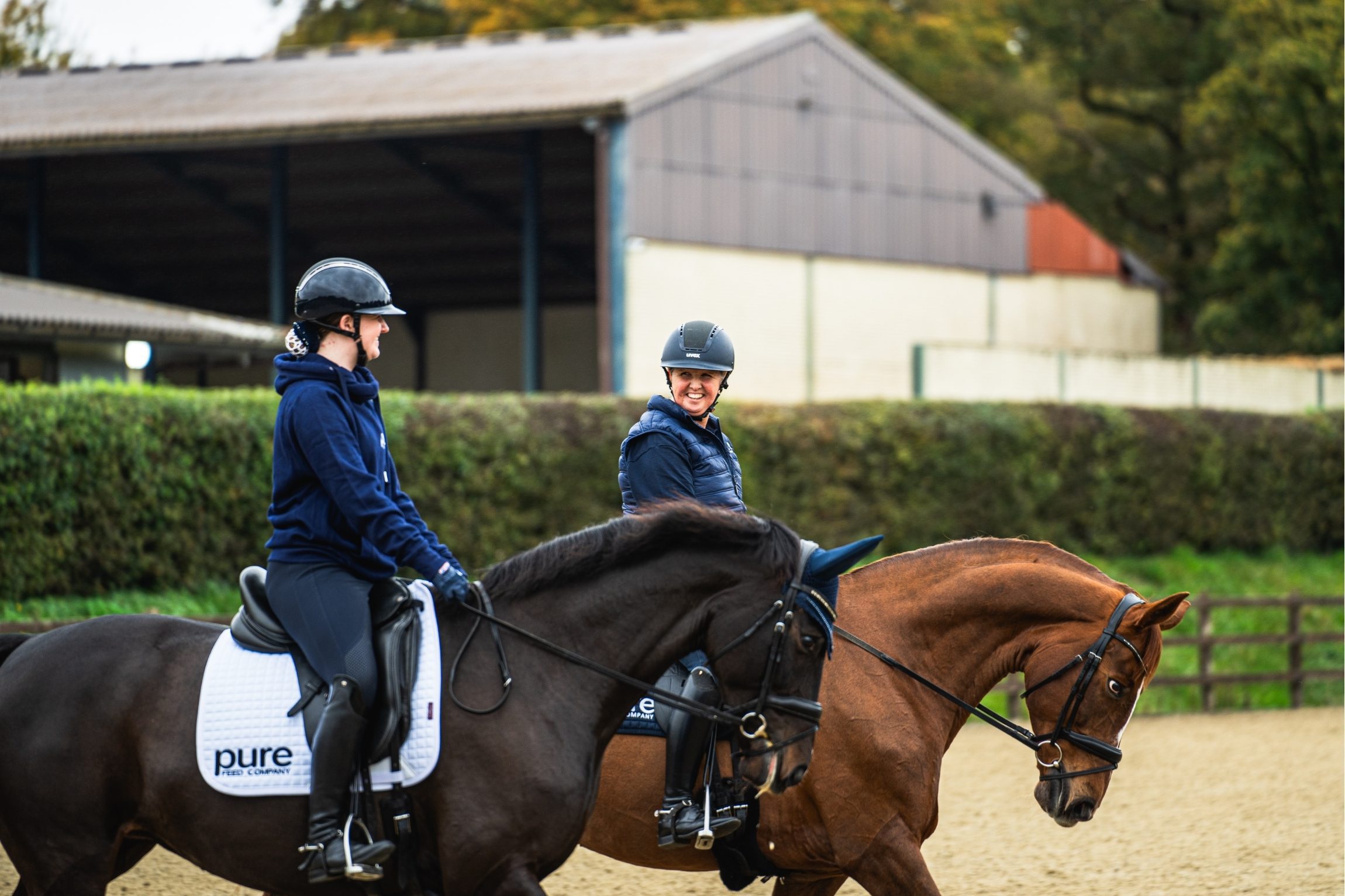
These movements range from basic walk, trot, and canter to more advanced movements like piaffe, passage, and pirouette.
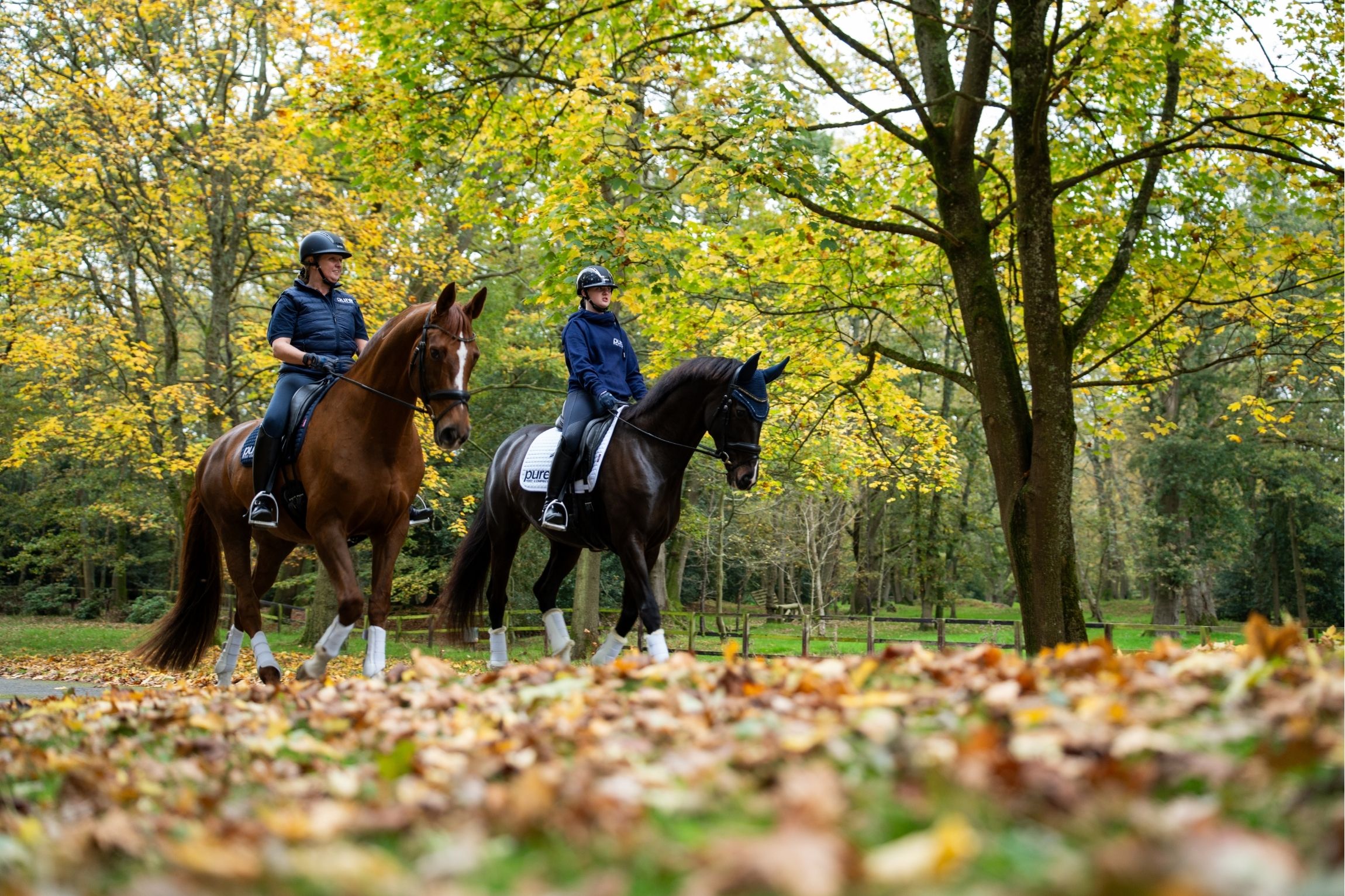
A balanced and nutritious diet is essential to fuel their performance and help them maintain the topline and condition.
Understanding the Nutritional Needs of Dressage Horses
Dressage horses have unique nutritional requirements driven by the sustained and controlled nature of the sport. Their diet must provide:


Metabolic Requirements of Dressage Horses
Dressage horses have increased metabolic needs due to the strength and control required in the sport. Their diet should focus on:
Fibre: A high-fibre diet supports slow-release energy, allowing horses to maintain the stamina required for long schooling sessions and competitions.
Fats: Offer a concentrated source of slow-release energy that supports endurance and helps maintain a calm temperament.
Protein: High-quality protein is essential for building and maintaining the muscle mass needed for strength and flexibility in dressage movements.
Key Components of a Dressage Horse’s Diet
Forage
High-Quality Hay: Forage should make up the majority of the dressage horse’s diet. Good-quality hay, such as timothy or meadow hay, provides fibre for slow-release energy and supports digestive health. Alfalfa can also be included for additional protein.
Grass: Access to good-quality grass provides natural fibre and can be a valuable source of nutrients, but the intake must be monitored to avoid weight gain or fluctuations in energy levels.
Hard Feed
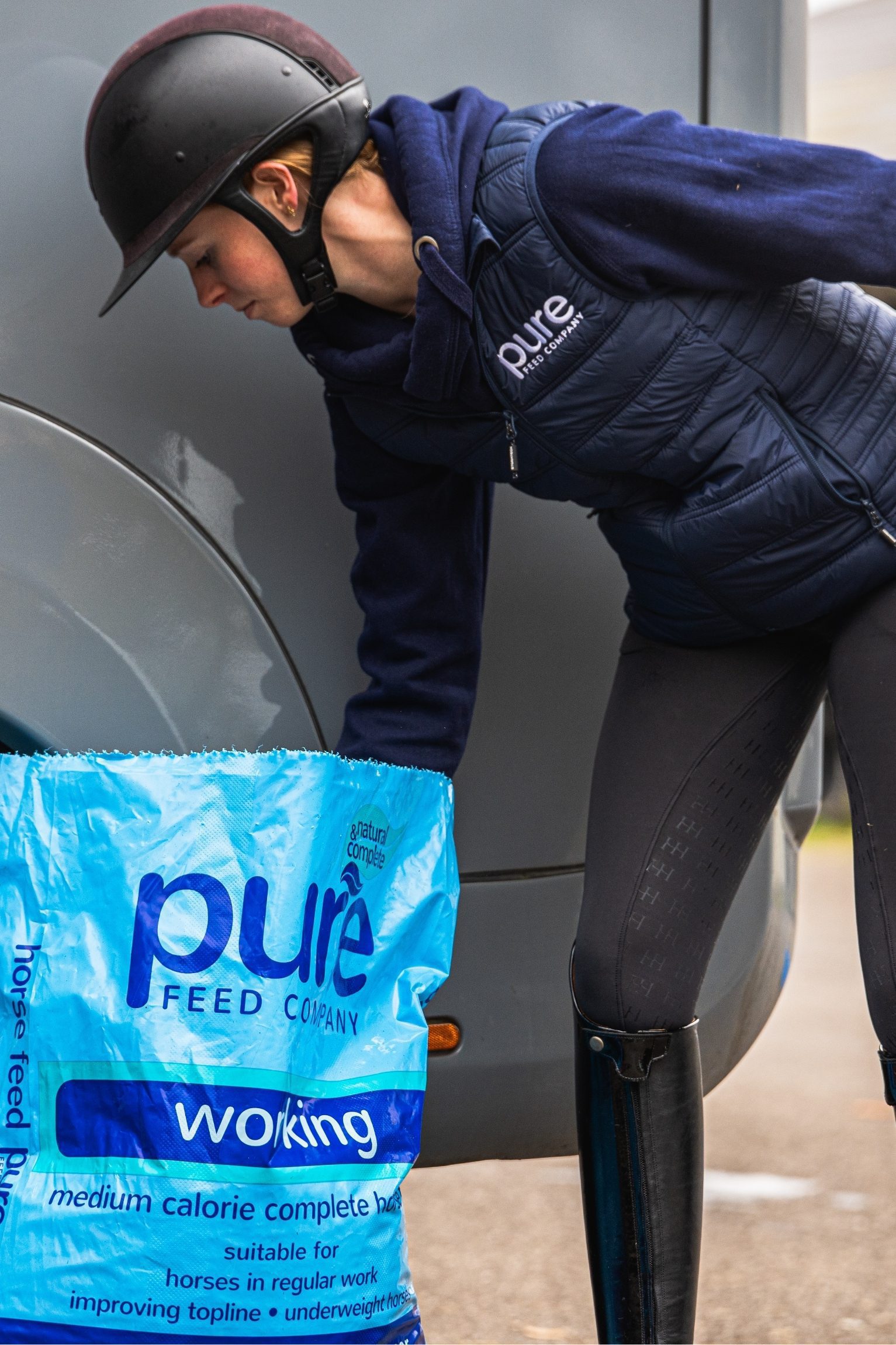
Low-Starch, High-Fibre Feeds: Dressage horses perform best on feeds that provide slow-release energy without causing spikes in energy. Choose feeds high in fibre and low in cereals to support steady energy levels and calmness during training and competition. All of our feeds use superfibres to provide your horse slow release energy without fizz!
Balancers: A balancer can help ensure your horse gets the necessary vitamins, minerals, and amino acids without excessive calories. This is especially important for maintaining muscle health, coat condition, and hoof strength.
Key Components of a Dressage Horse’s Diet
Energy Sources
Fats: Vegetable oils such as linseed or soya oil are ideal for providing slow-release energy that supports endurance without making the horse excitable. Fats are also helpful for maintaining a healthy coat and promoting calmness.
Fibre: High-fibre sources such as beet pulp, chaff, and soaked hay are excellent for slow-release energy and maintaining digestive health.
Cereals: While cereals like oats and barley provide quick-release energy, they should be limited in a dressage horse’s diet to prevent excessive energy spikes or excitability.
Protein Sources
Alfalfa: Alfalfa is an excellent source of both protein and fibre, supporting muscle tone, strength, and digestive health.
Soybean Meal: Rich in essential amino acids, soybean meal supports muscle development and recovery, crucial for the physically demanding movements required in dressage.
Linseed: In addition to being a source of healthy fats, linseed provides high-quality protein to support muscle repair and overall conditioning.
Key Components of a Dressage Horse’s Diet
Supplements:
Joint Support: Supplements containing glucosamine, chondroitin, and MSM are essential for supporting joint health, particularly as dressage places strain on the joints due to movements like piaffe, passage, and pirouette.
Hoof Supplements: Biotin, zinc, and methionine can help support strong, healthy hooves, which are crucial for maintaining balance and control in dressage movements. Did you know all our complete feeds already contain biotin?
Electrolytes: While dressage horses may not sweat as heavily as those in more intense disciplines, electrolytes can still be useful after long training sessions or competitions, particularly in hot weather.
Digestive Supplements: Probiotics and prebiotics can help maintain gut health, especially
.
Hydration:
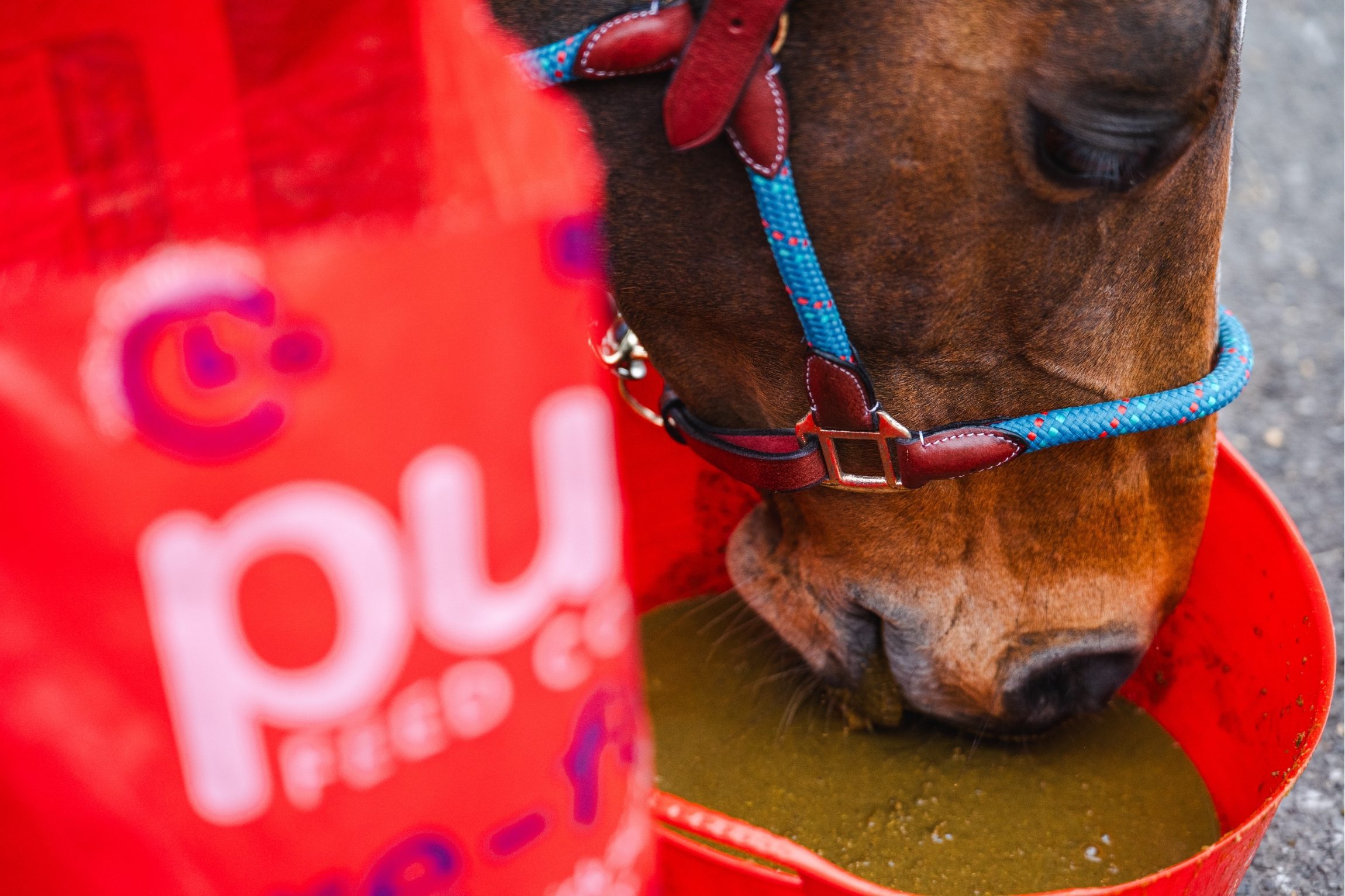
Fresh Water: Constant access to fresh, clean water is essential to keep your dressage horse hydrated, especially during long training sessions and warm weather. Soaked feeds or hay can also help promote hydration.

Feeding Tips for Dressage Horses
Energy for Control and Precision: Focus on providing slow-release energy from fibre and fats to fuel your horse’s work without creating excess energy or excitability.
Monitor Body Condition: Regularly assess your horse’s body condition score (BCS) and adjust their diet accordingly. Dressage horses should maintain a healthy weight to optimise their movement without becoming overweight or undernourished.
Post-Exercise Nutrition: After intense training sessions, provide high-quality protein to support muscle recovery and maintain your horse’s condition.
Consistency in Feeding: Feed your horse at the same times each day to maintain digestive health and ensure steady energy levels. Avoid large meals just before or after exercise.
Tailoring the Diet to Different Stages of Dressage
The dietary needs of a dressage horse will change between training, competition days, and rest periods. Adjusting the diet to these different stages will help ensure optimal performance and recovery:
Training Periods: During intense training phases, provide slow-release energy from fibre and fats, along with high-quality protein to support muscle development. Avoid quick-release energy sources that could make the horse excitable during precision work.
Competition Days: Ensure your horse has access to light, high-fibre feeds before and after the competition to maintain energy levels and promote digestion without causing excitability. Hydration is crucial, so make sure your horse has plenty of fresh water and consider using electrolytes during warm weather.
Rest Days: On rest days, adjust the amount of hard feed to reflect the reduced energy requirements, focusing on high-quality forage to maintain digestive health and prevent weight gain.
Conclusion
Feeding a dressage horse requires a careful balance of energy, muscle support, and recovery. A diet rich in high-quality forage, balanced hard feed, and targeted supplements will help ensure your horse performs at their best, maintaining the strength, flexibility, and focus needed for the intricate movements of dressage. By tailoring the diet to the specific demands of the discipline and the individual needs of your horse, you can help them reach their full potential.
Hear from the Brand Ambassador– Sarah Stewart
Sarah Stewart’s early career saw her working with top event riders and managing prestigious equestrian centres, including Gleneagles Equestrian Centre and Hartpury College. After transitioning from eventing and show jumping to dressage, Sarah achieved her dream of competing at Grand Prix level with her horse Polly, overcoming significant challenges along the way. In her approach to dressage, Sarah understands that the right nutrition is crucial for maintaining her horses’ performance and well-being. Her focus is on providing a balanced diet that supports the specific needs of dressage horses, who require both energy and endurance without excess excitability.
What we Recommend for Dressage Horses
Made in the UK
We are proud to say that all of our feeds are produced here in the UK
FREE Shipping
We offer FREE SHIPPING for all orders in the UK with 15 bags and over*
Sustainable
We are dedicated to playing our part in making the world more sustainable

100% Natural
We use high-quality ingredients and no unnecessary additives.
Thousands of people love our feeds

Molasses is commonly used in horse feeds as a cheap palatability enhancer, effectively adding sweetness to make heavily processed or less naturally palatable ingredients more appealing.
The issue is that this approach also increases the overall sugar content of the diet, while encouraging reliance on flavouring rather than formulation quality. For some horses, this can contribute to unnecessary spikes in dietary sugar intake and inconsistent energy levels, particularly in more sensitive types.
That’s why the Pure Feed range is completely molasses-free.
We don’t rely on added sweetness or masking agents to make our feed tastier. Instead, we focus on naturally palatable, fibre-led formulations with slow-release energy sources, supporting steadier intake, more consistent condition, and a more transparent approach to nutrition.
Want to learn more about our molasses free feeds ? Link in bio 🩵
Molasses is commonly used in horse feeds as a cheap palatability enhancer, effectively adding sweetness to make heavily processed or less naturally palatable ingredients more appealing.
The issue is that this approach also increases the overall sugar content of the diet, while encouraging reliance on flavouring rather than formulation quality. For some horses, this can contribute to unnecessary spikes in dietary sugar intake and inconsistent energy levels, particularly in more sensitive types.
That’s why the Pure Feed range is completely molasses-free.
We don’t rely on added sweetness or masking agents to make our feed tastier. Instead, we focus on naturally palatable, fibre-led formulations with slow-release energy sources, supporting steadier intake, more consistent condition, and a more transparent approach to nutrition.
Want to learn more about our molasses free feeds ? Link in bio 🩵
Feeding shouldn’t feel like building a puzzle every morning 🧩
A complete feed brings everything together in one consistent, carefully formulated ration; designed to deliver fibre, energy, vitamins, minerals and protein in the right proportions, every time.
Instead of relying on multiple buckets, supplements, and guesswork, you’re giving the horse a single, balanced foundation that supports gut health, condition, and performance as one joined-up system.
Because when nutrition is already complete, everything else becomes simpler, keeping them feeling their best, day in, day out🐴 🩵
Feeding shouldn’t feel like building a puzzle every morning 🧩
A complete feed brings everything together in one consistent, carefully formulated ration; designed to deliver fibre, energy, vitamins, minerals and protein in the right proportions, every time.
Instead of relying on multiple buckets, supplements, and guesswork, you’re giving the horse a single, balanced foundation that supports gut health, condition, and performance as one joined-up system.
Because when nutrition is already complete, everything else becomes simpler, keeping them feeling their best, day in, day out🐴 🩵
A complete feed should do more than just “fill a gap”; it should actively support the horse from the inside out, every single day.
That’s why the Pure Complete range goes further, building in targeted support through Gut Support, Muscle Support, and Hoof Support packages as standard = not as add-ons, not as extras, but as part of the formulation itself.
So instead of juggling separate supplements and hoping everything adds up, you’ve got a fully balanced feed that supports digestion, topline, strength, and hoof health in one simple system.
Complete nutrition, complete support = all in one bucket 🩵
A complete feed should do more than just “fill a gap”; it should actively support the horse from the inside out, every single day.
That’s why the Pure Complete range goes further, building in targeted support through Gut Support, Muscle Support, and Hoof Support packages as standard = not as add-ons, not as extras, but as part of the formulation itself.
So instead of juggling separate supplements and hoping everything adds up, you’ve got a fully balanced feed that supports digestion, topline, strength, and hoof health in one simple system.
Complete nutrition, complete support = all in one bucket 🩵
When it comes to youngstock and breeding horses, nutrition plays a key role in long-term development 🩵
Pure Stud provides higher levels of protein and a full balancer, while remaining low in sugar and starch, supporting a more controlled rate of growth.
Formulated without cereals, molasses, soya or alfalfa, it offers a clean, consistent approach to feeding, with a lower-risk profile for developmental concerns such as OCD.
Available in-store and online 👉 and now £5 off throughout May!
When it comes to youngstock and breeding horses, nutrition plays a key role in long-term development 🩵
Pure Stud provides higher levels of protein and a full balancer, while remaining low in sugar and starch, supporting a more controlled rate of growth.
Formulated without cereals, molasses, soya or alfalfa, it offers a clean, consistent approach to feeding, with a lower-risk profile for developmental concerns such as OCD.
Available in-store and online 👉 and now £5 off throughout May!
A complete feed is more than just a bucket of feed thrown together; it’s a carefully balanced system designed to support your horse from the inside out.
Each component plays a role: high-quality fibres for gut health and steady energy release, essential oils for slow-release fuel, and a fully balanced vitamin and mineral profile to remove the need for additional supplements. Add in digestible protein for topline and muscle repair, and you’ve got nutrition that works in harmony with the whole horse.
No gaps. No guesswork. Just everything they need, all in one place.
That’s the idea behind a Pure Feed complete feed = simplicity, balance, and performance you can see. 🐴
A complete feed is more than just a bucket of feed thrown together; it’s a carefully balanced system designed to support your horse from the inside out.
Each component plays a role: high-quality fibres for gut health and steady energy release, essential oils for slow-release fuel, and a fully balanced vitamin and mineral profile to remove the need for additional supplements. Add in digestible protein for topline and muscle repair, and you’ve got nutrition that works in harmony with the whole horse.
No gaps. No guesswork. Just everything they need, all in one place.
That’s the idea behind a Pure Feed complete feed = simplicity, balance, and performance you can see. 🐴
Vitamin C is a vital nutrient involved in a range of key physiological processes in the horse. It acts as a powerful antioxidant, helping to neutralise free radicals and reduce oxidative stress, particularly important during periods of work, growth, or recovery. It is also essential for collagen synthesis, supporting the integrity of connective tissues, including tendons, ligaments, skin, and blood vessels, all of which are under constant strain in the athletic horse. In addition, vitamin C contributes to normal hormone synthesis, supporting overall metabolic balance and physiological function.
Because of its importance across multiple systems, vitamin C is included as part of the carefully balanced formulation in our Complete feeds. This ensures horses receive consistent, appropriate levels as part of their daily nutrition, supporting health, resilience, and performance without the need for additional supplementation 🩵
Vitamin C is a vital nutrient involved in a range of key physiological processes in the horse. It acts as a powerful antioxidant, helping to neutralise free radicals and reduce oxidative stress, particularly important during periods of work, growth, or recovery. It is also essential for collagen synthesis, supporting the integrity of connective tissues, including tendons, ligaments, skin, and blood vessels, all of which are under constant strain in the athletic horse. In addition, vitamin C contributes to normal hormone synthesis, supporting overall metabolic balance and physiological function.
Because of its importance across multiple systems, vitamin C is included as part of the carefully balanced formulation in our Complete feeds. This ensures horses receive consistent, appropriate levels as part of their daily nutrition, supporting health, resilience, and performance without the need for additional supplementation 🩵
Pre-ride feeding has a real physiological impact on how the horse’s body copes once exercise starts.
A small fibre-based feed before work helps support digestion by keeping hindgut fermentation active and gut function stable, rather than asking the digestive system to switch focus while blood flow is redirected to working muscles during exercise. It also supports steady energy by encouraging slow, microbial fibre fermentation in the hindgut. This produces a gradual, sustained release of energy substrates, rather than the quick spikes and drops associated with starch digestion.
And importantly, it helps protect the stomach by creating a fibre layer within the stomach contents, which reduces acid movement and splashing onto the unprotected stomach lining when the horse is in motion and abdominal pressure increases.
The great news is that, as Pure Feed is high in fibre, you can use a small handful of your chosen feed to give to your horse before you set off 🩵
Pre-ride feeding has a real physiological impact on how the horse’s body copes once exercise starts.
A small fibre-based feed before work helps support digestion by keeping hindgut fermentation active and gut function stable, rather than asking the digestive system to switch focus while blood flow is redirected to working muscles during exercise. It also supports steady energy by encouraging slow, microbial fibre fermentation in the hindgut. This produces a gradual, sustained release of energy substrates, rather than the quick spikes and drops associated with starch digestion.
And importantly, it helps protect the stomach by creating a fibre layer within the stomach contents, which reduces acid movement and splashing onto the unprotected stomach lining when the horse is in motion and abdominal pressure increases.
The great news is that, as Pure Feed is high in fibre, you can use a small handful of your chosen feed to give to your horse before you set off 🩵
It’s finally here!! Badminton week! We’re wishing our brand ambassador @ellah.orses the biggest luck and can’t wait to cheer her down the centreline at 14:36 today! 🍀🩵
May just got better 🌱
£5 off Pure Stud, all month long!
Complete nutrition for youngstock, mares & stallions… without the extras you don’t want.
✔ No cereals
✔ No molasses
✔ No soya or alfalfa
✔ Low sugar & starch
Available in-store & online 🩵
May just got better 🌱
£5 off Pure Stud, all month long!
Complete nutrition for youngstock, mares & stallions… without the extras you don’t want.
✔ No cereals
✔ No molasses
✔ No soya or alfalfa
✔ Low sugar & starch
Available in-store & online 🩵
Did you know the sugar in grass isn’t constant?
It rises and falls throughout the day, driven by photosynthesis and temperature. Early morning (6–10 am), photosynthesis hasn’t yet packed the grass with soluble sugars, so grazing is generally lower risk and a safer window for horses prone to laminitis or weight gain.
Between late morning and late afternoon (11–5 pm), sunlight drives sugar production. Levels climb steadily, meaning horses grazing during this period should be monitored closely, especially those with metabolic sensitivities.
By evening and overnight (18–05 am), grass sugar can peak. Cooler nights trap sugars in the plant, creating a riskier forage for susceptible horses. Grazing unmanaged during this window can overload the horse’s system and trigger laminitis.
Understanding these daily sugar fluctuations allows you to manage turnout strategically, protect gut and metabolic health.
Did you know the sugar in grass isn’t constant?
It rises and falls throughout the day, driven by photosynthesis and temperature. Early morning (6–10 am), photosynthesis hasn’t yet packed the grass with soluble sugars, so grazing is generally lower risk and a safer window for horses prone to laminitis or weight gain.
Between late morning and late afternoon (11–5 pm), sunlight drives sugar production. Levels climb steadily, meaning horses grazing during this period should be monitored closely, especially those with metabolic sensitivities.
By evening and overnight (18–05 am), grass sugar can peak. Cooler nights trap sugars in the plant, creating a riskier forage for susceptible horses. Grazing unmanaged during this window can overload the horse’s system and trigger laminitis.
Understanding these daily sugar fluctuations allows you to manage turnout strategically, protect gut and metabolic health.
Growth places specific nutritional demands on young horses, requiring a precise balance of energy, protein, vitamins and minerals to support correct development.
Pure Stud is formulated to deliver this in a controlled way; high in fibre to support the digestive system, low in sugar and starch to avoid unnecessary peaks in blood glucose and insulin, and with a built-in stud balancer to provide essential vitamins, minerals and quality amino acids.
This supports steady growth rates, skeletal development, and muscle formation without relying on high-starch, high-calorie formulations.
A consistent, balanced approach to nutrition during growth is key to supporting long-term soundness and development.
Growth places specific nutritional demands on young horses, requiring a precise balance of energy, protein, vitamins and minerals to support correct development.
Pure Stud is formulated to deliver this in a controlled way; high in fibre to support the digestive system, low in sugar and starch to avoid unnecessary peaks in blood glucose and insulin, and with a built-in stud balancer to provide essential vitamins, minerals and quality amino acids.
This supports steady growth rates, skeletal development, and muscle formation without relying on high-starch, high-calorie formulations.
A consistent, balanced approach to nutrition during growth is key to supporting long-term soundness and development.
One bag. No gaps. No guesswork.
Feeding shouldn’t feel like a balancing act. That’s why our feeds are built differently - truly complete, with everything your horse needs in every single mouthful:
🌱 Multiple fibre sources (grass pellets + chaff) for gut health and chew time
⚡ Slow-release energy from linseed, rapeseed oil & unmolassed sugar beet
🧬 A fully balanced vitamin & mineral package
💪 Essential amino acids for muscle support
🦶 Biotin for strong hooves
🧂 Salt for hydration and electrolyte balance
🦠 Pre & probiotics for optimal digestion
No extras. No add-ons. Just Pure Feed 🩵
One bag. No gaps. No guesswork.
Feeding shouldn’t feel like a balancing act. That’s why our feeds are built differently - truly complete, with everything your horse needs in every single mouthful:
🌱 Multiple fibre sources (grass pellets + chaff) for gut health and chew time
⚡ Slow-release energy from linseed, rapeseed oil & unmolassed sugar beet
🧬 A fully balanced vitamin & mineral package
💪 Essential amino acids for muscle support
🦶 Biotin for strong hooves
🧂 Salt for hydration and electrolyte balance
🦠 Pre & probiotics for optimal digestion
No extras. No add-ons. Just Pure Feed 🩵
If you’ve ever owned a good-doer, you’ll know… they don’t miss a meal. Not ever.
Spring grass comes through, the sun appears, and suddenly, what should be a simple turnout becomes a stressful balancing act.
For some, that starts with a muzzle. Not to restrict completely, but to slow things down – turning every bite into a more considered mouthful.
For others, it’s strip grazing. Walking the fence line forward inch by inch, controlling access to fresh grass and keeping intake steady rather than excessive.
Then there’s hay, soaked to reduce sugar levels, making it a safer, more suitable forage option when you need to take the edge off.
Some horses thrive in dry paddocks, where grass intake is minimal but movement and turnout are still part of their routine. Others benefit from a little more time stabled, where you can fully manage what goes in and when.
All of these approaches share the same underlying principle: restriction. You’re limiting intake to manage weight, sugar exposure, and overall health. But it’s easy to forget what else gets restricted at the same time. When you reduce grass, soak hay, or limit access to forage, you’re not just cutting calories and sugars, you’re also reducing the intake of essential vitamins, minerals, and amino acids that your horse would naturally pick up throughout the day.
Over time, that gap can start to show. Hoof quality, coat condition, muscle maintenance, even energy levels and recovery, they’re all influenced by those nutrients that are no longer consistently coming in. This is where a low calorie balancer, like Pure Balance comes in. It`s job is to fill in these nutrition gaps and help provide your horse with everything they need, in a low calorie format 🩵
If you’ve ever owned a good-doer, you’ll know… they don’t miss a meal. Not ever.
Spring grass comes through, the sun appears, and suddenly, what should be a simple turnout becomes a stressful balancing act.
For some, that starts with a muzzle. Not to restrict completely, but to slow things down – turning every bite into a more considered mouthful.
For others, it’s strip grazing. Walking the fence line forward inch by inch, controlling access to fresh grass and keeping intake steady rather than excessive.
Then there’s hay, soaked to reduce sugar levels, making it a safer, more suitable forage option when you need to take the edge off.
Some horses thrive in dry paddocks, where grass intake is minimal but movement and turnout are still part of their routine. Others benefit from a little more time stabled, where you can fully manage what goes in and when.
All of these approaches share the same underlying principle: restriction. You’re limiting intake to manage weight, sugar exposure, and overall health. But it’s easy to forget what else gets restricted at the same time. When you reduce grass, soak hay, or limit access to forage, you’re not just cutting calories and sugars, you’re also reducing the intake of essential vitamins, minerals, and amino acids that your horse would naturally pick up throughout the day.
Over time, that gap can start to show. Hoof quality, coat condition, muscle maintenance, even energy levels and recovery, they’re all influenced by those nutrients that are no longer consistently coming in. This is where a low calorie balancer, like Pure Balance comes in. It`s job is to fill in these nutrition gaps and help provide your horse with everything they need, in a low calorie format 🩵
✨ Pure Fibre Balance - high-fibre, low-calorie feed for good doers! ✨
Combines our premium balancer pellets (vitamins, minerals, pre/probiotics, biotin, amino acids, salt) with low-calorie chaff for extra fibre to provide steady, slow-release energy (no fizz) = ideal for good doers & laminitis-prone horses
🚫 Cereal & molasses free, no preservatives – all the nutrition, none of the empty calories 🩵
✨ Pure Fibre Balance - high-fibre, low-calorie feed for good doers! ✨
Combines our premium balancer pellets (vitamins, minerals, pre/probiotics, biotin, amino acids, salt) with low-calorie chaff for extra fibre to provide steady, slow-release energy (no fizz) = ideal for good doers & laminitis-prone horses
🚫 Cereal & molasses free, no preservatives – all the nutrition, none of the empty calories 🩵
A good session doesn’t end when you untack.
Work takes more out of your horse than you can always see: fluid loss through sweat, muscles under strain, and a digestive system that’s more sensitive post-exercise.
That’s where Refuel comes in.
Supporting faster muscle recovery, replenishing electrolytes for effective hydration, and formulated to be gut safe, it helps your horse recover properly 🩵
A good session doesn’t end when you untack.
Work takes more out of your horse than you can always see: fluid loss through sweat, muscles under strain, and a digestive system that’s more sensitive post-exercise.
That’s where Refuel comes in.
Supporting faster muscle recovery, replenishing electrolytes for effective hydration, and formulated to be gut safe, it helps your horse recover properly 🩵
Both Fibre Balance and Easy are part of our low calorie range but which suits your horse?
Pure Fibre Balance is built for good-doers who don’t need extra energy - low calorie, high fibre, fully balanced, and ideal for those in light work or at maintenance. It is like feeding a full cup of balancer with a handful of chaff. Everything your horse needs in one measured portion: high fibre, low sugar and starch, perfectly balanced.
Pure Easy uses the same ingredients, but served at a higher rate – more fibre, more slow-release energy, without adding extra sugar or starch. It’s the choice for horses that need extra bulk and sustained energy, while staying completely balanced and gut-friendly.
Not sure which would be best for your horse? Comment `DIET PLAN` to recieve a link to our diet plan 🩵
Both Fibre Balance and Easy are part of our low calorie range but which suits your horse?
Pure Fibre Balance is built for good-doers who don’t need extra energy - low calorie, high fibre, fully balanced, and ideal for those in light work or at maintenance. It is like feeding a full cup of balancer with a handful of chaff. Everything your horse needs in one measured portion: high fibre, low sugar and starch, perfectly balanced.
Pure Easy uses the same ingredients, but served at a higher rate – more fibre, more slow-release energy, without adding extra sugar or starch. It’s the choice for horses that need extra bulk and sustained energy, while staying completely balanced and gut-friendly.
Not sure which would be best for your horse? Comment `DIET PLAN` to recieve a link to our diet plan 🩵
Different workloads, different grazing, different quirks that make “one size fits all” feeding… not quite fit at all. That’s usually where the questions start.
"Am I feeding too much? Not enough? The right balance?"
Our diet plan service takes the guesswork out of it. A quick, simple form, reviewed by our nutritionists, and within a day, you’ve got a plan built specifically for your horse – their needs, their lifestyle, their routine.
👉 Comment `DIET PLAN` to find out more 🩵
Different workloads, different grazing, different quirks that make “one size fits all” feeding… not quite fit at all. That’s usually where the questions start.
"Am I feeding too much? Not enough? The right balance?"
Our diet plan service takes the guesswork out of it. A quick, simple form, reviewed by our nutritionists, and within a day, you’ve got a plan built specifically for your horse – their needs, their lifestyle, their routine.
👉 Comment `DIET PLAN` to find out more 🩵