
As winter fades and pastures burst back to life, spring brings both opportunity and risk for horse owners. Fresh grass, longer days, and increased turnout can benefit a horse’s wellbeing – but they also create the perfect conditions for rapid weight gain. Managing your horse’s weight during this season is essential for preventing health issues and maintaining overall fitness.
Why Spring is a High-Risk Season
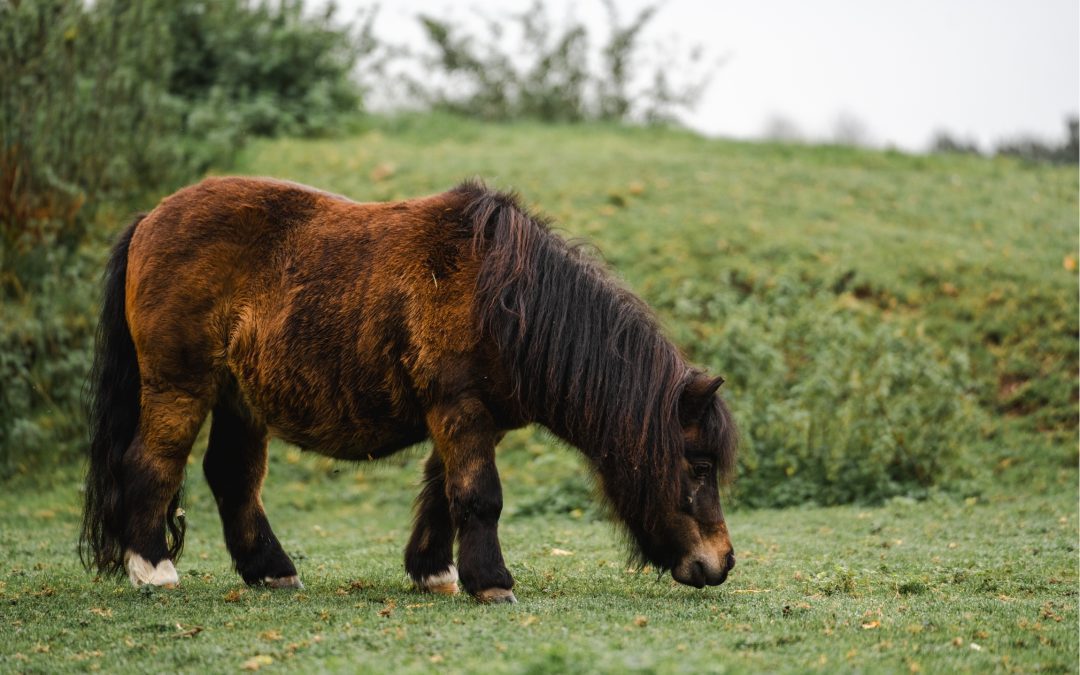
Spring grass is rich in sugars (non-structural carbohydrates), especially during sunny days followed by cool nights. While this lush forage is appealing and nutritious, it can quickly lead to excessive calorie intake. Horses that were maintained on controlled winter diets may suddenly find themselves consuming far more energy than they need.
This shift is particularly risky for:
Native breeds and ‘good doers’
Overweight horses and ponies
Horses prone to laminitis or metabolic conditions
Assessing Your Horse’s Condition
Before making any changes, evaluate your horse’s current body condition. Use a body condition scoring (BCS) system to assess fat coverage across key areas like the neck, ribs, and hindquarters. Ideally, most horses should fall in the moderate range – not too lean, not overweight.
Take photos or keep records regularly; gradual changes are easier to spot over time than day-to-day differences.
Controlling Grass Intake
Managing pasture access is one of the most effective ways to control weight in spring:
- Limit turnout time: start with a few hours per day and gradually increase if appropriate.
- Use a grazing muzzle: these can significantly reduce grass intake while still allowing turnout and movement.
- Strip grazing or track systems: restrict access to smaller sections of pasture to prevent overconsumption.
Turning horses out early in the morning (when sugar levels are often lower) may also help, though conditions vary depending on weather.
Adjusting the Diet
If your horse is gaining weight, review their full diet:
- Reduce or eliminate high calorie concentrates unless required for workload.
- Provide low-calorie forage like soaked hay if additional fibre is required.
- Avoid feeding based on habit – feed according to actual energy requirements.
Encouraging Exercise
Spring is a great time to increase activity levels. Regularly exercise not only helps manage weight but also improves muscle tone, cardiovascular health, and mental wellbeing.
Aim for a consistent routine suited to your horse’s fitness level, such as:
- Hacking
- Schooling sessions
- Lunging or groundwork
Even light work can make a meaningful difference when done regularly.
Monitoring for Health Risks
Weight gain in spring isn’t just a cosmetic issue – it can lead to serious conditions such as laminitis. Watch for warning signs like reluctance to move, heat in the hooves and a strong digital pulse. If you have concerns, speak to your vet as soon as possible.
Final Thoughts
Spring should be an enjoyable time for both horses and owners, but it requires proactive management. By monitoring body condition, controlling grass intake, adjusting diet, and maintaining regularly exercise, you can help your horse stay healthy and comfortable throughout the season.
A little attention now can prevent major problems later – making spring a season of balance, not excess.
For more information, check out the following links:
Laminitis: https://www.purefeed.com/guides/laminitis-in-horses-essential-guide/
Equine Metabolic Syndrome: https://www.purefeed.com/guides/understanding-equine-metabolic-syndrome-a-complete-guide/
Cushings: https://www.purefeed.com/guides/cushings-horse-management-essential-tips/