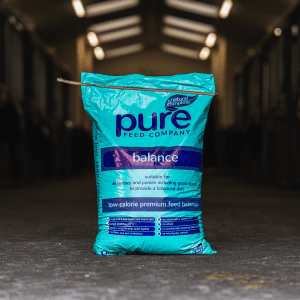
FEED ADVICE – HEALTH
Essential Guide to Allergies in Horses
Equine allergies are an increasingly recognised health issue that can significantly impact a horse’s quality of life. Allergies occur when the horse’s immune system reacts to normally harmless substances, known as allergens, leading to various symptoms ranging from mild itching to severe respiratory distress. Common allergens for horses include environmental factors such as dust, pollen, mould, and insects, as well as dietary components like certain grains or alfalfa. Understanding the causes, symptoms, and management strategies for equine allergies is crucial for maintaining your horse’s well-being.
Key Highlights

Equine allergies are a common health issue, affecting horses of all breeds and ages.

Diagnosis involves clincial evalutation, allergy testing and elimination diets.

Common allergens include dust, pollen, mould, insects, and certain types of feed.
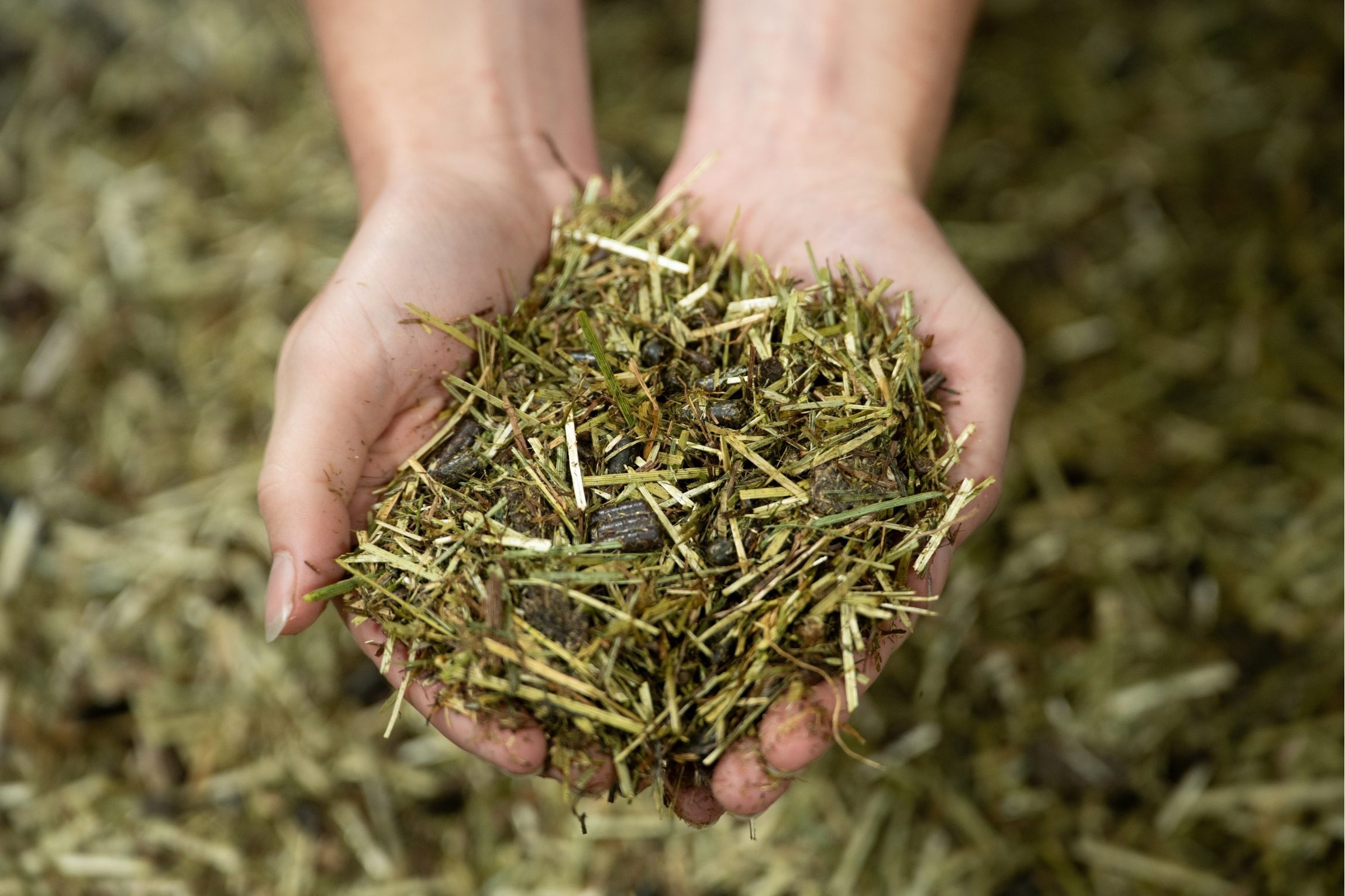
The Pure Feed mixes are alfalfa, soya and mould inhibitor free providing a dietary option for horses with allergies or intolerances.
Understanding Equine Allergies
Allergies in horses are hypersensitive immune responses to substances they encounter in their environment or diet. When a horse with allergies comes into contact with an allergen, its immune system produces antibodies, triggering an inflammatory response. This reaction can manifest in different ways, depending on the type of allergen and the individual horse’s sensitivity.
Equine allergies are typically categorised into three main types:
Respiratory Allergies
Often manifested as Recurrent Airway Obstruction (RAO), respiratory allergies are frequently caused by inhalation of allergens such as dust, mould spores, and pollen. The immune response leads to bronchoconstriction, increased mucus production, and airway inflammation, presenting clinically as coughing, nasal discharge, exercise intolerance, and laboured breathing.
Skin Allergies
Also known as atopic dermatitis, skin allergies including urticaria (hives), pruritus (itching), and dermatitis, may be triggered by direct contact with allergens, insect bites (e.g., Culicoides species causing sweet itch), or ingestion of allergenic feeds. The release of histamine and other inflammatory mediators from mast cells leads to skin irritation, hair loss, and in severe cases, self-trauma due to persistent scratching or rubbing.ingestion of certain allergens. Symptoms often include itching, hair loss, hives, and skin lesions.
Food Allergies or Intolerances
Dietary allergens such as alfalfa, soy, or specific grains can trigger gastrointestinal or systemic reactions. Symptoms may include colic, diarrhoea, chronic weight loss, or skin eruptions. Alfalfa is a notable allergen in horses, causing adverse reactions in a subset of the equine population.


Causes and Risk Factors of Equine Allergies
While the precise cause of equine allergies can vary, several risk factors have been identified:
Environmental Exposure
Horses exposed to high levels of airborne allergens like dust, pollen, and mould spores are at an increased risk of developing respiratory allergies. Inadequate stable ventilation, damp conditions, and poor-quality forage storage can exacerbate these issues.
Insect Hypersensitivity
Allergies to insect bites, particularly from Culicoides midges (sweet itch), are among the most common allergic conditions in horses. Insect saliva proteins trigger a type I hypersensitivity reaction, causing intense itching and dermatitis.
Dietary Components
Horses can develop food allergies or intolerances to specific ingredients in their feed, including alfalfa, grains, and certain protein sources. These reactions can lead to gastrointestinal distress, skin conditions, and systemic inflammation.
Genetic Predisposition
Certain breeds, such as Thoroughbreds, Warmbloods, and Arabians, show a higher incidence of allergies, suggesting a genetic component. Additionally, young horses and those with a history of previous allergic episodes may be more susceptible to developing new sensitivities.
Identifying Early Signs of Equine Allergies
Early detection of equine allergies is essential for effective management. Key signs to look out for include:
Respiratory Signs: coughing, nasal discharge, dyspnoea (difficulty breathing), and exercise intolerance are indicative of respiratory allergies like RAO.
Dermatologic Signs: Recurrent urticaria, pruritus, alopecia (hair loss), and dermatitis, particularly in areas exposed to insects or allergenic contact materials.
Gastrointestinal Signs: Symptoms such as diarrhoea, colic, or unexplained weight loss suggest food allergies or intolerances.
Behavioural Changes: Altered behaviour, such as irritability, lethargy, or reluctance to work, may be secondary to discomfort caused by allergic reactions.
If any of these signs are observed, it is important to consult a veterinarian for a thorough evaluation and appropriate diagnostic testing.

Diagnosing Equine Allergies
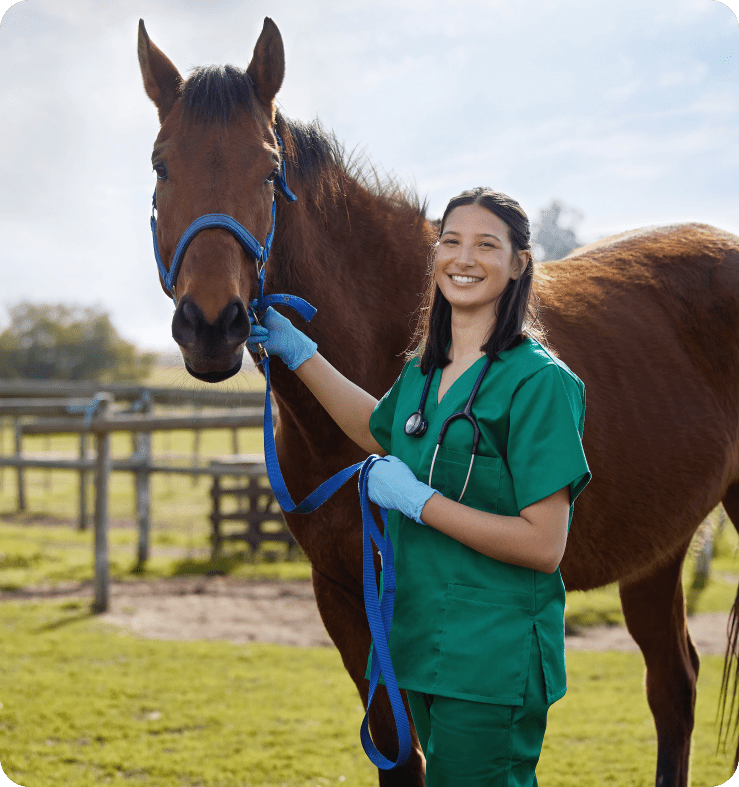
Diagnosing equine allergies can be challenging due to the variety of symptoms and potential allergens. A comprehensive approach is often necessary, including:

Clinical Examination
A comprehensive physical examination is conducted to assess signs of allergic disease, including respiratory, dermatologic, and gastrointestinal symptoms.v

Allergy Testing
Serum testing or intradermal skin testing may be performed to identify specific allergens. These tests measure the horse’s immunoglobulin E (IgE) response to various environmental and dietary antigens.

Elimination Diets
For suspected food allergies, an elimination diet may be used to identify problematic ingredients. This involves feeding a simplified diet free of potential allergens and gradually reintroducing components to pinpoint the allergen.
Managing Equine Allergies
Effective management of equine allergies involves reducing exposure to allergens and providing supportive care:
Environmental Management: Minimise exposure to dust, mould, and pollen by maintaining good stable hygiene, using dust-free bedding, and providing adequate ventilation. For horses with insect allergies, consider stabling them during peak insect activity and using fly sheets, masks, and insect repellents.
Dietary Adjustments: Feeding an allergen-free diet is crucial for horses with food allergies. The Pure Feed range offers alfalfa-free formulations that reduce the risk of allergic reactions while providing balanced nutrition.
Medical Treatment: Anti-inflammatory medications, such as corticosteroids or antihistamines, may be prescribed to alleviate symptoms. In severe cases, immunotherapy (allergy shots) may be recommended to desensitise the horse to specific allergens.
Regular Monitoring and Supportive Care: Ongoing monitoring of the horse’s condition is essential to manage allergies effectively. Regular veterinary check-ups, along with close observation of symptoms, can help adjust management strategies as needed.


Preventing Equine Allergies
While some allergies may not be entirely preventable, several strategies can help reduce the risk:
Maintain a Clean Environment: Regularly clean and ventilate stables, minimise dust, and use low-dust bedding materials.
Use Fly Control Measures: Implement comprehensive fly control strategies to reduce exposure to biting insects.
Choose Alfalfa-Free Feeds: Select feeds that do not contain common allergens like alfalfa. The Pure Feed range offers a variety of alfalfa-free options to support horses with dietary sensitivities.
Conduct Allergy Testing: Early allergy testing can identify specific triggers and allow for prompt management.
Conclusion
Equine allergies are a multifaceted condition that requires careful management to ensure the well-being of affected horses. By understanding the causes, recognising early signs, and implementing effective management strategies, horse owners can help minimise the impact of allergies on their horses.
Recommended products to support horses with Allergies

You save

You save
You save

You save
You save

You save

You save

You save

You save

You save

Made in the UK
We are proud to say that all of our feeds are produced here in the UK

FREE Shipping
We offer FREE SHIPPING for all orders in the UK with 15 bags and over*

Sustainable
We are dedicated to playing our part in making the world more sustainable

100% Natural
We use high-quality ingredients and no unnecessary additives.
FAQs
Thousands of people love our feeds

Not too much, not too little – just right. 🐴
Pure Working sits perfectly in our Pure Feed range as a medium-calorie, medium-level feed, ideal for horses in regular work or those on box rest who need extra support gaining weight. Balanced, gut-friendly, and designed to keep your horse in top condition without overdoing it.

Not too much, not too little – just right. 🐴
Pure Working sits perfectly in our Pure Feed range as a medium-calorie, medium-level feed, ideal for horses in regular work or those on box rest who need extra support gaining weight. Balanced, gut-friendly, and designed to keep your horse in top condition without overdoing it.
Your feed board shouldn’t look like a chemistry lab 🧪
Yet here we are: tubs, balancers, 3 chaffs, multiple supplements… and still guessing if your horse is actually getting what they need.
With Pure Feed, it’s simple:
✅ One feed
✅ One scoop
✅ Everything your horse needs — perfectly balanced, every time
Less clutter, less guesswork.
🔗 Click the link in bio for our free diet plan tool to make feeding this easy.
Your feed board shouldn’t look like a chemistry lab 🧪
Yet here we are: tubs, balancers, 3 chaffs, multiple supplements… and still guessing if your horse is actually getting what they need.
With Pure Feed, it’s simple:
✅ One feed
✅ One scoop
✅ Everything your horse needs — perfectly balanced, every time
Less clutter, less guesswork.
🔗 Click the link in bio for our free diet plan tool to make feeding this easy.
Many horse owners focus on feed labels and see “<10% sugar + starch” and assume it’s automatically safe for any horse. But the truth is, percentage values alone don’t give the full picture. What really matters is the actual grams of sugar and starch a horse consumes per meal relative to their bodyweight.
Here’s an example:
Feed A: 10% sugar + starch, fed at 500g → 50g sugar + starch
Feed B: 10% sugar + starch, fed at 2kg → 200g sugar + starch
Even though both feeds have the same percentage, Feed B delivers four times more sugar and starch in one meal. That’s a huge difference for your horse’s digestion, energy levels, and risk of conditions like laminitis or colic.
Breaking feed into smaller, more frequent meals keeps sugar and starch intake lower at any one time, supporting stable energy levels and better digestive health. Nutritionists always calculate sugar and starch per kg of bodyweight per meal, not just per day, and consider the whole diet, including forage, treats, and grazing.
💡 Try calculating your horse’s sugar + starch intake this week
Many horse owners focus on feed labels and see “<10% sugar + starch” and assume it’s automatically safe for any horse. But the truth is, percentage values alone don’t give the full picture. What really matters is the actual grams of sugar and starch a horse consumes per meal relative to their bodyweight.
Here’s an example:
Feed A: 10% sugar + starch, fed at 500g → 50g sugar + starch
Feed B: 10% sugar + starch, fed at 2kg → 200g sugar + starch
Even though both feeds have the same percentage, Feed B delivers four times more sugar and starch in one meal. That’s a huge difference for your horse’s digestion, energy levels, and risk of conditions like laminitis or colic.
Breaking feed into smaller, more frequent meals keeps sugar and starch intake lower at any one time, supporting stable energy levels and better digestive health. Nutritionists always calculate sugar and starch per kg of bodyweight per meal, not just per day, and consider the whole diet, including forage, treats, and grazing.
💡 Try calculating your horse’s sugar + starch intake this week
At Pure Feed, we believe performance starts with the right nutrition. Jam is usually fuelled by Fibre Balance, but Meg choses to switch to our Pure Performance right before a big competition to make sure Jam has the energy she needs 💪
Want to learn how Pure Feed can make a difference to your horse’s routine ? Tap the link in our bio to take our free diet plan!
At Pure Feed, we believe performance starts with the right nutrition. Jam is usually fuelled by Fibre Balance, but Meg choses to switch to our Pure Performance right before a big competition to make sure Jam has the energy she needs 💪
Want to learn how Pure Feed can make a difference to your horse’s routine ? Tap the link in our bio to take our free diet plan!
Low-calorie feeding, science-backed 🧬
Managing condition doesn’t mean compromising nutrition. Our low-calorie complete range gives targeted, balanced nutrition while keeping calories controlled:
🔹 Pure Balance – High-spec balancer pellet for muscle, topline & metabolic health
🔹 Pure Fibre Balance – Balancer + fibre chaff for gut support & slow-release fibre
🔹 Pure Easy – Higher-energy, low calorie complete feed
💻 Take the guesswork out 👉 try our Free Diet Plan & get a tailored programme for your horse:
🔗 Link in bio
Low-calorie feeding, science-backed 🧬
Managing condition doesn’t mean compromising nutrition. Our low-calorie complete range gives targeted, balanced nutrition while keeping calories controlled:
🔹 Pure Balance – High-spec balancer pellet for muscle, topline & metabolic health
🔹 Pure Fibre Balance – Balancer + fibre chaff for gut support & slow-release fibre
🔹 Pure Easy – Higher-energy, low calorie complete feed
💻 Take the guesswork out 👉 try our Free Diet Plan & get a tailored programme for your horse:
🔗 Link in bio
With the event season starting soon, many horses’ work has started increasing, but have you thought about how your feeding can limit your horse’s performance? Here’s what to watch out for:
❌ Too much cereal → spikes blood sugar, increases excitability, and stresses digestion
❌ Too little fibre → reduces chewing time, gut motility, and microbiome health
❌ Imbalanced protein / amino acids → slows muscle repair and topline growth
✅ Science-backed feeding fixes:
• Balanced calories for energy without fizz
• Fibre to support gut health and slow-release energy
• Correct amino acids for muscle repair and strength
With the event season starting soon, many horses’ work has started increasing, but have you thought about how your feeding can limit your horse’s performance? Here’s what to watch out for:
❌ Too much cereal → spikes blood sugar, increases excitability, and stresses digestion
❌ Too little fibre → reduces chewing time, gut motility, and microbiome health
❌ Imbalanced protein / amino acids → slows muscle repair and topline growth
✅ Science-backed feeding fixes:
• Balanced calories for energy without fizz
• Fibre to support gut health and slow-release energy
• Correct amino acids for muscle repair and strength
We’re increasingly choosing less processed food for ourselves because we understand how additives can impact our digestive system and overall well-being. The same principle applies to our horses.
That’s why Pure Feed is mould inhibitor free.
Instead of relying on chemical preservatives, we prioritise ingredient quality, controlled storage, and specially produced porous bags to maintain freshness and nutritional integrity. This helps support the hindgut environment and avoids unnecessary exposure to additives that can disrupt the delicate balance of the equine microbiome.
👉 Switch to evidence-led feeding; discover the Pure Feed range now
We’re increasingly choosing less processed food for ourselves because we understand how additives can impact our digestive system and overall well-being. The same principle applies to our horses.
That’s why Pure Feed is mould inhibitor free.
Instead of relying on chemical preservatives, we prioritise ingredient quality, controlled storage, and specially produced porous bags to maintain freshness and nutritional integrity. This helps support the hindgut environment and avoids unnecessary exposure to additives that can disrupt the delicate balance of the equine microbiome.
👉 Switch to evidence-led feeding; discover the Pure Feed range now
Feeding your horse doesn’t have to be so confusing💡
A complete feed gives your horse everything they need in one scoop: gut-friendly fibre, energy, protein, vitamins & minerals, without the stress of juggling multiple buckets.
We have a complete feed for every horse:
✔ Good doers
✔ Poor doers
✔ Leisure or competition horses
✔ Sensitive or digestive-prone types
💬 Got a friend who overcomplicates feeding? Tag them!
Feeding your horse doesn’t have to be so confusing💡
A complete feed gives your horse everything they need in one scoop: gut-friendly fibre, energy, protein, vitamins & minerals, without the stress of juggling multiple buckets.
We have a complete feed for every horse:
✔ Good doers
✔ Poor doers
✔ Leisure or competition horses
✔ Sensitive or digestive-prone types
💬 Got a friend who overcomplicates feeding? Tag them!
Did you know that all of our complete feeds contain Vitamin A? 🧬
Essential for your horse’s health, vitamin A supports:
👀 Vision
🛡️ Immune system
✨ Skin, coat & mucous membranes
📈 Growth & reproduction
Even with good forage, intake can vary, our complete feeds provide consistent, bioavailable vitamin A every day.
💬 Questions about vitamins in your feed? Drop them below!
Did you know that all of our complete feeds contain Vitamin A? 🧬
Essential for your horse’s health, vitamin A supports:
👀 Vision
🛡️ Immune system
✨ Skin, coat & mucous membranes
📈 Growth & reproduction
Even with good forage, intake can vary, our complete feeds provide consistent, bioavailable vitamin A every day.
💬 Questions about vitamins in your feed? Drop them below!
Forget juggling powders, syrups, and electrolytes after every ride; Refuel makes recovery simple and effective in one complete feed.
Here’s what it does:
🔹 Replenishes electrolytes lost in sweat to support hydration and muscle function
🔹 Supports muscle repair with high-quality, digestible protein
🔹 Packed with antioxidants to reduce oxidative stress and speed recovery
Tap the link in bio to learn more about Refuel today!
Forget juggling powders, syrups, and electrolytes after every ride; Refuel makes recovery simple and effective in one complete feed.
Here’s what it does:
🔹 Replenishes electrolytes lost in sweat to support hydration and muscle function
🔹 Supports muscle repair with high-quality, digestible protein
🔹 Packed with antioxidants to reduce oxidative stress and speed recovery
Tap the link in bio to learn more about Refuel today!
🧬 Protein isn’t just protein 👉 it’s what builds muscle, improves topline & fuels recovery.
🔹Low levels of limiting amino acids like lysine, methionine & threonine can slow muscle repair
🔹 Highly digestible plant proteins fuel growth without overloading the gut
🔹 Optimised blends minimise metabolic stress and maximise efficiency
👉 Tap the link in bio to see how Pure Feed fuels performance at the molecular level 🐴💪
🧬 Protein isn’t just protein 👉 it’s what builds muscle, improves topline & fuels recovery.
🔹Low levels of limiting amino acids like lysine, methionine & threonine can slow muscle repair
🔹 Highly digestible plant proteins fuel growth without overloading the gut
🔹 Optimised blends minimise metabolic stress and maximise efficiency
👉 Tap the link in bio to see how Pure Feed fuels performance at the molecular level 🐴💪
BCS 101 with Meg & Jam 🐴💪 Watch as we give a quick body condition score check and show you how to keep your horse in tip top shape!
With @horseandcountrytv, we’re excited to help Meg reach the top 🏆
#thepurefeedcompany #purefeed #purefeeddietplan #equinenutrition
BCS 101 with Meg & Jam 🐴💪 Watch as we give a quick body condition score check and show you how to keep your horse in tip top shape!
With @horseandcountrytv, we’re excited to help Meg reach the top 🏆
#thepurefeedcompany #purefeed #purefeeddietplan #equinenutrition
🌾 Did you know our complete feeds contain grass chaff?
It’s not just there for bulk, it’s science-backed fibre that actively supports your horse’s digestive:
🧪 Digestible fibre (NDF) keeps the gut moving efficiently, supporting normal hindgut function.
🧬 Encourages chewing and saliva production, which helps buffer stomach acid and protect the stomach lining.
🦠 Fuels the hindgut microbiome, feeding beneficial bacteria for better fermentation and nutrient absorption.
Including grass chaff means your horse gets consistent, functional fibre every day, even when hay quality or availability varies.
🌾 Did you know our complete feeds contain grass chaff?
It’s not just there for bulk, it’s science-backed fibre that actively supports your horse’s digestive:
🧪 Digestible fibre (NDF) keeps the gut moving efficiently, supporting normal hindgut function.
🧬 Encourages chewing and saliva production, which helps buffer stomach acid and protect the stomach lining.
🦠 Fuels the hindgut microbiome, feeding beneficial bacteria for better fermentation and nutrient absorption.
Including grass chaff means your horse gets consistent, functional fibre every day, even when hay quality or availability varies.
Pure Condition Mix supports steady condition gain, using fibre and oil-based energy that fuels the body without over-exciting it.
🌱 Unmolassed sugar beet
Digestible fibre to help add condition and support the gut, no added sugar spikes.
🌰 Linseed
Supports muscle development, topline and coat condition with quality protein and oil.
💧 Rapeseed oil
Cool, calorie-dense energy to help increase condition efficiently.
⚖️ Non-fizz formula
Slow-release energy, ideal for horses that don’t cope with cereal-heavy feeds.
👉 Perfect for poor doers, horses needing topline support or those in hard work
Pure Condition Mix supports steady condition gain, using fibre and oil-based energy that fuels the body without over-exciting it.
🌱 Unmolassed sugar beet
Digestible fibre to help add condition and support the gut, no added sugar spikes.
🌰 Linseed
Supports muscle development, topline and coat condition with quality protein and oil.
💧 Rapeseed oil
Cool, calorie-dense energy to help increase condition efficiently.
⚖️ Non-fizz formula
Slow-release energy, ideal for horses that don’t cope with cereal-heavy feeds.
👉 Perfect for poor doers, horses needing topline support or those in hard work
What’s really happening inside your horse after exercise?
Work doesn’t just burn energy. It causes
👉 electrolyte loss through sweat
👉 oxidative stress in muscle cells
👉 micro-damage to muscle fibres that must be repaired
That’s why post-exercise recovery nutrition matters 👇
⚡ Electrolytes
Sweat removes sodium, potassium and chloride. Replacing them supports hydration, muscle contraction and nerve signalling; essential for proper recovery.
🧬 Antioxidants
Exercise increases free radicals. Antioxidants help neutralise these, supporting muscles and reducing post-work fatigue.
💪 Limiting amino acids
These are the critical building blocks for muscle repair. Without them, recovery and muscle adaptation are compromised, even if protein intake looks “adequate”.
What you feed after work influences how your horse feels tomorrow, next week and next season.
What’s really happening inside your horse after exercise?
Work doesn’t just burn energy. It causes
👉 electrolyte loss through sweat
👉 oxidative stress in muscle cells
👉 micro-damage to muscle fibres that must be repaired
That’s why post-exercise recovery nutrition matters 👇
⚡ Electrolytes
Sweat removes sodium, potassium and chloride. Replacing them supports hydration, muscle contraction and nerve signalling; essential for proper recovery.
🧬 Antioxidants
Exercise increases free radicals. Antioxidants help neutralise these, supporting muscles and reducing post-work fatigue.
💪 Limiting amino acids
These are the critical building blocks for muscle repair. Without them, recovery and muscle adaptation are compromised, even if protein intake looks “adequate”.
What you feed after work influences how your horse feels tomorrow, next week and next season.
Consistency = results.
Pure Feed complete feeds are built on the same foundation; Pure Balance + chaff + controlled energy, but tailored for every type of horse.
✅ Better digestion
✅ Steady, fibre-first energy
✅ Reliable results
No guesswork. No fillers. Just smart, simple feeding your horse will love.
🔗 Tap our bio to create your horse’s personalised diet plan today!
Consistency = results.
Pure Feed complete feeds are built on the same foundation; Pure Balance + chaff + controlled energy, but tailored for every type of horse.
✅ Better digestion
✅ Steady, fibre-first energy
✅ Reliable results
No guesswork. No fillers. Just smart, simple feeding your horse will love.
🔗 Tap our bio to create your horse’s personalised diet plan today!
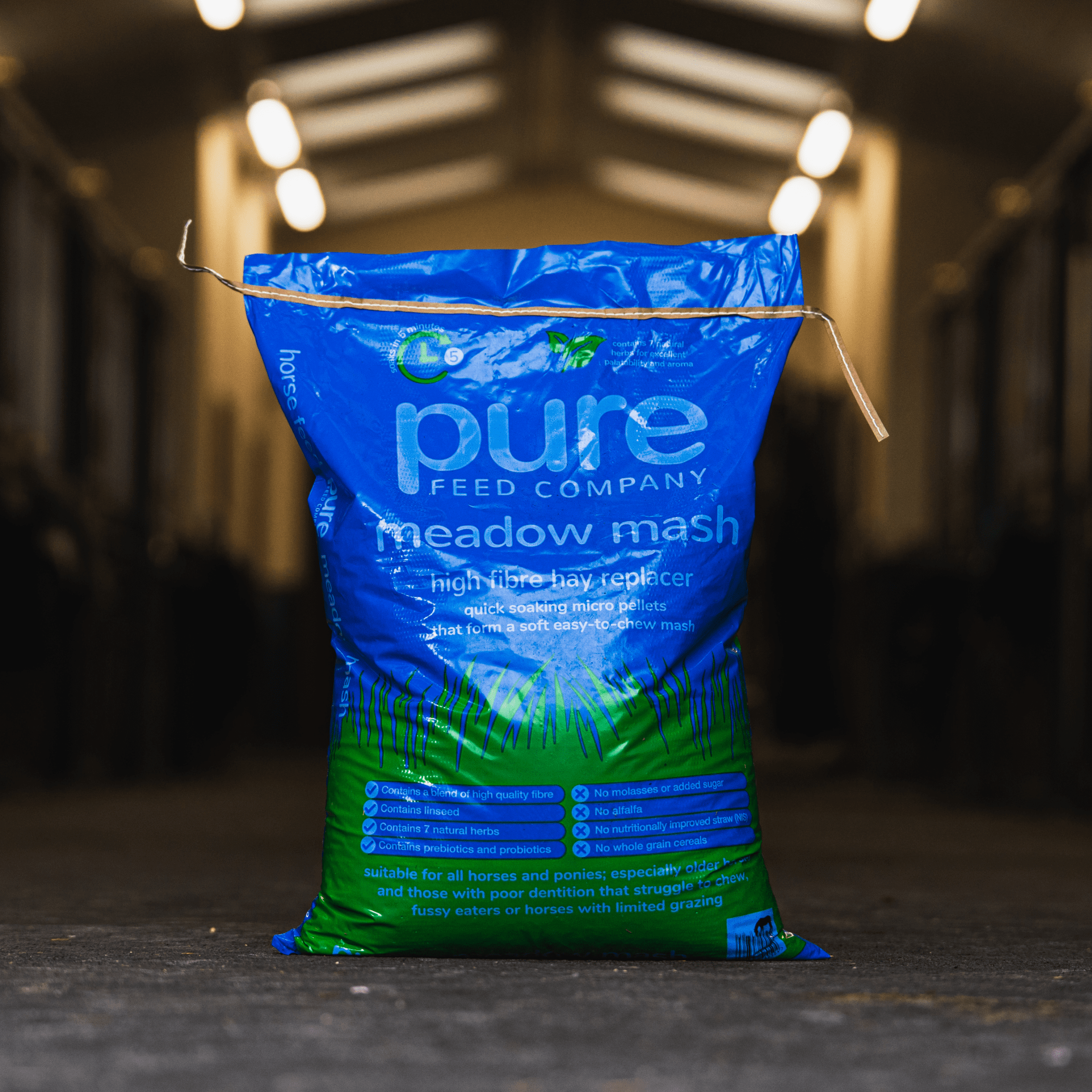
As horse owners, we know just how expensive it’s becoming to source good quality hay 🌾 When forage is limited (or costly!), Pure Meadow Mash helps keep fibre intake consistent, with no compromise.
It’s a high fibre hay replacer with a natural mint flavour, it’s easy to soak, high palatable and ideal for fussy eaters, veterans, poor doers or those on box rest.
Feed alongside or in place of hay to make every bale go further 🩵
As horse owners, we know just how expensive it’s becoming to source good quality hay 🌾 When forage is limited (or costly!), Pure Meadow Mash helps keep fibre intake consistent, with no compromise.
It’s a high fibre hay replacer with a natural mint flavour, it’s easy to soak, high palatable and ideal for fussy eaters, veterans, poor doers or those on box rest.
Feed alongside or in place of hay to make every bale go further 🩵
Just because it`s Winter, your horse still needs their salt! Even in the cold, horses lose electrolytes through sweat, urine, and natural body processes. Salt is essential for hydration, healthy muscles, and proper nerve function, all key to keeping your horse feeling strong, comfortable, and performing at their best.
That’s why all Pure Feed complete feeds include the right amount of salt – taking the guesswork out of winter feeding. Simple, balanced, and formulated to support your horse every day of the year 💡
Just because it`s Winter, your horse still needs their salt! Even in the cold, horses lose electrolytes through sweat, urine, and natural body processes. Salt is essential for hydration, healthy muscles, and proper nerve function, all key to keeping your horse feeling strong, comfortable, and performing at their best.
That’s why all Pure Feed complete feeds include the right amount of salt – taking the guesswork out of winter feeding. Simple, balanced, and formulated to support your horse every day of the year 💡
What people say about Pure Feed