

FEED ADVICE – HEALTH
Youngstock Nutrition: A Comprehensive Guide
Selecting the correct youngstock feed is critical to supporting controlled growth, skeletal integrity, and long-term soundness in foals and yearlings. Nutrition during early life directly influences bone density, muscle development, and metabolic programming, with imbalances increasing the risk of developmental orthopaedic disease (DOD), including physitis and osteochondrosis.
A scientifically balanced approach to youngstock feeds focuses on optimising nutrient intake without promoting excessive growth rates, ensuring steady development and reducing physiological stress on immature skeletal structures.
Key Highlights
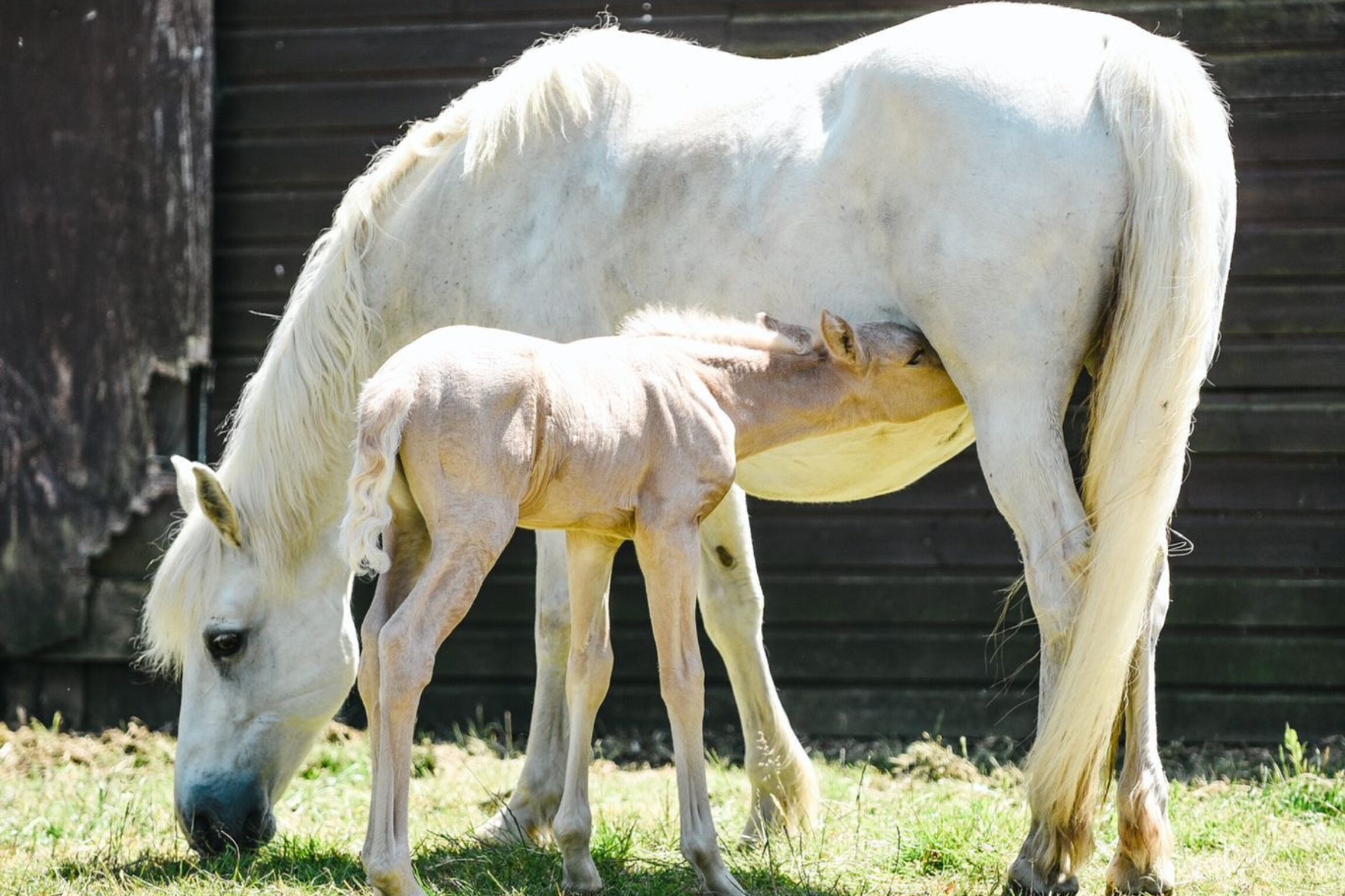
A youngstock is a young, growing horse, including foals, weanlings, and yearlings with elevated nutritional demands to support rapid and correct development
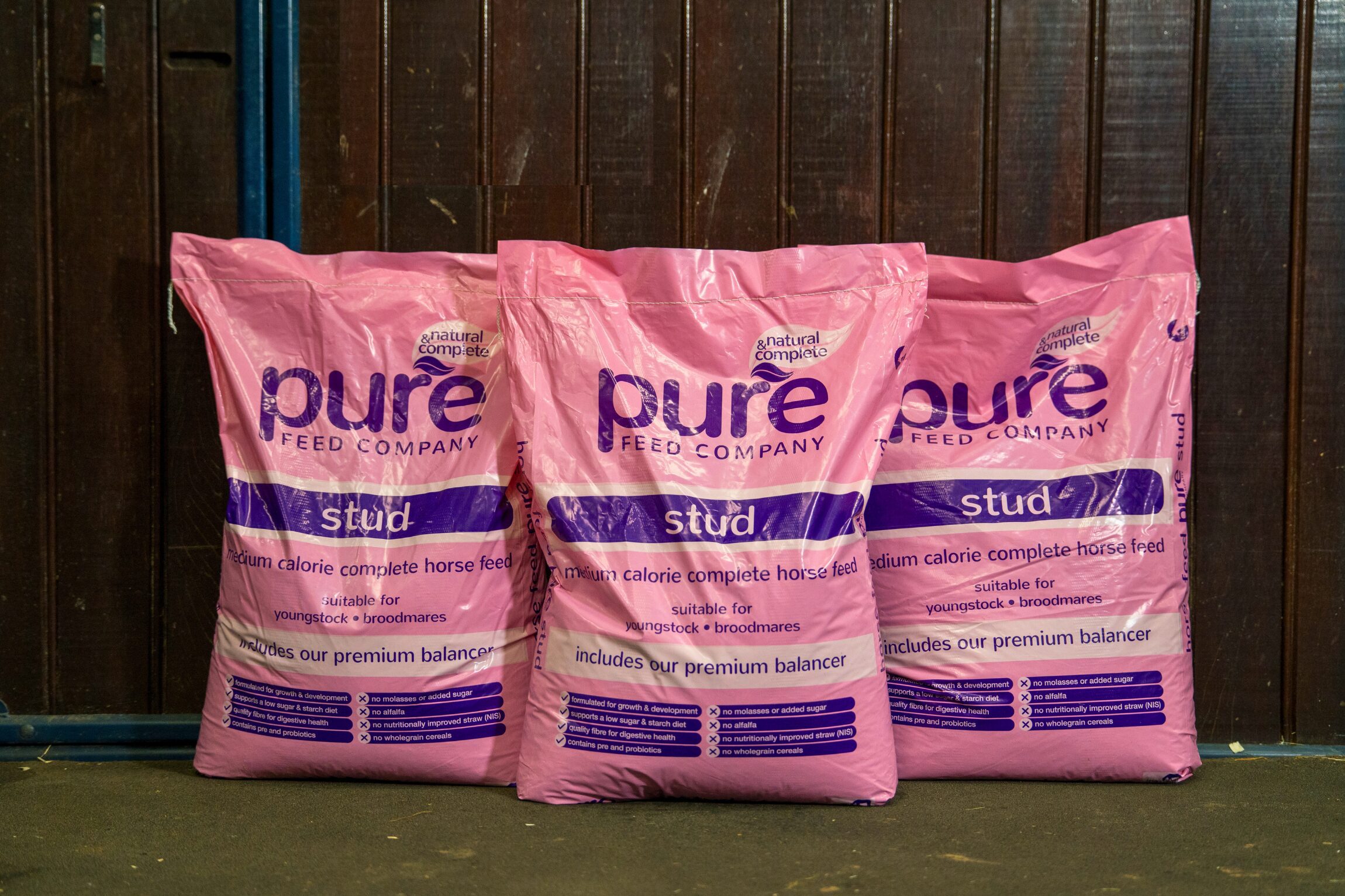
A youngstock feed is specifically formulated to meet these demands – providing controlled energy, high-quality protein, and balanced vitamins and minerals tailored to growth
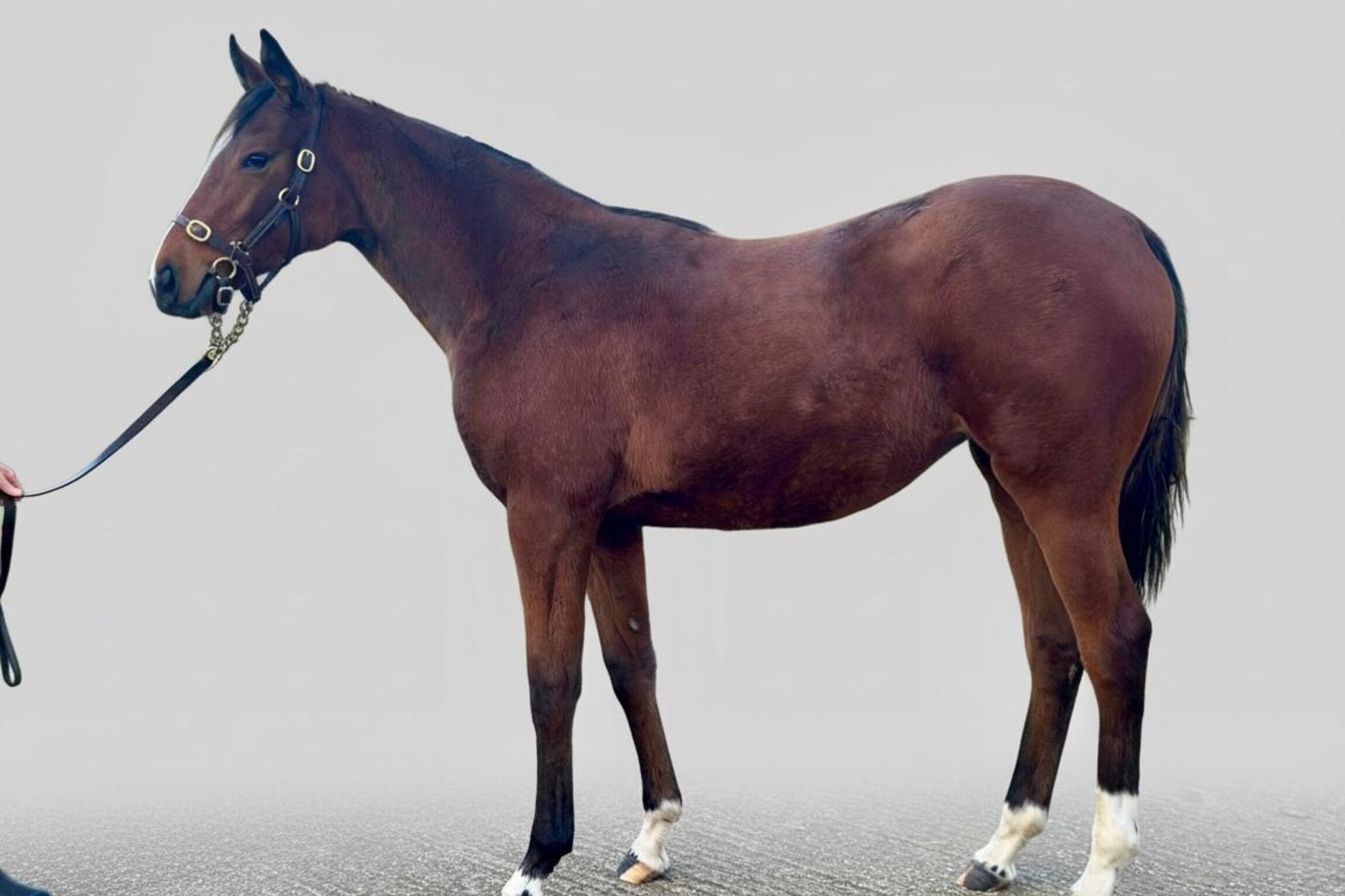
Key considerations for youngstock include managing growth rate, supplying bioavailable protein and essential amino acids, and maintaining correct calcium: phosphorus ratios alongside key trace minerals
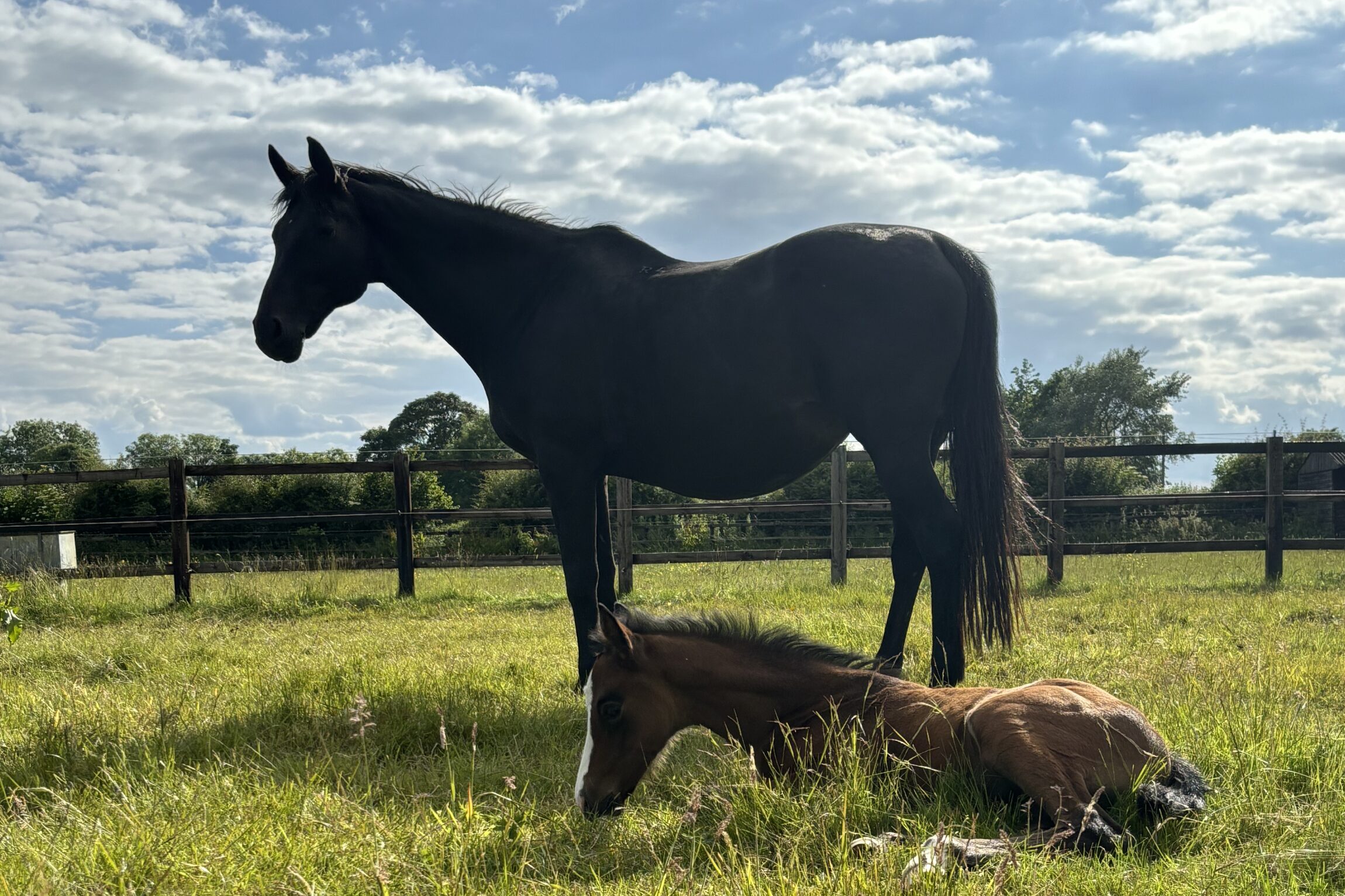
What Are Youngstock Feeds?
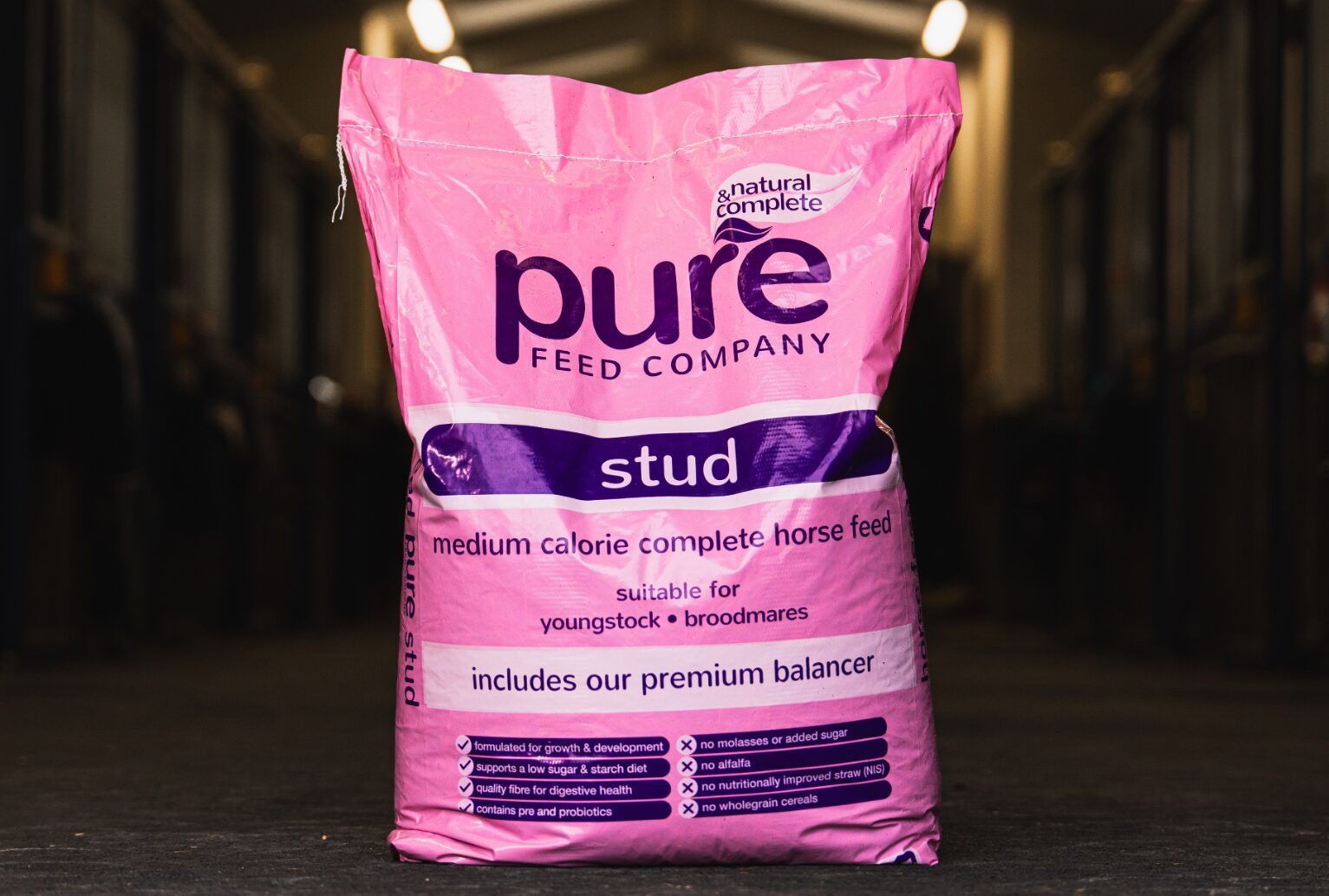
Youngstock or stud feeds are formulated to meet the precise nutritional requirements of growing horses, where demand for amino acids, minerals, and digestible energy differs significantly from that of mature horses.
Effective youngstock feeds must:
- Provide adequate but controlled digestible energy (DE)
- Deliver high-quality, bioavailable protein
- Maintain correct calcium: phosphorus ratios (typically 1.5–2:1)
- Supply essential trace minerals (copper, zinc, manganese) in bioavailable forms
- Support hindgut development and microbial stability
Nutritional Requirements of Growing Horses
Protein and Amino Acids
Protein quality is more critical than quantity in youngstock feeds. Lysine is the first limiting amino acid in equine diets and is essential for muscle protein synthesis and tissue development.
Deficiencies in lysine or overall protein quality can result in:
High-quality protein sources such as grass-based ingredients provide a more natural amino acid profile aligned with equine digestive physiology.
Pure Stud can contribute to youngstock diets by supplying quality protein alongside essential amino acids, supporting controlled growth and condition without excessive energy intake.
Energy Sources and Growth Regulation
Energy provision in youngstock feeds must be carefully controlled. Excessive digestible energy, particularly from high-starch and sugar sources, has been strongly associated with an increased incidence of DOD.
- Fibre (structural carbohydrates): Primary energy source, supporting hindgut fermentation and volatile fatty acid (VFA) production
- Fats: Provide energy density without increasing glycaemic response
- Starch and sugars (NSC): Should be minimised to avoid insulin spikes and altered cartilage development
Diets high in non-structural carbohydrates (NSC) can disrupt endochondral ossification, contributing to skeletal abnormalities. Therefore, youngstock feeds should prioritise low-starch, fibre-based energy systems.
Minerals and Skeletal Development
Correct mineral balance is fundamental in youngstock feeds, particularly for bone mineralisation and joint health.
Key considerations include:
Calcium & Phosphorus: Essential for bone formation; imbalances can impair skeletal development
Copper: Critical for collagen cross-linking and cartilage integrity; deficiency is linked to osteochondrosis
Zinc & Manganese: Support bone density and enzyme function
Oversupplementation or incorrect ratios can be just as detrimental as deficiencies, highlighting the importance of a balanced, formulated feed rather than ad hoc supplementation.
Digestive Development and Gut Health
In young horses, the hindgut microbiome is still maturing, making digestive stability a critical consideration when formulating youngstock feeds. A well-established microbial population is essential for fermenting fibre into volatile fatty acids (VFAs), which provide a steady source of energy and support overall metabolic health.
Fibre intake encourages microbial colonisation and stabilises fermentation, promoting gut maturation and preventing rapid fluctuations in pH that can lead to hindgut acidosis.
Prebiotics and probiotics help maintain a balanced microbial population, enhancing nutrient absorption, improving immune function, and reducing the risk of digestive disturbances during periods of growth or dietary transition.
Abrupt dietary changes or high-starch feeds can destabilise the hindgut environment, leading to dysbiosis, colic, diarrhoea, and inefficient nutrient utilisation, all of which can negatively impact growth and overall health.
Feeds within the Pure Feed Complete range are specifically designed to support digestive health during critical growth phases, incorporating pre- and probiotics alongside fibre-rich ingredients. This combination encourages stable microbial communities, enhances nutrient uptake, and helps youngstock achieve steady, healthy growth without compromising gut integrity.

Risks of High Sugar and Starch Diets in Youngstock
Feeding high levels of sugar and starch is one of the most significant nutritional risks for growing horses. Diets high in non-structural carbohydrates (NSC) can cause rapid spikes in blood glucose and post-prandial insulin, which not only affects metabolic stability but also interferes with normal cartilage and bone development. Excessive insulin and glucose can disrupt the endochondral ossification process, increasing the risk of developmental orthopaedic diseases (DOD) such as physitis and osteochondrosis. High-NSC diets can also contribute to digestive upset, including hindgut acidosis, and may promote excitability or behavioural issues due to rapid energy fluctuations.
Because of these risks, youngstock feeds should be carefully formulated with controlled starch and sugar levels, relying primarily on fibre and fats as the main energy sources. Fibre supports stable, slow-release energy through hindgut fermentation, while fats provide dense energy without the rapid glycaemic spikes associated with high-NSC feeds, helping to maintain steady growth, skeletal integrity, and a calm, healthy temperament.
Key Components of Youngstock Feeds
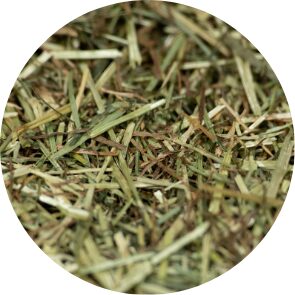
Grass chaff: Provides long fibre to support gut motility and microbiome development, essential for young horses’ digestion and nutrient absorption. Slow-fermenting fibre helps prevent colic and maintains a steady energy supply.
Vitamin E & Selenium: Crucial antioxidants that protect cells from oxidative damage during rapid growth. Selenium supports muscle function and immune health, while vitamin E works synergistically to maintain healthy tissues and immunity.
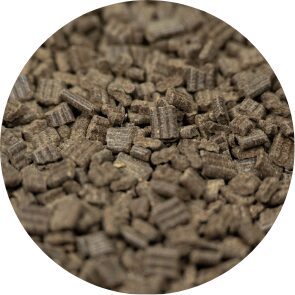
Linseed: A source of omega-3 fatty acids, which are essential for brain development, anti-inflammatory processes, and skin/coat health. Also contributes a modest amount of digestible energy.
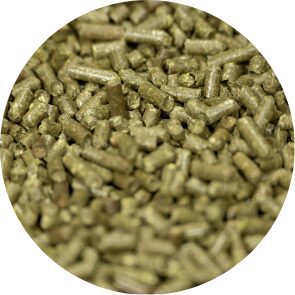
Grass Pellets: A concentrated fibre source that is palatable and easily digested, helping meet daily fibre requirements without excess bulk. Supports gut health and provides some slow-release energy for growth.
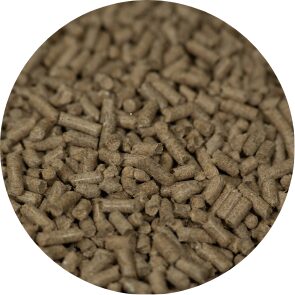
Balancers: Ensure youngstock receive all essential vitamins and minerals (calcium, phosphorus, trace elements) in the correct ratios, supporting bone growth, joint development, and metabolic functions.
Feeding Management Strategies for Youngstock
Promote steady growth rates: Avoid rapid weight gain or excessive condition
Prioritise fibre-based diets: Support gut health and metabolic stability
Minimise starch intake: Reduce risk of DOD and metabolic disruption
Use balanced feeds: Select youngstock feeds that provide integrated nutrition rather than relying on multiple supplements
Monitor body condition and development: Adjust feeding rates based on growth stage and workload
Conclusion
Feeding young horses requires a precise and scientifically informed approach. The correct youngstock feeds support controlled growth, skeletal integrity, and long-term soundness, while reducing the risk of developmental disorders associated with nutritional imbalances.
By prioritising fibre-based energy sources, high-quality protein, and correctly balanced minerals, breeders can ensure optimal development. Carefully formulated feeds such as Pure Stud and the Pure Feed Complete range provide a practical, all-in-one solution, delivering consistent nutrition while avoiding the risks associated with high sugar and starch diets.
Establishing correct nutrition during early life stages is one of the most important factors in producing healthy, resilient, and high-performing horses.
What we recommend for youngstock:


Made in the UK
We are proud to say that all of our feeds are produced here in the UK

FREE Shipping
We offer FREE SHIPPING for all orders in the UK with 15 bags and over*

Sustainable
We are dedicated to playing our part in making the world more sustainable

100% Natural
We use high-quality ingredients and no unnecessary additives.
Thousands of people love our feeds

What people say about Pure Feed