
FEED ADVICE – HEALTH
Colic in Horse: Understanding and Prevention Tips
Colic in horses is a term used to describe abdominal pain rather than a specific diagnosis. It can stem from various gastrointestinal conditions as well as other causes of abdominal pain not related to the gastrointestinal tract.
Key Highlights
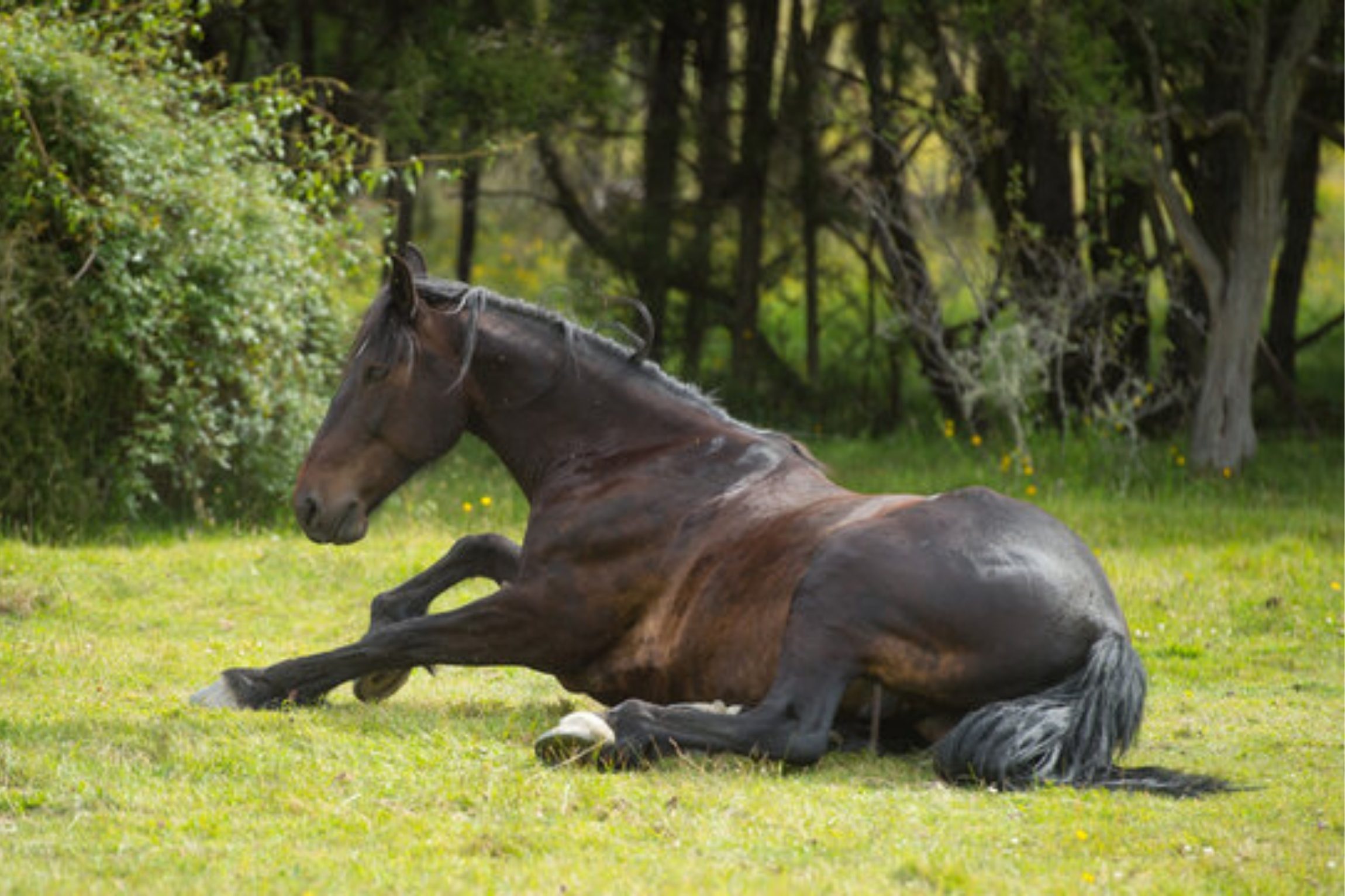
Colic in horses is defined as general abdominal pain and can encompass various different gastrointestinal conditions.
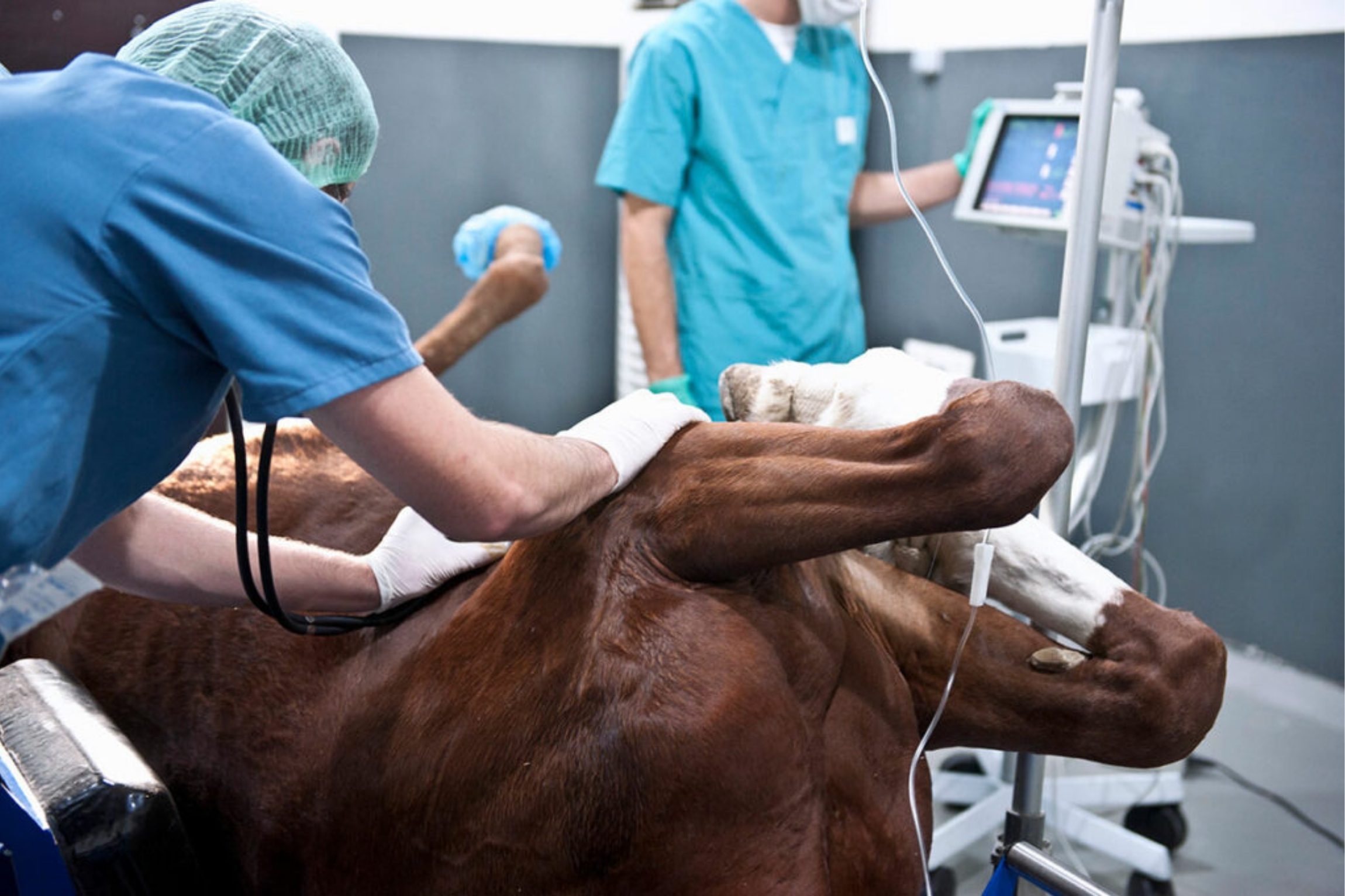
There are 6 defined types of colic which cover a broad spectrum of conditions.
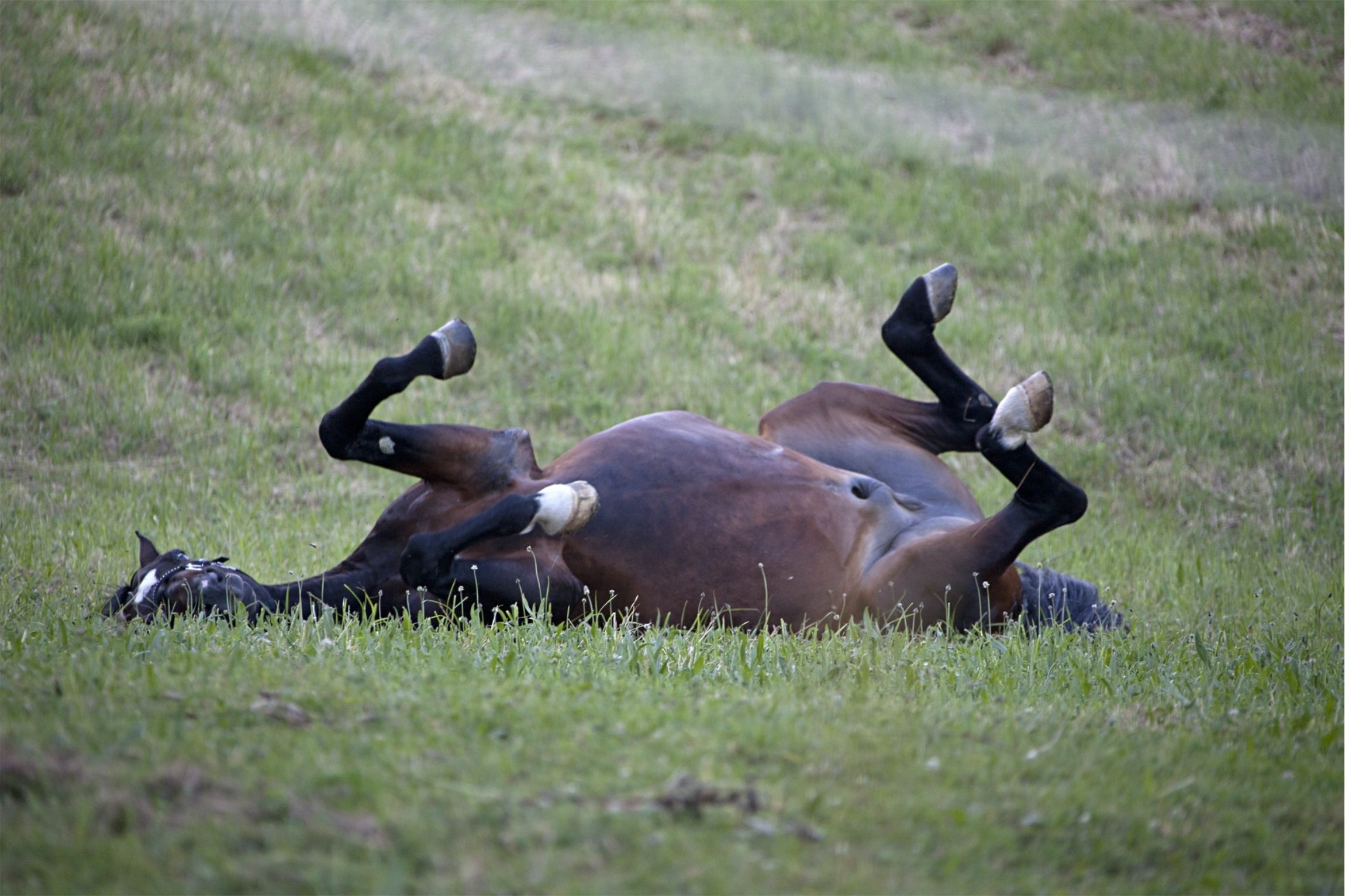
Common clinical signs include rolling, pawing, frequent glancing at the flank and an increased heart rate.
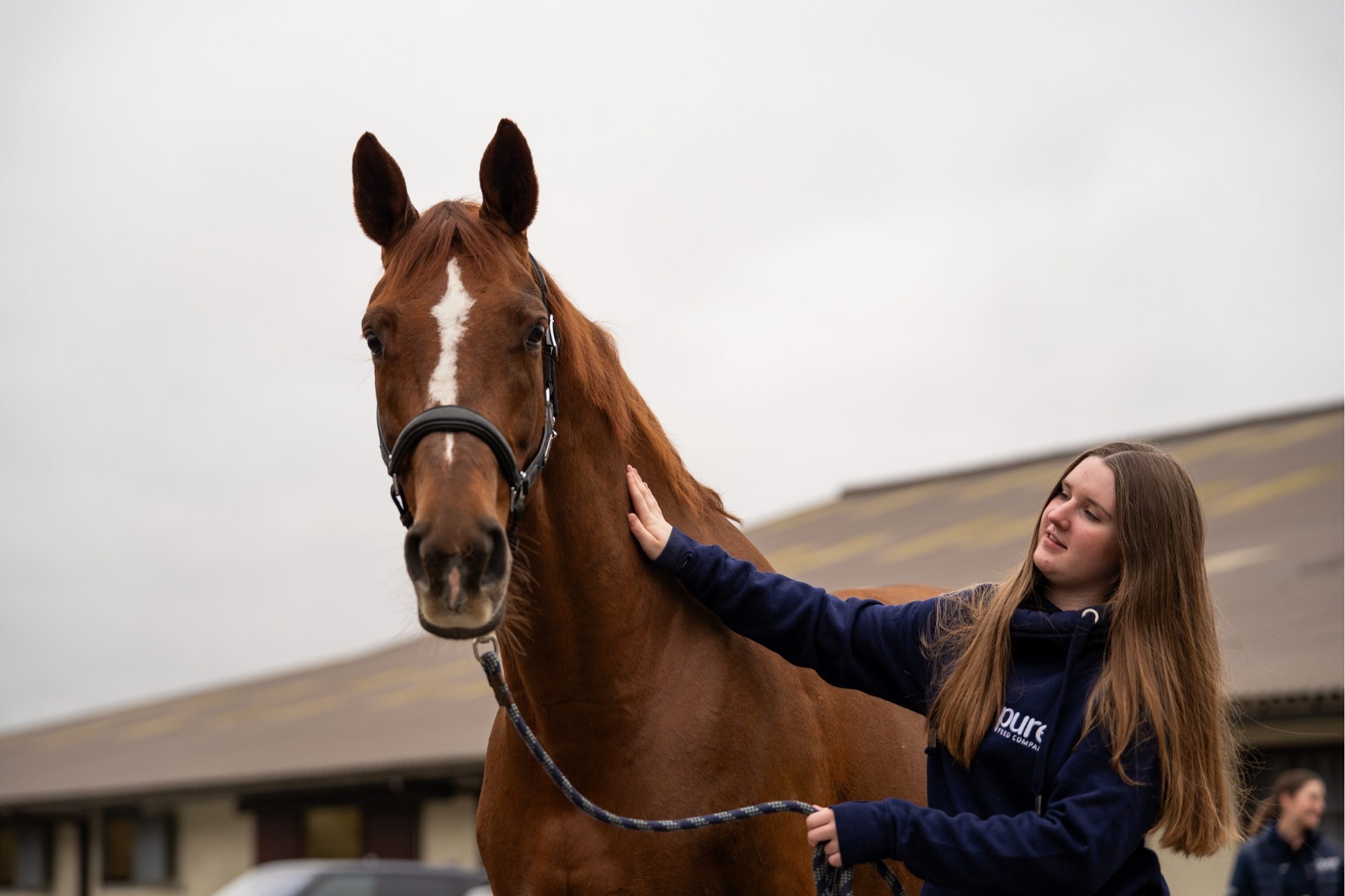
Rapid veterinary intervention is crucial, as colic can be fatal – early treatment can significantly improve the outcome and may prevent serious complications.
Understanding Colic
Colic in horses can stem from various causes, encompassing diet-related factors, stress, and environmental changes. Some of these factors include:
Dietary Factors: Rapid changes in type of feed or quantity, overconsumption of sugar, or feeding low-quality forage can disrupt the delicate balance of the digestive system, predisposing horses to colic.
Parasitic Infestation: Internal parasites, including tapeworms, pose a significant colic risk. Their presence can lead to inflammation, impaction, or obstruction of the intestines, contributing to colic episodes.
Grazing Management: Abrupt transitions from dry forage to lush pasture or inadequate turnout time can disrupt the horse’s digestive balance, leading to gastrointestinal upset and colic.
Stress and Environmental Factors: Horses are highly sensitive, and changes in routine, transportation, or confinement can induce stress, triggering colic symptoms. Additionally, environmental stressors such as extreme temperatures or social isolation can exacerbate the risk of colic.
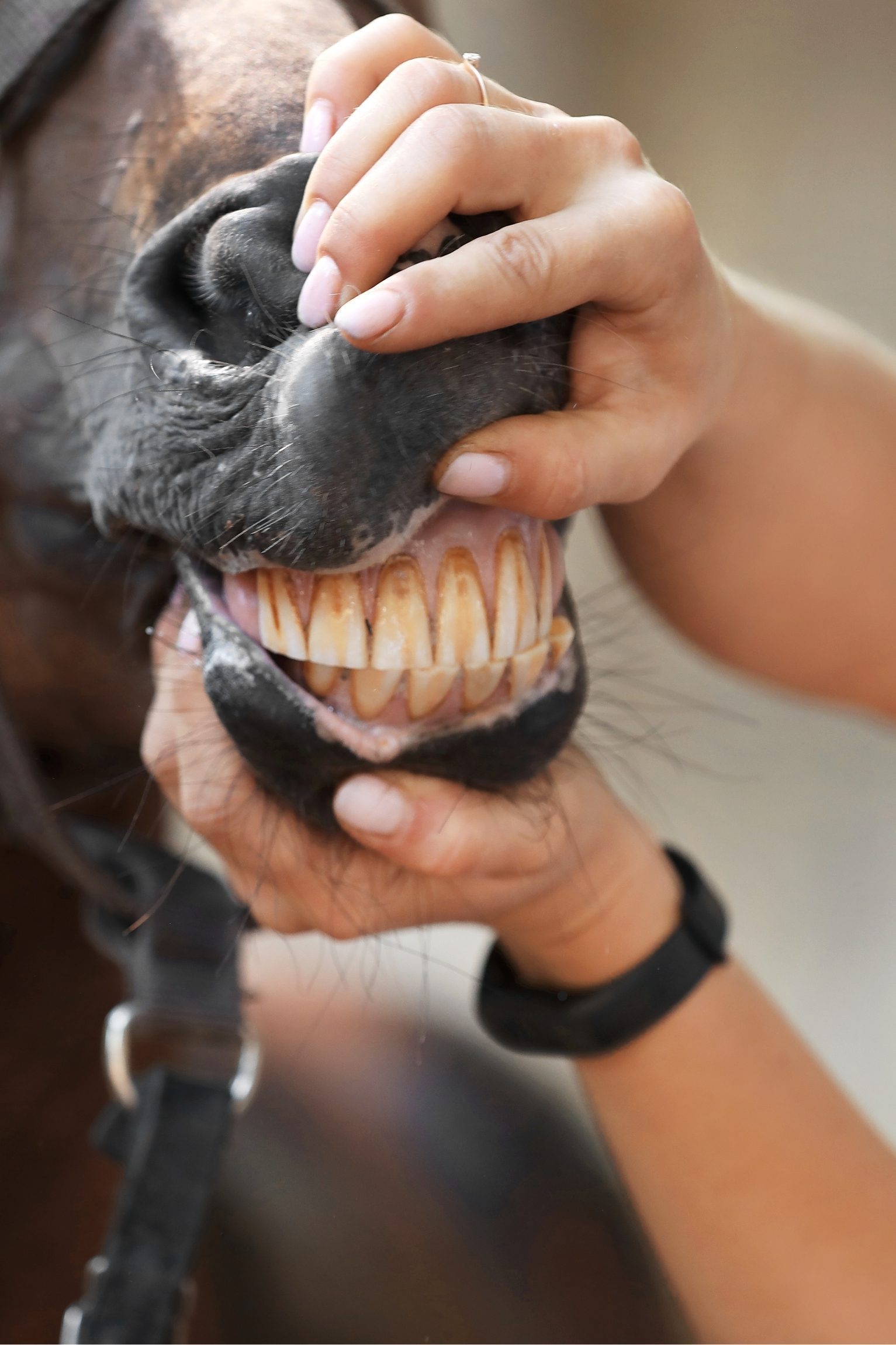
Dental Health: Proper dental care is paramount for effective digestion in horses. Dental abnormalities, such as sharp points or malocclusions, can impede chewing and hinder the breakdown of feed particles, predisposing horses to colic.
Hydration Status: Inadequate water intake or dehydration can impair gastrointestinal motility, leading to impactions or sluggish bowel movements, common culprits of colic.

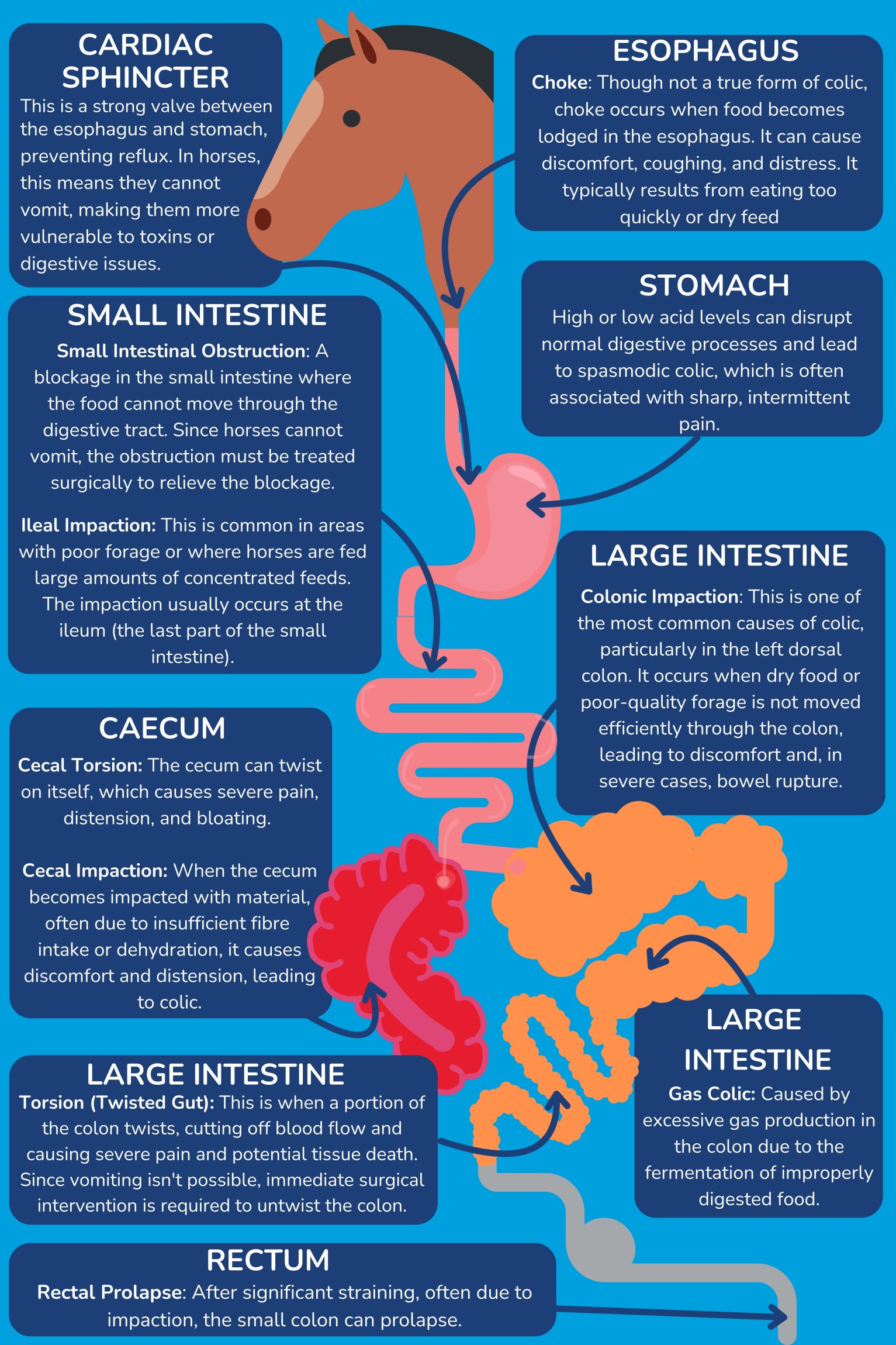
Types of Colic
There are 6 broad terms used to describe the different types of colic:
- Gas Colic: Characterised by the build-up of gas in the intestines, often due to fermentation of feed or sudden dietary changes. This accumulation causes distension and pain in the abdomen, typically manifesting as restlessness and discomfort in the affected horse.
- Impaction Colic: occurs when feed, sand, or other materials block the intestines, preventing normal passage. This blockage leads to severe abdominal pain, dehydration, and reduced appetite.
- Spasmodic Colic: caused by increased intestinal motility and muscle spasms, leading to intermittent and intense abdominal pain. It is often triggered by dietary changes, stress, or parasitic infections.
- Strangulation: occurs when the blood supply to a section of the intestine is cut off, often due to a twist or entrapment. This condition causes severe abdominal pain and rapid deterioration, necessitating emergency veterinary intervention and often surgery to prevent tissue death and further complications.
- Sand Colic: caused by the ingestion of sand or dirt, which accumulates in the horse’s intestines. This can lead to blockages, irritation, and inflammation, resulting in abdominal pain and discomfort.
- Displacement: occurs when a section of the intestine moves from its normal position, often causing a twist or blockage. This displacement can disrupt blood flow and digestion, leading to severe abdominal pain and requiring prompt veterinary intervention.
Recognising clinical signs of Colic
Behavioral changes and physical signs are crucial in recognising colic in horses.
Behavioural Changes:
Restlessness: The horse may appear anxious, pacing or unable to stand still.
Pawing: Repeatedly pawing at the ground is a common sign of discomfort.
Rolling: Horses with colic often roll to try and alleviate abdominal pain.
Sweating: Excessive sweating, particularly in the absence of exercise, is often a sign of distress.
Abdominal Stretching: The horse may stretch out as though trying to urinate, due to pain.
Lying Down and Standing Up: Repeatedly lying down and standing up can be a sign of discomfort and attempts to find relief.
Physical Changes:
Reduced or Absent Appetite: Horses with colic often refuse food or water due to pain.
Reduced or Absent Gut Sounds: A decrease or complete absence of gut sounds may indicate gut dysfunction.
Elevated Heart Rate: A heart rate above 48 beats per minute is a key indicator of colic-related distress.
Tachypnoea (Rapid Breathing): Breathing above 20 breaths per minute can signal pain or shock.
Temperature Changes: Normal body temperature ranges from 37.5°C to 38.5°C. A temperature drop below 37.0°C may indicate shock or severe colic.
Diagnosis of Colic
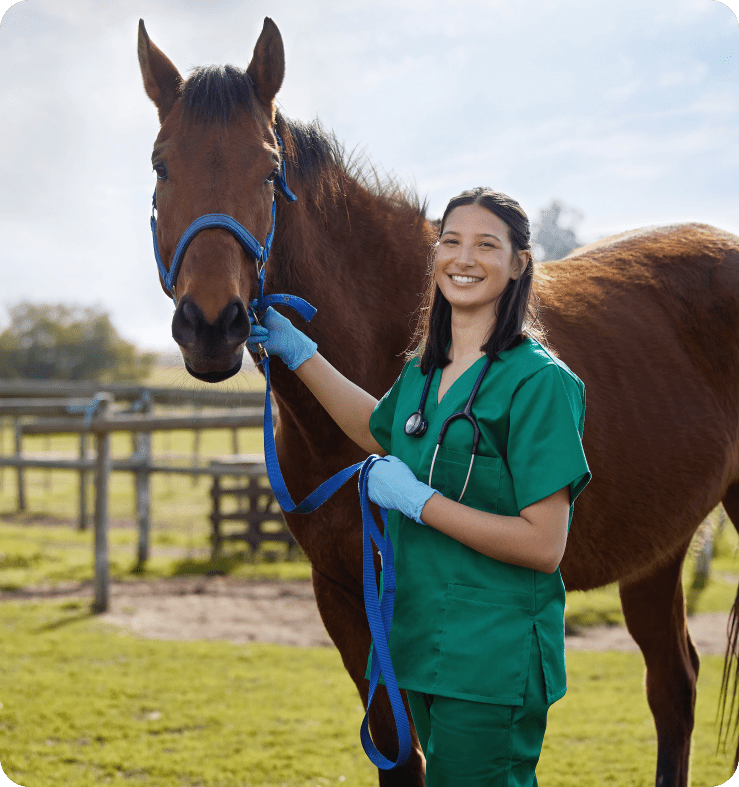
Diagnostic procedures for colic involve thorough examinations by vets. Early and accurate diagnosis is essential for providing the correct treatment swiftly.
1. Initial Examination Steps
During the initial examination of a colic horse, veterinarians focus on assessing vital signs such as heart rate and respiratory rate, as well as the hydration status and signs of abdominal pain.
- Heart Rate: An elevated heart rate (over 50 beats per minute) can indicate pain and stress. Severe colic often results in a heart rate exceeding 70 beats per minute.
- Respiratory Rate: An increased respiratory rate can accompany pain and stress.
- Mucous Membrane Colour: Checking the colour and moisture of the gums can provide clues about circulation and hydration. Pale or blue-tinged gums can indicate poor circulation or shock.
- Capillary Refill Time: Pressing on the gums and measuring the time it takes for colour to return helps assess blood flow and hydration status.
A rectal examination is often performed to assess the condition of the gastrointestinal tract. This involves a veterinarian manually examining the horse’s rectum. This can help identify specific types of colic, such as impaction, displacement, or twisted intestines.
2. Diagnostic Tools and Their Importance
Diagnostic tools play a crucial role in identifying the underlying causes of colic in horses. Technologies like ultrasound, endoscopy, and radiography aid veterinarians in assessing the severity and determining the most effective treatment plan. These tools provide detailed insights into the horse’s gastrointestinal tract, blood supply, and any abnormalities that may be contributing to the abdominal pain.
Nasogastric Intubation:
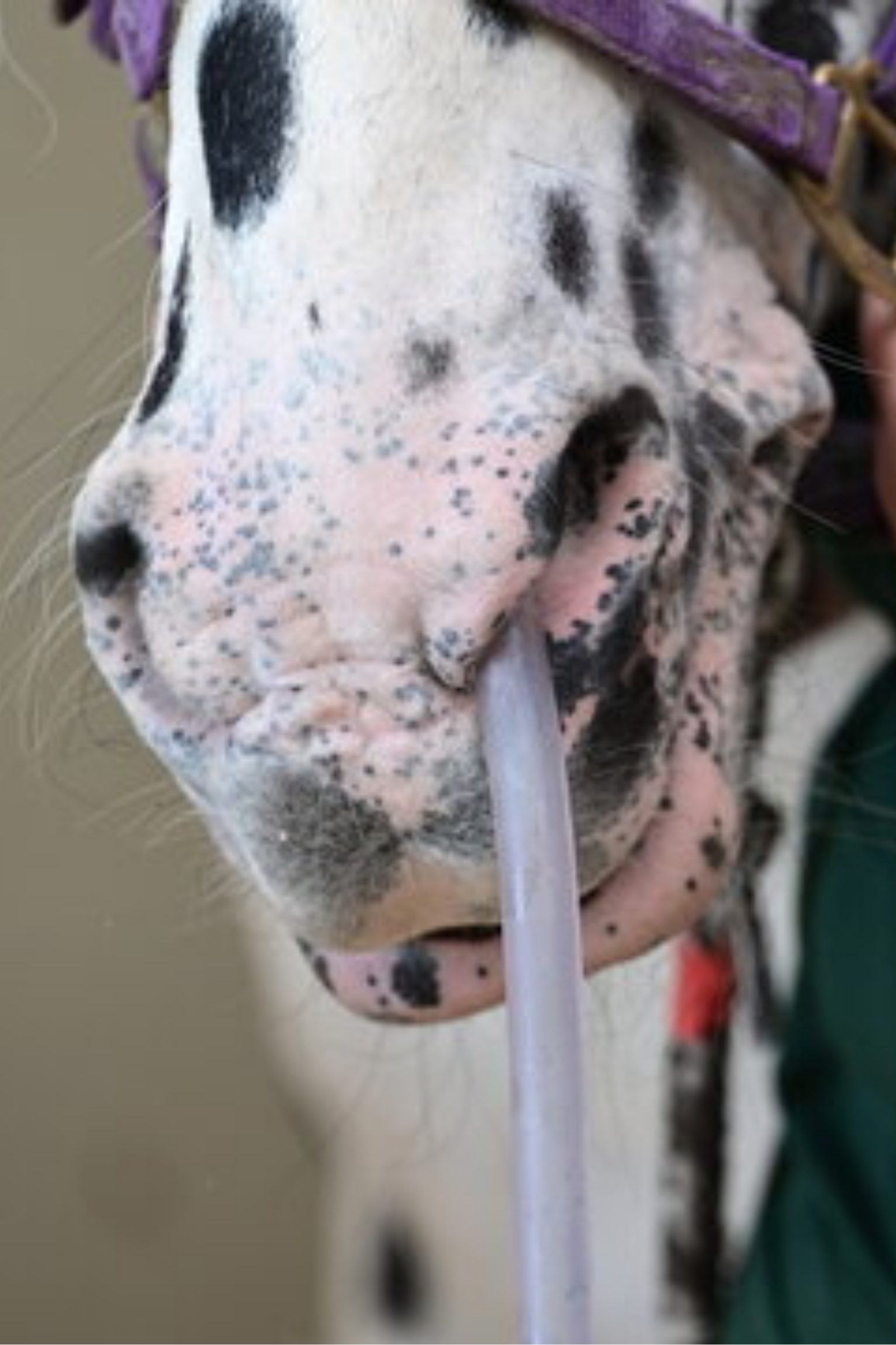
A tube is passed through the horse’s nose into the stomach to relieve built-up gas and fluid. The presence of reflux (large amounts of fluid) can indicate a blockage or severe motility issue in the intestines. This procedure also allows for the administration of medications directly into the stomach.
Ultrasound and Radiography:
Ultrasound: Non-invasive imaging to visualise the intestines, assess motility, and identify abnormalities such as displacements, blockages, or excessive fluid.
Radiography: X-rays can be particularly useful for diagnosing sand colic by showing the presence of sand or other foreign materials in the intestines.
Blood Tests:
Blood tests help evaluate the horse’s overall health and pinpoint specific issues.
Complete Blood Count (CBC): Assesses for signs of infection or inflammation.
Serum Chemistry: Evaluates organ function and electrolyte balance.
Lactate Levels: Elevated lactate levels can indicate poor blood flow to the intestines, a sign of severe or strangulating colic.
Prompt and accurate diagnosis is essential for effective treatment and can significantly impact the horse’s prognosis. Veterinary intervention should be sought at the first signs of colic to ensure the best possible outcome.
Treatment Options for Colic
The treatment for colic in horses depends on its severity and underlying cause. There are two main approaches: non-surgical management and surgical intervention.
Non-Surgical Management and Care
Non-surgical treatment focuses on pain relief, addressing dehydration, and managing the condition without surgery. The goal is to support the horse while avoiding invasive procedures when possible.
Fluid Therapy
Oral Fluids: Administered via a nasogastric tube to help rehydrate the horse and soften impactions.
Intravenous Fluids (IV): Used in severe cases to quickly correct dehydration and restore fluid balance.
Gastric Decompression
Repeated nasogastric intubation may be needed to relieve gas and fluid buildup in the stomach, particularly in cases of gas colic.
Controlled Walking
Helps stimulate intestinal motility and assists with the passage of gas or small impactions. However, excessive exercise should be avoided.
Dietary Management
Feed is temporarily withheld to allow the intestines to rest.
Small, easily digestible meals are gradually reintroduced as the horse shows improvement.
Medication Anti-Spasmodics: Drugs like Buscopan (hyoscine butylbromide) are used to relax intestinal spasms and relieve discomfort, particularly in cases of spasmodic colic.
Monitoring
Close observation of vital signs, such as heart rate, respiratory rate, and mucous membrane colour, is crucial to assess the horse’s response to treatment.
When Surgery Becomes a Necessity: What to Expect
If the horse does not improve with non-surgical management, or if it shows signs of severe distress, surgical intervention may be necessary. This could include:
Exploratory Abdominal Surgery: To investigate the cause of colic.
Intestinal Resection: Removing damaged sections of the intestine, if needed.
The primary surgical procedure is an exploratory laparotomy, where an incision is made into the abdomen to visually inspect the intestines. This allows veterinarians to identify the exact cause of colic, such as intestinal volvulus (twist), displacement, or strangulation. Depending on the findings, surgical corrections may include intestinal resection and anastomosis, where damaged portions of the intestine are removed and healthy ends reattached.
In cases of impaction, surgical decompression is necessary to relieve pressure and restore normal function. Surgical correction of intestinal strangulation is critical to untwist entrapped intestines and restore blood flow, preventing tissue death (necrosis) and further complications.
Post-surgical care involves intensive monitoring, pain management, fluid therapy, and careful reintroduction of food under veterinary supervision to ensure the horse’s recovery. Early detection and prompt surgical intervention significantly improve the chances of a successful outcome for horses suffering from colic.

Preventative Measures Against Colic
Implementing preventative measures is crucial for preventing colic episodes. Key strategies include maintaining a consistent and balanced diet to prevent digestive issues. Avoid sudden dietary changes and ensure access to clean cold water. Regular exercise can also aid in promoting healthy gut function. Routine veterinary check-ups and proper dental care are essential. Additionally, controlling environmental factors such as stress and ensuring a suitable living environment can minimize the risk of colic.
Dietary Management and Feeding Practices
Implementing proper dietary management and feeding practices is crucial in preventing colic in horses. Key strategies include:
- Balanced Diets: Providing horses with well-balanced diets rich in high-quality forage, essential nutrients, and adequate fibre content promotes optimal gastrointestinal health and reduces the risk of digestive disturbances.
- Gradual Diet Transitions: Abrupt changes in feed composition or quantity should be avoided, as they can disrupt the delicate microbial ecosystem within the gut and predispose horses to colic – did you know that all Pure Feed’s complete feeds share the same core ingredients? This means you can switch between all of the complete feeds with no transition time without risking colic!
- Forage Management: Regular access to clean, quality forage supports proper digestion, maintains gut motility, and minimizes the risk of impaction colic.
- Supplements: using probiotics, prebiotics, and digestive enzymes can support gastrointestinal health, enhance nutrient absorption, and fortify the gut barrier function – did you know all of our complete feeds already contain pre and probiotics to make sure your horse’s digestive system is supported!
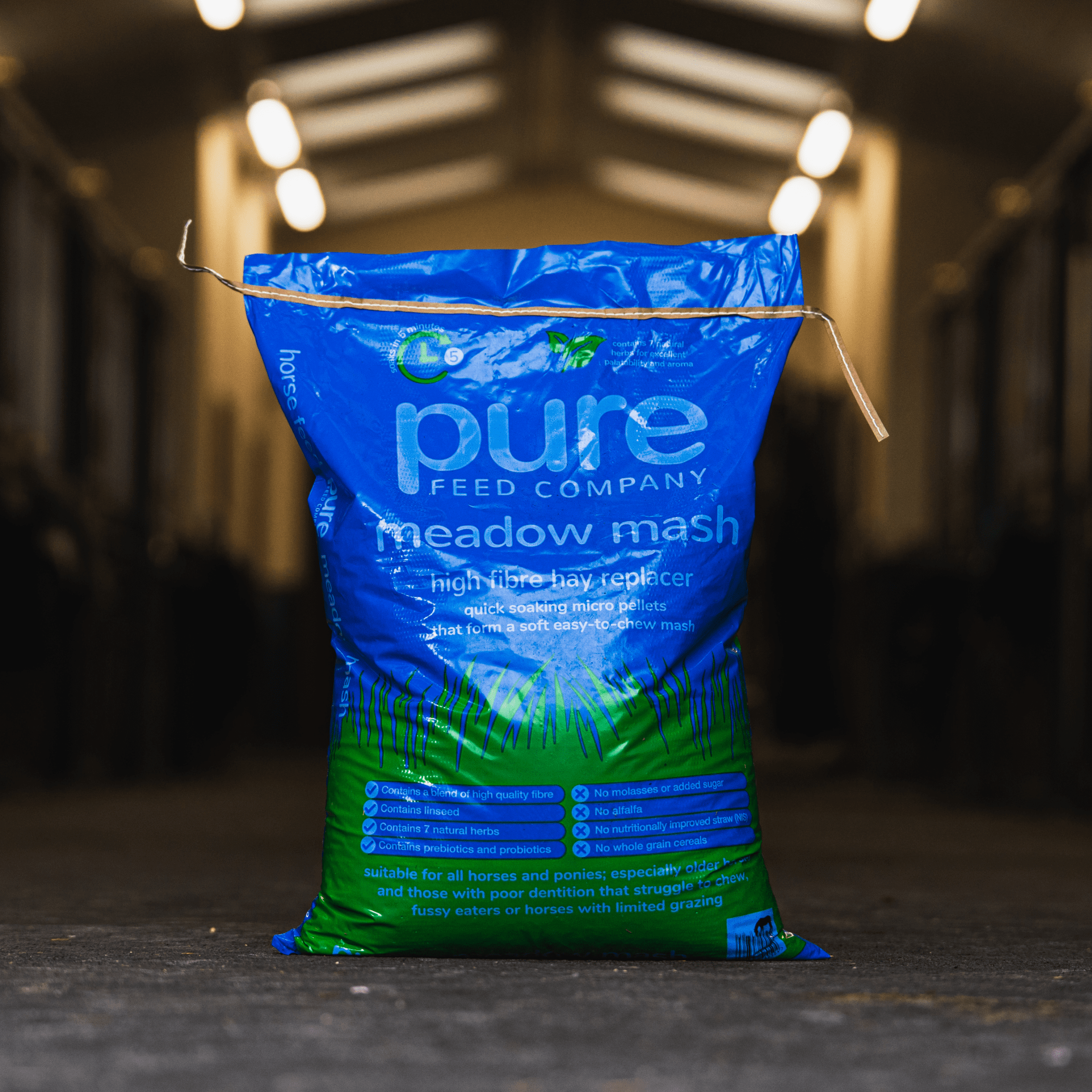
- Hydration Maintenance: Adequate water intake is essential for optimal digestive function and overall well-being. Monitoring water availability and quality ensures horses remain adequately hydrated, mitigating the risk of colic associated with dehydration – Check out our Meadow Mash or ReFuel if your horse needs help drinking!
Routine Health Care and Monitoring
Regular and routine healthcare and monitoring are essential components of effective horse management to prevent and promptly detect colic. Establishing and adhering to a consistent healthcare regimen, which includes regular dental check-ups, deworming schedules, and vaccinations, is crucial. Monitoring vital signs such as temperature, heart rate, and gut sounds on a regular basis facilitates early detection of colic. It’s important to be familiar with your horse’s baseline values to accurately assess any deviations.
Conclusion
In summary, colic poses a serious health risk to horses, demanding proactive care and attentive management from owners. Swift recognition of symptoms, immediate veterinary attention, and consistent preventive measures are crucial for preventing colic episodes. By being consistent with healthcare routines such as worming, ensuring balanced nutrition, and closely monitoring behaviour and vital signs, owners can effectively reduce the likelihood and severity of colic episodes, promoting the long-term health and happiness of their horses.
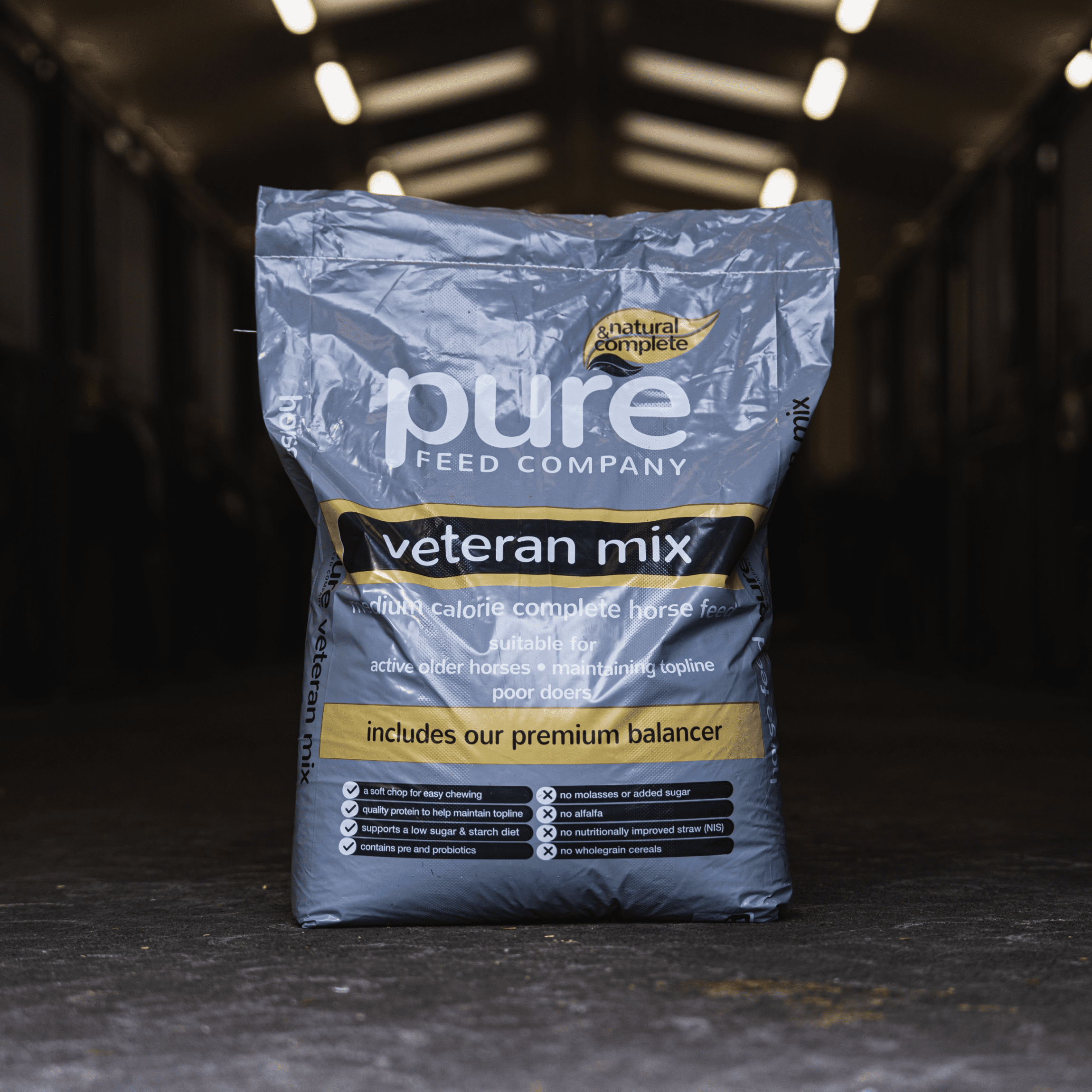
Featured products for horses prone to colic

You save

You save
You save

You save
You save

You save

You save

You save

You save

You save

Made in the UK
We are proud to say that all of our feeds are produced here in the UK

FREE Shipping
We offer FREE SHIPPING for all orders in the UK with 15 bags and over*

Sustainable
We are dedicated to playing our part in making the world more sustainable

100% Natural
We use high-quality ingredients and no unnecessary additives.
Thousands of people love our feeds

Myth: “Ulcers only affect racehorses or horses in heavy work.”
Fact: Gastric ulcers are very common, especially in performance horses. Studies show:
• Up to 80–100% of racehorses in training may have ulcers
• Around 40–60% of competition or performance horses
• Even some leisure horses are affected, around 30–40% in surveys
Ulcers often develop not just from workload, but from long gaps without forage, sudden diet changes, stress, and travel. Many horses show subtle signs rather than obvious discomfort, such as an inconsistent appetite, grumpiness, girth sensitivity, or changes in performance.
✨ Key takeaway: Ulcers are common, but not inevitable. Thoughtful feeding and management can reduce the risk and a support long-term normal gastric enviroment.
📩 If you’re unsure how to support your horse’s digestive health, our team can help build a feeding plan tailored to their needs


Myth: “Ulcers only affect racehorses or horses in heavy work.”
Fact: Gastric ulcers are very common, especially in performance horses. Studies show:
• Up to 80–100% of racehorses in training may have ulcers
• Around 40–60% of competition or performance horses
• Even some leisure horses are affected, around 30–40% in surveys
Ulcers often develop not just from workload, but from long gaps without forage, sudden diet changes, stress, and travel. Many horses show subtle signs rather than obvious discomfort, such as an inconsistent appetite, grumpiness, girth sensitivity, or changes in performance.
✨ Key takeaway: Ulcers are common, but not inevitable. Thoughtful feeding and management can reduce the risk and a support long-term normal gastric enviroment.
📩 If you’re unsure how to support your horse’s digestive health, our team can help build a feeding plan tailored to their needs
Power through every ride with Pure Working:
💙 Medium-calorie, naturally balanced feed designed for horses in regular work.
💙 Rapeseed oil and superfibres provide sustained energy
💙 High-quality protein and key amino acids support topline
💙 Pre- and probiotics promote a normal gut
💙 Biotin helps maintain strong hooves.
Want to see the difference Pure Working can make? Locate a stockist near you; 🔗 link in bio

Power through every ride with Pure Working:
💙 Medium-calorie, naturally balanced feed designed for horses in regular work.
💙 Rapeseed oil and superfibres provide sustained energy
💙 High-quality protein and key amino acids support topline
💙 Pre- and probiotics promote a normal gut
💙 Biotin helps maintain strong hooves.
Want to see the difference Pure Working can make? Locate a stockist near you; 🔗 link in bio
Horses don’t work at the same intensity every day, so why should their feed stay the same?
Every feed in the Pure Feed range is built on the same carefully selected ingredient base.
The difference? Energy and calorie level.
That means you can move up or down the range as workload changes, without changing ingredients, upsetting digestion, or starting again.
✔️ Same ingredients
✔️ Same micronutrition
✔️ Different levels to suit the day
From rest days to competition days, it’s one feed system that adapts to your horse’s week.
💡 Tap our bio for a personalised diet plan today!

Horses don’t work at the same intensity every day, so why should their feed stay the same?
Every feed in the Pure Feed range is built on the same carefully selected ingredient base.
The difference? Energy and calorie level.
That means you can move up or down the range as workload changes, without changing ingredients, upsetting digestion, or starting again.
✔️ Same ingredients
✔️ Same micronutrition
✔️ Different levels to suit the day
From rest days to competition days, it’s one feed system that adapts to your horse’s week.
💡 Tap our bio for a personalised diet plan today!
Some horses react when the girth is tightened, and it’s not just “being tricky.” The reason often comes down to stomach discomfort.
Horses produce stomach acid constantly, even when they’re not eating. Unlike humans, their stomachs aren’t designed to be empty for long periods. When a horse’s stomach is empty, or its gut is upset, the acid can irritate the stomach lining.
Tightening the girth puts pressure on the lower ribcage and stomach area, which can trigger discomfort or pain, causing the horse to squirm, nip at the girth, or resist being tacked up.
Supporting your horse with a fibre-rich diet, consistent feeding schedule, and careful tack fitting can help reduce this type of sensitivity, making tacking up a calmer, more comfortable experience.
💡 Have you noticed a difference when switching to Pure Feed? Let us know!

Some horses react when the girth is tightened, and it’s not just “being tricky.” The reason often comes down to stomach discomfort.
Horses produce stomach acid constantly, even when they’re not eating. Unlike humans, their stomachs aren’t designed to be empty for long periods. When a horse’s stomach is empty, or its gut is upset, the acid can irritate the stomach lining.
Tightening the girth puts pressure on the lower ribcage and stomach area, which can trigger discomfort or pain, causing the horse to squirm, nip at the girth, or resist being tacked up.
Supporting your horse with a fibre-rich diet, consistent feeding schedule, and careful tack fitting can help reduce this type of sensitivity, making tacking up a calmer, more comfortable experience.
💡 Have you noticed a difference when switching to Pure Feed? Let us know!
At Pure Feed, almost our entire complete feed range is cereal-free; from Pure Balance to Pure Condition Mix, giving you a low-starch, gut-friendly option✨
Only our Pure Performance contains cereals, as it`s designed for horses in heavy work who need extra energy.
Why does this matter? Because high-sugar, high-starch feeds can cause a whole host of problems:
🔥 Spikes in stomach acid → gut irritation
⚡ Fizzy, unpredictable behaviour
⚖ Weight gain or uneven condition
💥 Energy crashes mid-work
👉 Not sure where to start? Let our Pure Feed diet plan help you find the best feed for your horse’s gut

At Pure Feed, almost our entire complete feed range is cereal-free; from Pure Balance to Pure Condition Mix, giving you a low-starch, gut-friendly option✨
Only our Pure Performance contains cereals, as it`s designed for horses in heavy work who need extra energy.
Why does this matter? Because high-sugar, high-starch feeds can cause a whole host of problems:
🔥 Spikes in stomach acid → gut irritation
⚡ Fizzy, unpredictable behaviour
⚖ Weight gain or uneven condition
💥 Energy crashes mid-work
👉 Not sure where to start? Let our Pure Feed diet plan help you find the best feed for your horse’s gut
Riboflavin (B2) is your horse’s energy converter 👉 turning carbs, fats, and protein into fuel for work, growth, and recovery. It also supports:
• Skin, coat & hooves
• Tissue repair & cellular growth
• Antioxidant protection
Even if your horse looks fine, stress, work, travel, or seasonal changes can increase B2 requirements.
✅ The simple solution: Pure Feed complete feeds, formulated to deliver consistent B2 and other essential nutrients every day.
Take the guesswork out of feeding 👉 use our Pure Feed diet plan to make sure your horse is getting exactly what it needs to thrive. 🔗 Link in bio

Riboflavin (B2) is your horse’s energy converter 👉 turning carbs, fats, and protein into fuel for work, growth, and recovery. It also supports:
• Skin, coat & hooves
• Tissue repair & cellular growth
• Antioxidant protection
Even if your horse looks fine, stress, work, travel, or seasonal changes can increase B2 requirements.
✅ The simple solution: Pure Feed complete feeds, formulated to deliver consistent B2 and other essential nutrients every day.
Take the guesswork out of feeding 👉 use our Pure Feed diet plan to make sure your horse is getting exactly what it needs to thrive. 🔗 Link in bio
What do they say - never work with animals 🫣
It`s our fault, really, for making Refuel so delicious that Aimee`s stunning horse Joey couldn`t resist trying to steal a bite 🍒 😂

What do they say - never work with animals 🫣
It`s our fault, really, for making Refuel so delicious that Aimee`s stunning horse Joey couldn`t resist trying to steal a bite 🍒 😂
Good nutrition is about the details. 🐎
That’s why all of our complete feeds contain biotin as part of their carefully balanced formulation.
Pure Feed complete feeds are designed to provide horses with the vitamins, minerals and nutrients they need in one balanced ration, making feeding simple while supporting overall wellbeing.
Whether you’re feeding a good doer, a performance horse or a veteran, you can be confident they’re getting complete, balanced nutrition in every bag.
💬 Hands up if you love a feed that keeps things simple at feeding time.

Good nutrition is about the details. 🐎
That’s why all of our complete feeds contain biotin as part of their carefully balanced formulation.
Pure Feed complete feeds are designed to provide horses with the vitamins, minerals and nutrients they need in one balanced ration, making feeding simple while supporting overall wellbeing.
Whether you’re feeding a good doer, a performance horse or a veteran, you can be confident they’re getting complete, balanced nutrition in every bag.
💬 Hands up if you love a feed that keeps things simple at feeding time.
Do you feed before riding? 🥕
Even a small amount of Pure Feed forms a light layer of fibre in your horse’s stomach. The chaff encourages chewing, which produces saliva 👉 a natural buffer against stomach acid. This “fibre mat” helps shield the sensitive upper stomach lining from acid splash during exercise.
Just a small feed 30–60 minutes before your ride can make your horse more comfortable, focused, and ready to perform 🐴✨

Do you feed before riding? 🥕
Even a small amount of Pure Feed forms a light layer of fibre in your horse’s stomach. The chaff encourages chewing, which produces saliva 👉 a natural buffer against stomach acid. This “fibre mat” helps shield the sensitive upper stomach lining from acid splash during exercise.
Just a small feed 30–60 minutes before your ride can make your horse more comfortable, focused, and ready to perform 🐴✨
Do you have a good doer who gains weight just by looking at food, but could do with a little extra oomph in the saddle? 🐎✨
We might have the perfect solution! Combine two of our feeds:
Pure Balance – our low-calorie, high-spec balancer, fed at the full recommended serving.
Pure Performance – add just half a scoop when you ride or whenever extra energy is needed.
The result? Fast-release energy from Pure Performance to get your horse moving, without tipping the calorie balance, plus all the vitamins, minerals and extra goodness from Pure Balance to keep them feeling great inside and out!
🙌 Hands up who else has a good doer that gains weight just by looking at food?

Do you have a good doer who gains weight just by looking at food, but could do with a little extra oomph in the saddle? 🐎✨
We might have the perfect solution! Combine two of our feeds:
Pure Balance – our low-calorie, high-spec balancer, fed at the full recommended serving.
Pure Performance – add just half a scoop when you ride or whenever extra energy is needed.
The result? Fast-release energy from Pure Performance to get your horse moving, without tipping the calorie balance, plus all the vitamins, minerals and extra goodness from Pure Balance to keep them feeling great inside and out!
🙌 Hands up who else has a good doer that gains weight just by looking at food?
⚡ Does your horse need slow-release or fast-release energy? 🐎
Not all energy in horse feed behaves the same way, and it can make a big difference to how your horse feels and performs.
Feeds high in starch and sugar can provide quick-release energy. For some horses, that can mean extra sparkle you weren’t quite asking for.
Energy from fibre and oil, on the other hand, is released more slowly. That means steady stamina, better focus and controlled energy, ideal for horses in work without the unwanted fizz.
At Pure Feed, our complete feeds are built around fibre-based, slow-release energy, so you can fuel performance while helping keep your horse balanced and rideable.
💬 We’d love to know: Have you found certain feeds suit your horse better than others? Let us know below 👇
If you’re unsure what’s best for your horse, you can also get a free personalised recommendation using our online Diet Plan 💙

⚡ Does your horse need slow-release or fast-release energy? 🐎
Not all energy in horse feed behaves the same way, and it can make a big difference to how your horse feels and performs.
Feeds high in starch and sugar can provide quick-release energy. For some horses, that can mean extra sparkle you weren’t quite asking for.
Energy from fibre and oil, on the other hand, is released more slowly. That means steady stamina, better focus and controlled energy, ideal for horses in work without the unwanted fizz.
At Pure Feed, our complete feeds are built around fibre-based, slow-release energy, so you can fuel performance while helping keep your horse balanced and rideable.
💬 We’d love to know: Have you found certain feeds suit your horse better than others? Let us know below 👇
If you’re unsure what’s best for your horse, you can also get a free personalised recommendation using our online Diet Plan 💙
Your horse’s gut does a lot more than just “digest feed” ➡️ it’s responsible for nutrient absorption, immune support, behaviour, condition, performance… everything starts there.
The horse’s digestive system is designed for a near-constant intake of fibre, with fermentation in the hindgut supplying a significant proportion of their energy. When diets are high in starch or contain unnecessary additives, we can disrupt that delicate microbial balance and that’s when we start to see issues with condition, behaviour and consistency.
At Pure Feed, every formulation is built around supporting optimal digestive function. Our feeds are:
• Molasses free
• Cereal free (bar our Pure Performance)
• Alfalfa free
• Mould inhibitor free
Instead of relying on cereals for energy, we use highly digestible fibre sources and oil to provide slow-release energy that works in harmony with the hindgut. Each feed is fully balanced with vitamins and minerals, so you’re not layering multiple products on top.
The result? A more stable energy profile, efficient nutrient utilisation, and support for the microbiome. All from a feeding system designed to reflect how horses are meant to eat.
Every horse is different; let us build a diet plan that actually suits yours. Comment PLAN below to recieve a link to our diet plan service 🩵

Your horse’s gut does a lot more than just “digest feed” ➡️ it’s responsible for nutrient absorption, immune support, behaviour, condition, performance… everything starts there.
The horse’s digestive system is designed for a near-constant intake of fibre, with fermentation in the hindgut supplying a significant proportion of their energy. When diets are high in starch or contain unnecessary additives, we can disrupt that delicate microbial balance and that’s when we start to see issues with condition, behaviour and consistency.
At Pure Feed, every formulation is built around supporting optimal digestive function. Our feeds are:
• Molasses free
• Cereal free (bar our Pure Performance)
• Alfalfa free
• Mould inhibitor free
Instead of relying on cereals for energy, we use highly digestible fibre sources and oil to provide slow-release energy that works in harmony with the hindgut. Each feed is fully balanced with vitamins and minerals, so you’re not layering multiple products on top.
The result? A more stable energy profile, efficient nutrient utilisation, and support for the microbiome. All from a feeding system designed to reflect how horses are meant to eat.
Every horse is different; let us build a diet plan that actually suits yours. Comment PLAN below to recieve a link to our diet plan service 🩵
Not too much, not too little – just right. 🐴
Pure Working sits perfectly in our Pure Feed range as a medium-calorie, medium-level feed, ideal for horses in regular work or those on box rest who need extra support gaining weight. Balanced, gut-friendly, and designed to keep your horse in top condition without overdoing it.

Not too much, not too little – just right. 🐴
Pure Working sits perfectly in our Pure Feed range as a medium-calorie, medium-level feed, ideal for horses in regular work or those on box rest who need extra support gaining weight. Balanced, gut-friendly, and designed to keep your horse in top condition without overdoing it.
Your feed board shouldn’t look like a chemistry lab 🧪
Yet here we are: tubs, balancers, 3 chaffs, multiple supplements… and still guessing if your horse is actually getting what they need.
With Pure Feed, it’s simple:
✅ One feed
✅ One scoop
✅ Everything your horse needs — perfectly balanced, every time
Less clutter, less guesswork.
🔗 Click the link in bio for our free diet plan tool to make feeding this easy.

Your feed board shouldn’t look like a chemistry lab 🧪
Yet here we are: tubs, balancers, 3 chaffs, multiple supplements… and still guessing if your horse is actually getting what they need.
With Pure Feed, it’s simple:
✅ One feed
✅ One scoop
✅ Everything your horse needs — perfectly balanced, every time
Less clutter, less guesswork.
🔗 Click the link in bio for our free diet plan tool to make feeding this easy.
Many horse owners focus on feed labels and see “<10% sugar + starch” and assume it’s automatically safe for any horse. But the truth is, percentage values alone don’t give the full picture. What really matters is the actual grams of sugar and starch a horse consumes per meal relative to their bodyweight.
Here’s an example:
Feed A: 10% sugar + starch, fed at 500g → 50g sugar + starch
Feed B: 10% sugar + starch, fed at 2kg → 200g sugar + starch
Even though both feeds have the same percentage, Feed B delivers four times more sugar and starch in one meal. That’s a huge difference for your horse’s digestion, energy levels, and risk of conditions like laminitis or colic.
Breaking feed into smaller, more frequent meals keeps sugar and starch intake lower at any one time, supporting stable energy levels and better digestive health. Nutritionists always calculate sugar and starch per kg of bodyweight per meal, not just per day, and consider the whole diet, including forage, treats, and grazing.
💡 Try calculating your horse’s sugar + starch intake this week

Many horse owners focus on feed labels and see “<10% sugar + starch” and assume it’s automatically safe for any horse. But the truth is, percentage values alone don’t give the full picture. What really matters is the actual grams of sugar and starch a horse consumes per meal relative to their bodyweight.
Here’s an example:
Feed A: 10% sugar + starch, fed at 500g → 50g sugar + starch
Feed B: 10% sugar + starch, fed at 2kg → 200g sugar + starch
Even though both feeds have the same percentage, Feed B delivers four times more sugar and starch in one meal. That’s a huge difference for your horse’s digestion, energy levels, and risk of conditions like laminitis or colic.
Breaking feed into smaller, more frequent meals keeps sugar and starch intake lower at any one time, supporting stable energy levels and better digestive health. Nutritionists always calculate sugar and starch per kg of bodyweight per meal, not just per day, and consider the whole diet, including forage, treats, and grazing.
💡 Try calculating your horse’s sugar + starch intake this week
At Pure Feed, we believe performance starts with the right nutrition. Jam is usually fuelled by Fibre Balance, but Meg choses to switch to our Pure Performance right before a big competition to make sure Jam has the energy she needs 💪
Want to learn how Pure Feed can make a difference to your horse’s routine ? Tap the link in our bio to take our free diet plan!

At Pure Feed, we believe performance starts with the right nutrition. Jam is usually fuelled by Fibre Balance, but Meg choses to switch to our Pure Performance right before a big competition to make sure Jam has the energy she needs 💪
Want to learn how Pure Feed can make a difference to your horse’s routine ? Tap the link in our bio to take our free diet plan!
Low-calorie feeding, science-backed 🧬
Managing condition doesn’t mean compromising nutrition. Our low-calorie complete range gives targeted, balanced nutrition while keeping calories controlled:
🔹 Pure Balance – High-spec balancer pellet for muscle, topline & metabolic health
🔹 Pure Fibre Balance – Balancer + fibre chaff for gut support & slow-release fibre
🔹 Pure Easy – Higher-energy, low calorie complete feed
💻 Take the guesswork out 👉 try our Free Diet Plan & get a tailored programme for your horse:
🔗 Link in bio

Low-calorie feeding, science-backed 🧬
Managing condition doesn’t mean compromising nutrition. Our low-calorie complete range gives targeted, balanced nutrition while keeping calories controlled:
🔹 Pure Balance – High-spec balancer pellet for muscle, topline & metabolic health
🔹 Pure Fibre Balance – Balancer + fibre chaff for gut support & slow-release fibre
🔹 Pure Easy – Higher-energy, low calorie complete feed
💻 Take the guesswork out 👉 try our Free Diet Plan & get a tailored programme for your horse:
🔗 Link in bio
With the event season starting soon, many horses’ work has started increasing, but have you thought about how your feeding can limit your horse’s performance? Here’s what to watch out for:
❌ Too much cereal → spikes blood sugar, increases excitability, and stresses digestion
❌ Too little fibre → reduces chewing time, gut motility, and microbiome health
❌ Imbalanced protein / amino acids → slows muscle repair and topline growth
✅ Science-backed feeding fixes:
• Balanced calories for energy without fizz
• Fibre to support gut health and slow-release energy
• Correct amino acids for muscle repair and strength

With the event season starting soon, many horses’ work has started increasing, but have you thought about how your feeding can limit your horse’s performance? Here’s what to watch out for:
❌ Too much cereal → spikes blood sugar, increases excitability, and stresses digestion
❌ Too little fibre → reduces chewing time, gut motility, and microbiome health
❌ Imbalanced protein / amino acids → slows muscle repair and topline growth
✅ Science-backed feeding fixes:
• Balanced calories for energy without fizz
• Fibre to support gut health and slow-release energy
• Correct amino acids for muscle repair and strength
What people say about Pure Feed